Space News Mission Log — Satellite Launches, Orbital Events & Analysis
Daily space news, satellite launch reports, orbital debris analysis and weekly roundups — grounded in live tracking data from our network monitoring 17 published reports.
Exploring Messier 33: A Cosmic Spiral in Triangulum
Messier 33, the Triangulum Galaxy, is a face-on spiral galaxy 3 million light-years away, offering insights into cosmic distances.
The True Face of Andromeda: Unveiling Galactic Neighbours
Discover the Andromeda galaxy's authentic appearance, captured in a 2019 long exposure image, showcasing its natural beauty and imperfections.
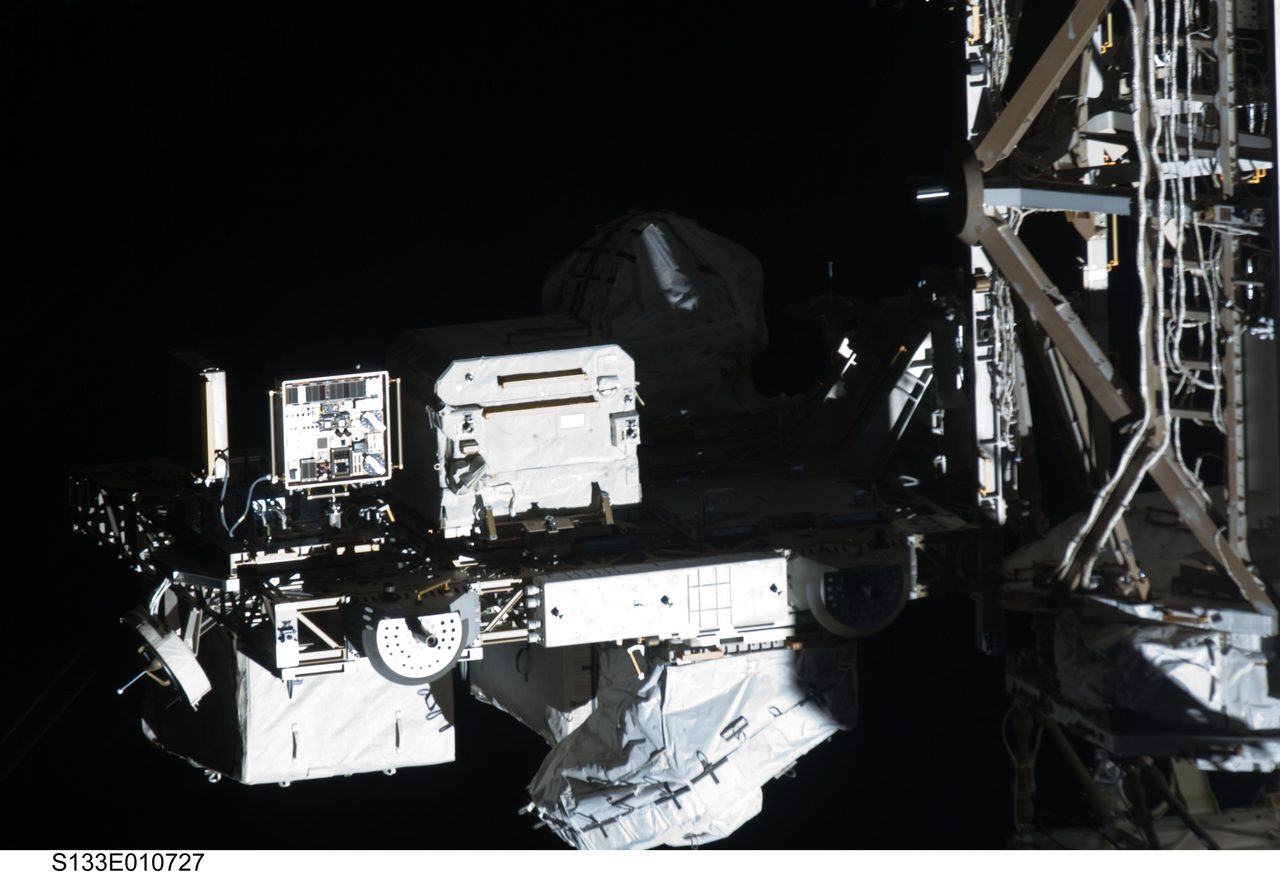
Moving Light in the Sky: How to Identify What You See
A steady moving light could be a satellite, but motion alone cannot identify it. Use its path, flashing, duration and a predicted pass to narrow down what you saw.
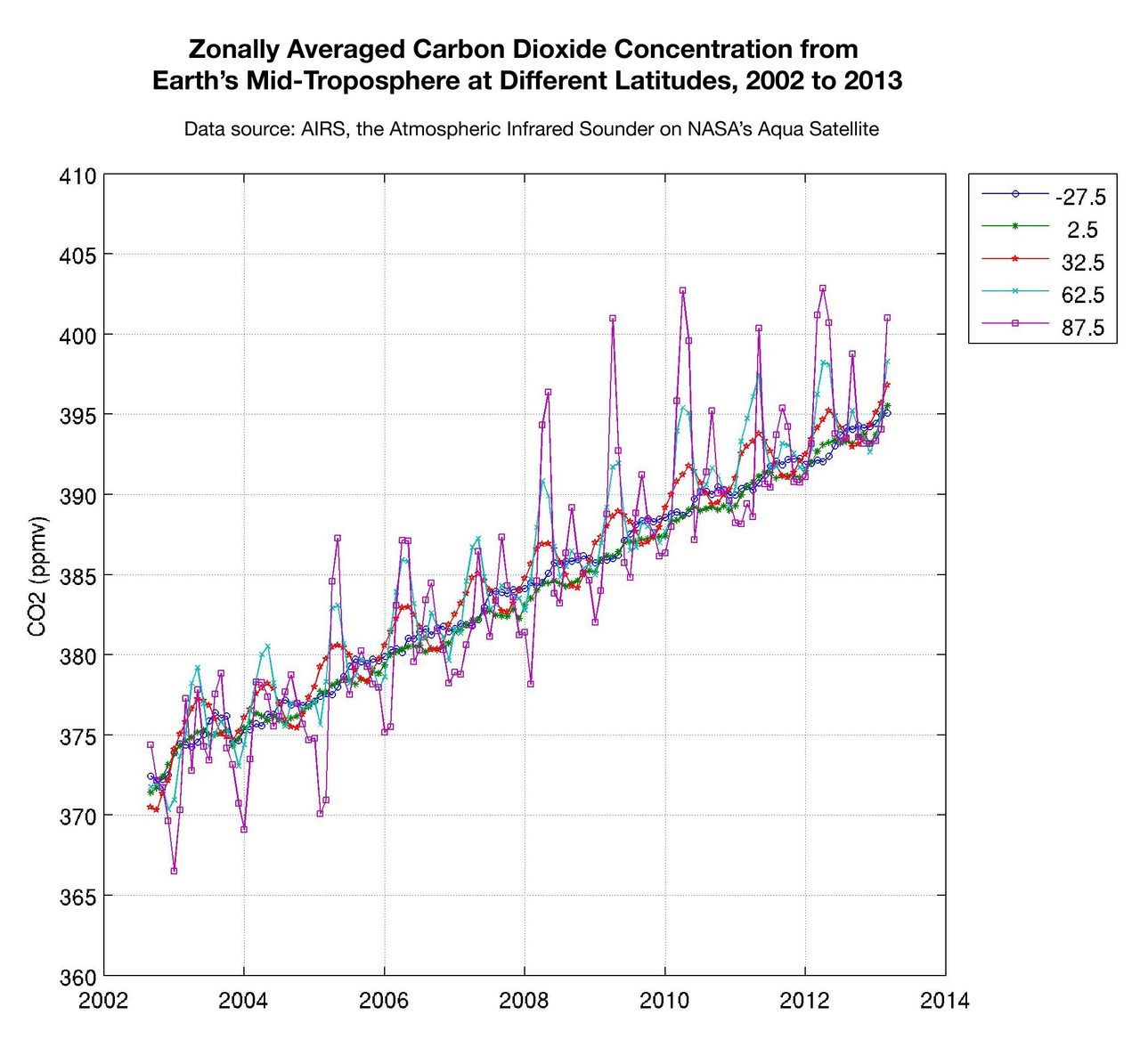
Aqua: tracking Earth's water cycle since 2002
NASA's Aqua satellite brought clouds, rainfall, ocean temperatures and atmospheric moisture into a single observing mission, building a record of how water moves through Earth's climate system.
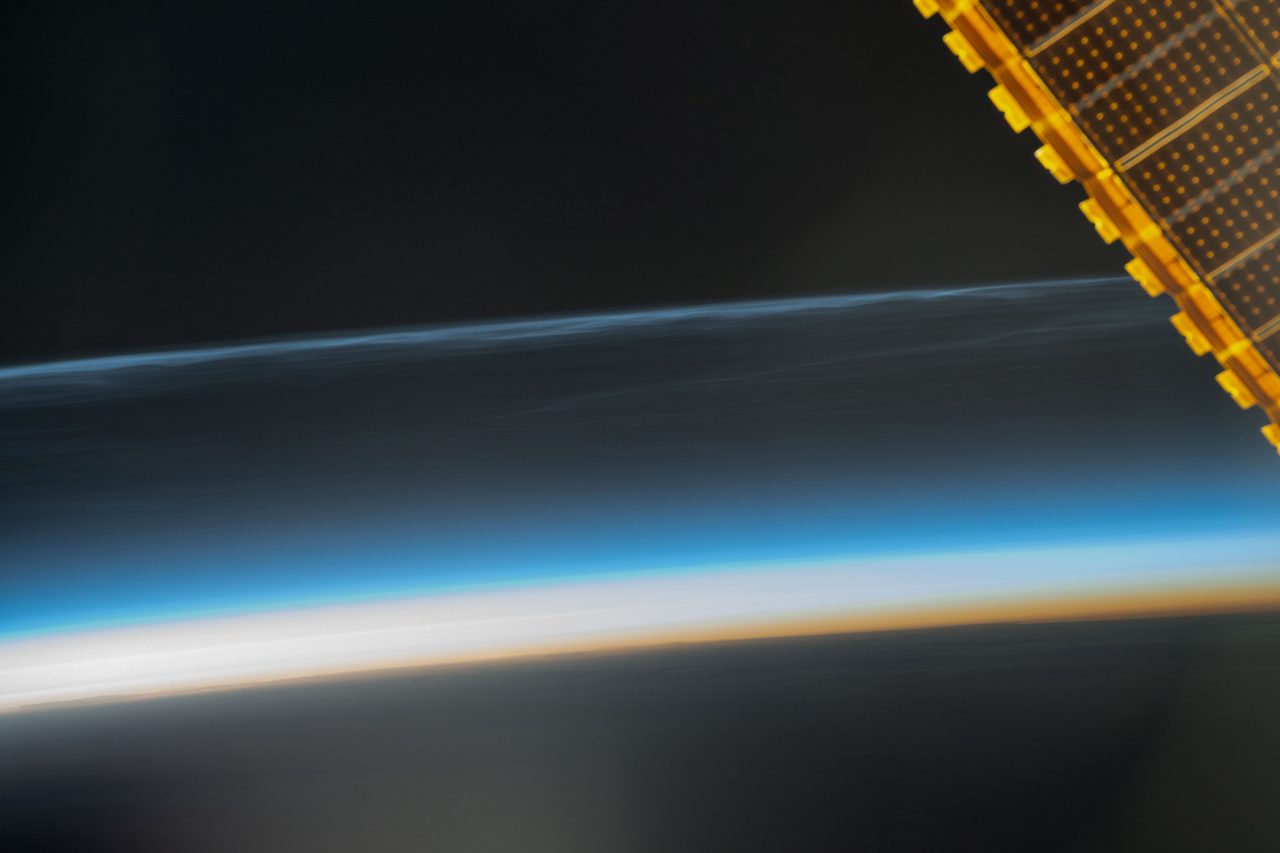
Low Earth Orbit: Why Space Is Busiest Below 2,000 km
Low Earth orbit hosts space stations, broadband constellations and Earth-observation missions. Explore how it works, why it is crowded and what keeps satellites flying safely.
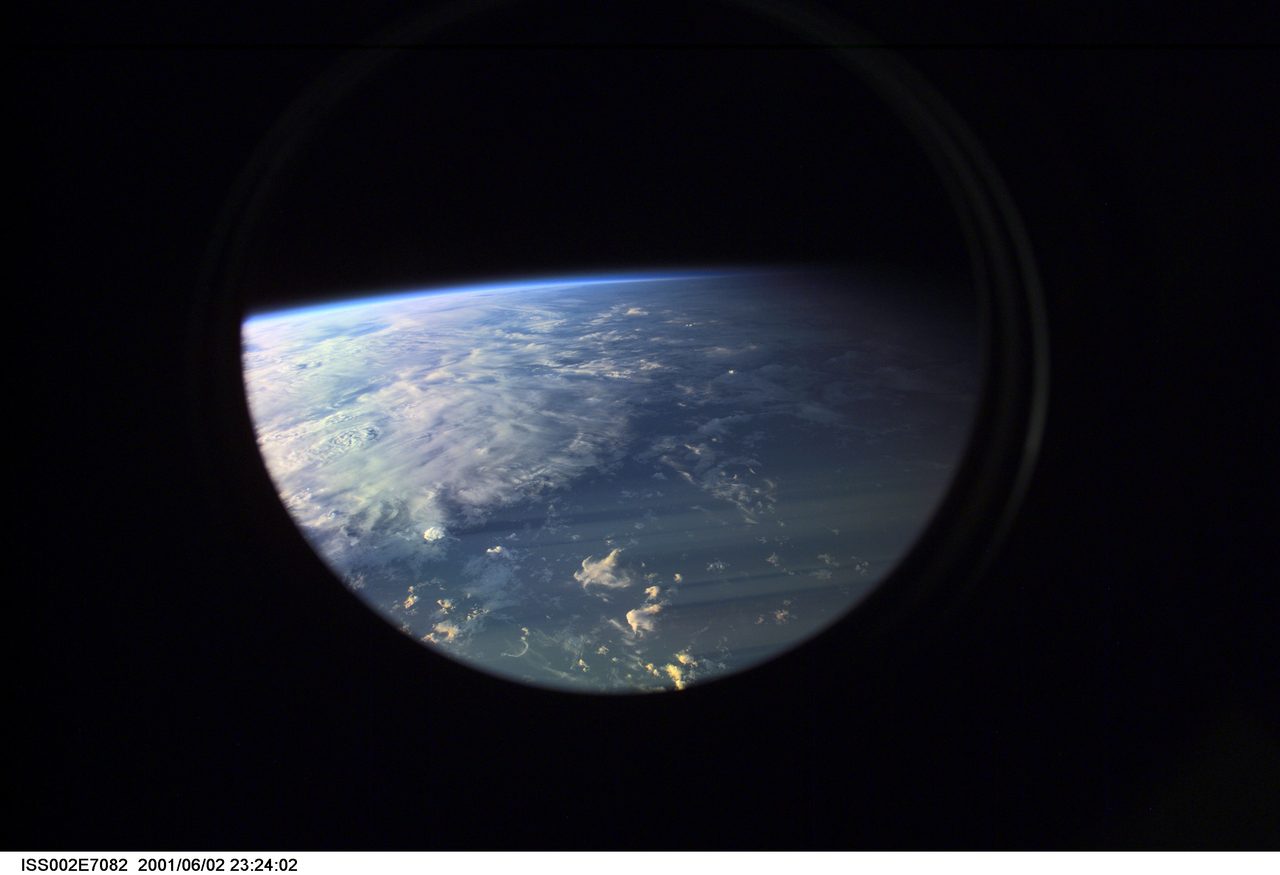
Why Can You Only See Satellites at Night? Twilight Explained
Satellites shine by reflected sunlight, not because night switches them on. The best views come when the ground is dark but the spacecraft overhead remains sunlit.
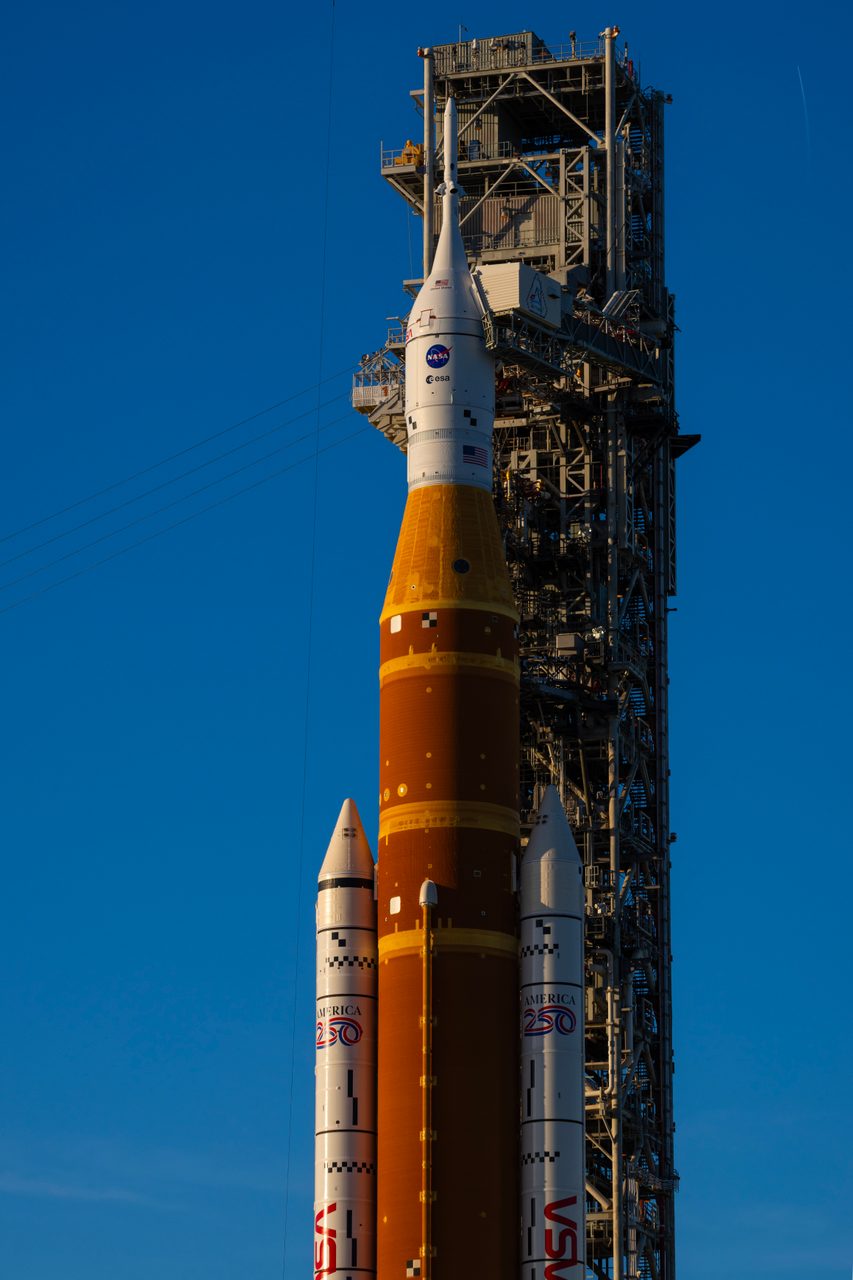
How Far Away Can You See a Rocket Launch?
A rocket launch can be visible hundreds of kilometres away, especially around twilight. Your view depends on its trajectory, sunlight, weather and your horizon.
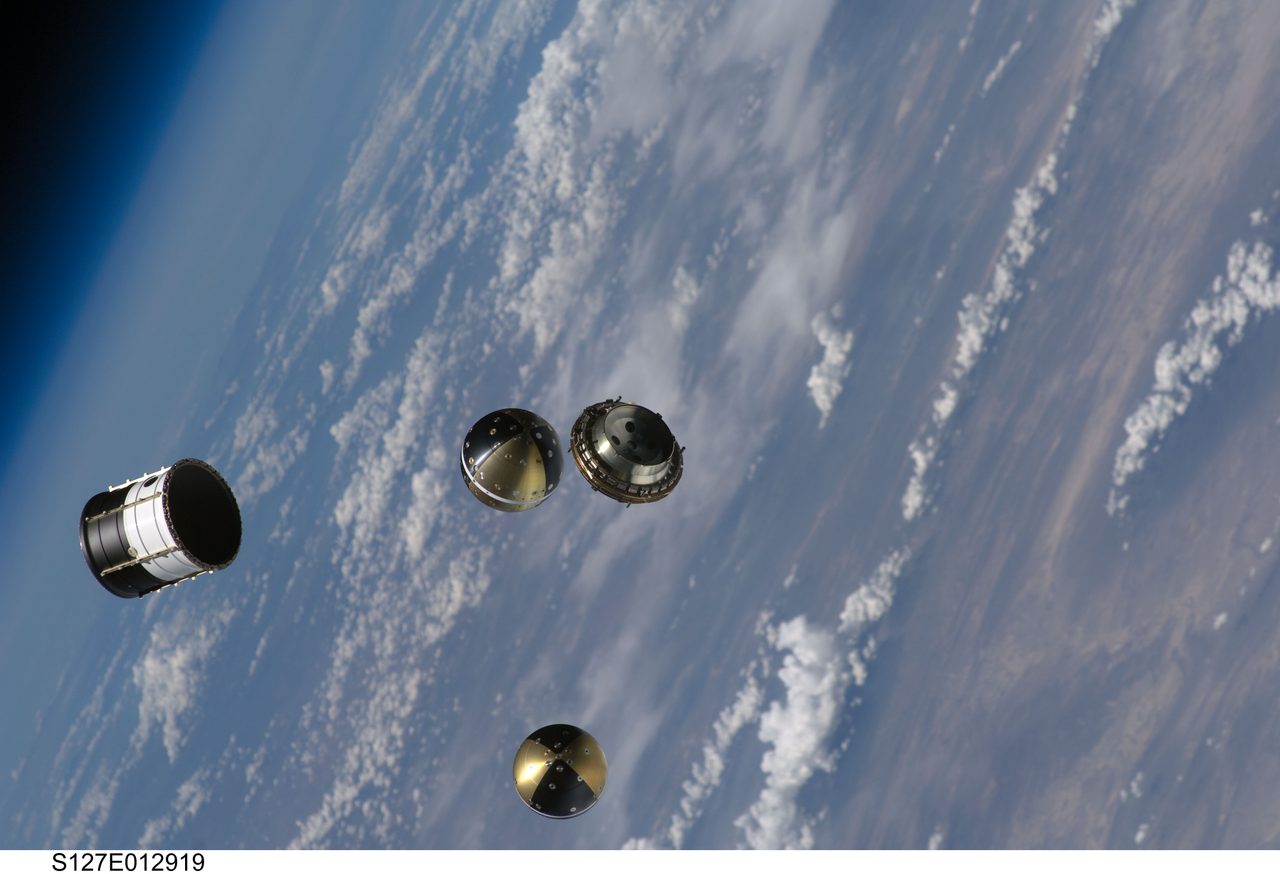
Orbital Inclination: Why Satellites Fly at Different Angles
Orbital inclination determines which latitudes a satellite flies over, but not everything it can see. Learn how orbit angles shape coverage, launch choices and mission design.
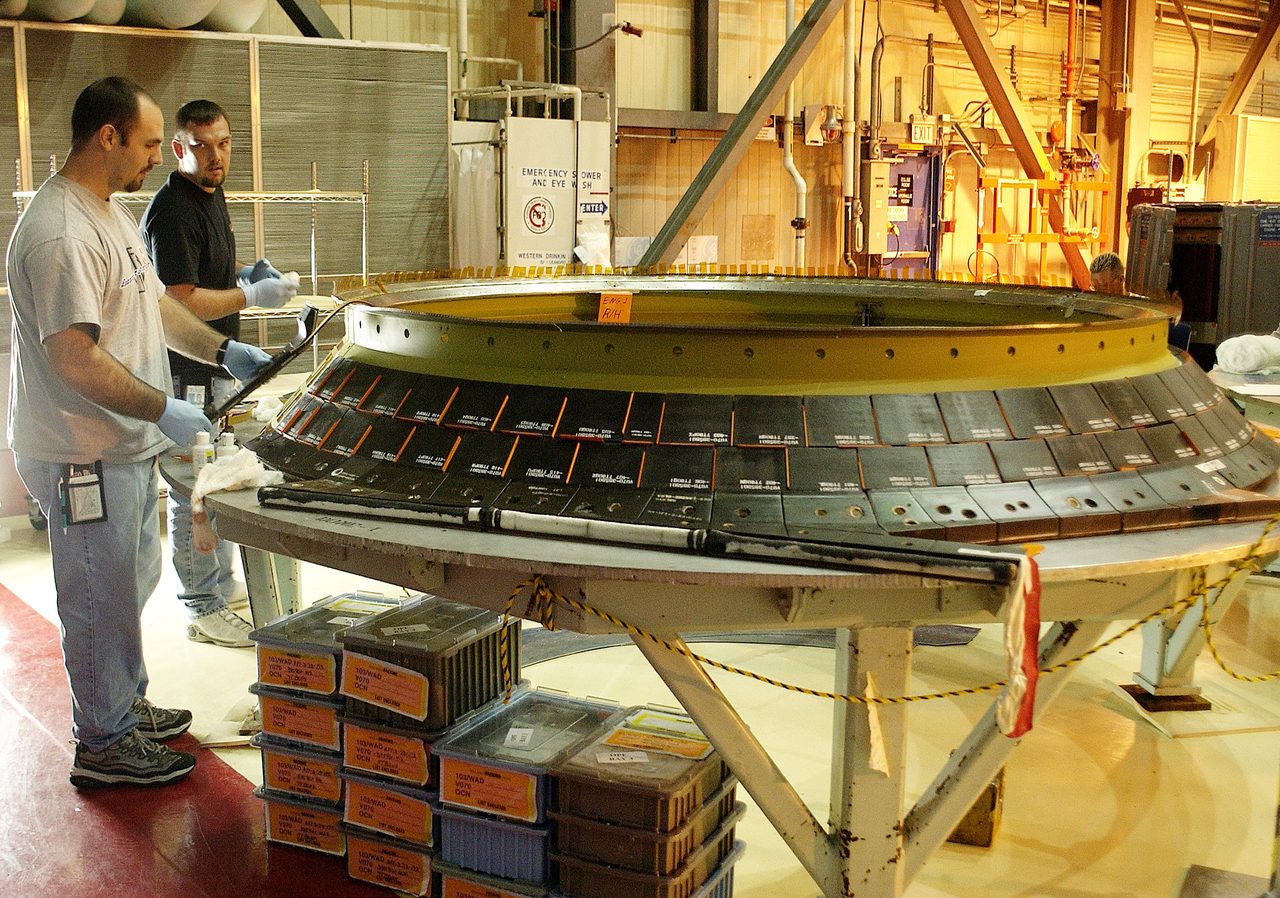
Fireball or Satellite Reentry? How to Tell What You Saw
A brief flash and a slow procession of glowing fragments suggest different origins. Learn which clues matter, which can mislead, and how to investigate your sighting.
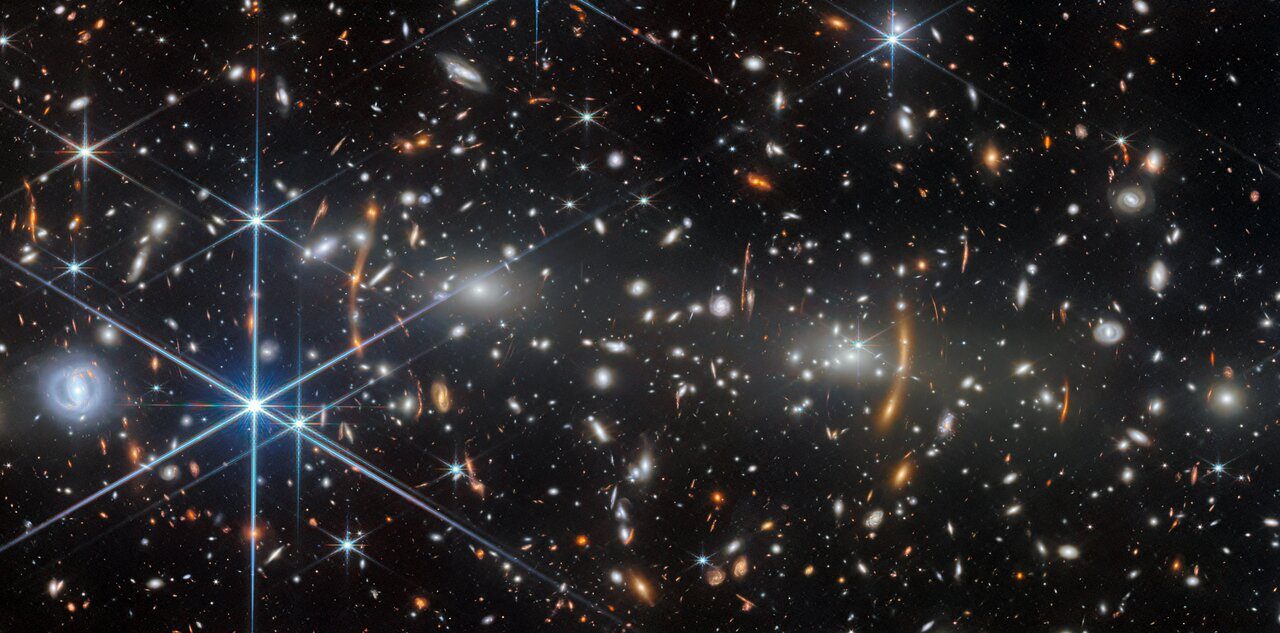
A cosmic construction project bends distant starlight
Two merging galaxy groups dominate Webb’s view of MACS J0553.4-3342. Their combined gravity stretches distant background galaxies into luminous orange arcs.

Starship Flight 15 targets double catch: 13 November briefing
Starship Flight 15 aims to attempt catches of both stages, while Vulcan prepares to carry Amazon Leo satellites. Both missions are scheduled for today.
Biggest Satellite in Orbit: The Heaviest Objects Ranked
The ISS is the heaviest satellite in orbit, but catalogue rankings tell a different story. Explore the distinction between assembled stations, individual spacecraft and spent rocket stages.