Guowang and Qianfan: China's Satellite Internet Ambitions
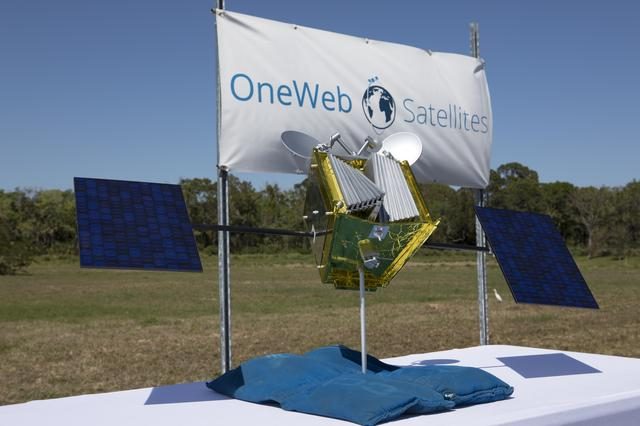
Guowang and Qianfan are China's ambitious satellite internet projects aiming to rival Starlink by deploying thousands of satellites.
Guowang and Qianfan represent China's strategic initiatives to establish a comprehensive satellite internet network. These projects aim to deploy thousands of satellites to provide global internet coverage, positioning China as a formidable player in the satellite internet sector.
What is Guowang?
Guowang, meaning 'national network', is China's state-backed satellite internet project. Announced in 2021, it aims to deploy over 12,000 satellites into low Earth orbit (LEO) to provide worldwide internet coverage. This initiative is part of China's broader digital infrastructure strategy, aligning with its 14th Five-Year Plan. The project is managed by China Satellite Network Group Co., Ltd., and is expected to significantly enhance China's internet capabilities.
Understanding Qianfan
Qianfan, translating to 'thousand sails', complements Guowang by focusing on the deployment of smaller, more agile satellites. This project is designed to enhance the flexibility and responsiveness of China's satellite internet network. Qianfan aims to integrate advanced technologies like AI and edge computing to optimise satellite operations and data processing. Together, Guowang and Qianfan form a dual approach to establishing a robust satellite internet infrastructure.
How Does Guowang Compare to Starlink?
Guowang is often compared to SpaceX's Starlink due to its similar objective of providing global internet coverage through a large satellite constellation. As of now, Starlink has launched 10,741 satellites, with 9,532 operational. In contrast, Guowang plans to deploy 12,000 satellites, with an initial focus on serving domestic needs before expanding globally. Both projects face challenges such as orbital congestion and regulatory hurdles, which are actively monitored on platforms like Orbital Radar's mega-constellations page.
The Strategic Importance of Guowang and Qianfan
The development of Guowang and Qianfan is strategically significant for China, offering potential military, economic, and technological advantages. By controlling its own satellite internet infrastructure, China reduces its dependence on foreign technology and enhances its cybersecurity. Additionally, these projects support China's Belt and Road Initiative by providing internet services to partner countries, fostering economic ties and influence.
Challenges and Future Prospects

Despite their potential, Guowang and Qianfan face several challenges, including technical hurdles, international competition, and space debris management. The projects must navigate complex regulatory environments and ensure the sustainability of their satellite networks. Future developments will likely focus on enhancing satellite technology and expanding service coverage, with progress tracked through resources like the Orbital Radar satellite internet page.
Key Takeaways
Guowang and Qianfan are pivotal to China's ambition to lead in satellite internet technology. Their successful implementation could redefine global internet dynamics and bolster China's technological sovereignty. As these projects evolve, their impact will be closely watched by industry analysts and policymakers worldwide.
Frequently Asked Questions
What is the purpose of Guowang?
How many satellites will Qianfan deploy?
When was Guowang announced?
How does Guowang impact global internet coverage?
What are the challenges faced by Guowang and Qianfan?
📎 Cite this article
Orbital Radar Newsroom. (2026). Guowang and Qianfan: China's Satellite Internet Ambitions. Orbital Radar. https://orbitalradar.com/blog/guowang-qianfan-explained"Guowang and Qianfan: China's Satellite Internet Ambitions." Orbital Radar, 16 July 2026, https://orbitalradar.com/blog/guowang-qianfan-explained.@misc{orbitalradar_guowang_qianfan_explained,
title = {Guowang and Qianfan: China's Satellite Internet Ambitions},
author = {{Orbital Radar}},
year = {2026},
howpublished = {\url{https://orbitalradar.com/blog/guowang-qianfan-explained}}
}