Starlink vs Kuiper vs OneWeb: A Comprehensive Satellite Internet Comparison

Starlink, Kuiper, and OneWeb are leading satellite internet providers, each with unique technologies and deployment strategies.
Starlink, Kuiper, and OneWeb represent the forefront of satellite internet technology, each offering distinct approaches to global connectivity. Starlink, operated by SpaceX, boasts the largest active satellite constellation with 9,807 operational satellites. Amazon's Kuiper and OneWeb are also key players, aiming to provide high-speed internet worldwide. This article explores their differences, capabilities, and future plans.
What is Starlink?

Starlink is a satellite internet constellation developed by SpaceX, designed to provide high-speed internet across the globe. As of September 2026, Starlink has launched 11,083 satellites, with 9,807 currently operational. The constellation operates in low Earth orbit (LEO), at altitudes ranging from 340 km to 1,200 km, to reduce latency. Starlink's satellites are equipped with phased-array antennas and use laser communication to enhance data transfer rates.
Understanding Kuiper
Project Kuiper is Amazon's ambitious satellite internet initiative, aiming to deploy over 3,236 satellites in LEO. Unlike Starlink, Kuiper is still in its developmental phase, with launches expected to commence in the near future. The Kuiper system plans to operate at altitudes between 590 km and 630 km, offering a balance between coverage and latency. Amazon's extensive cloud infrastructure is expected to play a crucial role in Kuiper's data management and distribution.
OneWeb's Approach to Connectivity
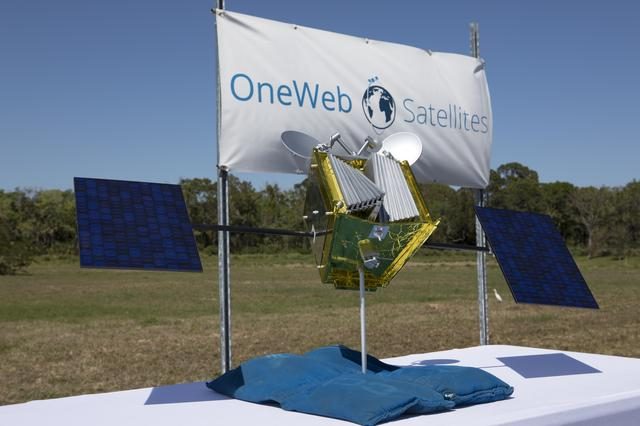
OneWeb, a UK-based company, has launched over 600 satellites, with plans to expand its constellation to 648 satellites. Operating at altitudes of 1,200 km, OneWeb aims to provide broadband internet services to remote and underserved regions. The company focuses on partnerships with telecommunications providers to integrate its services with existing infrastructure. OneWeb's satellites are designed for rapid deployment and efficient operation in LEO.
How Do These Systems Work?
Each satellite internet provider employs unique technologies to deliver connectivity. Starlink uses a mesh network of satellites to route data efficiently, minimising latency. Kuiper plans to leverage Amazon's cloud services for seamless data processing. OneWeb integrates with local telecom networks to enhance service delivery. The choice of orbital altitude and satellite design influences each system's performance and coverage.
Comparing Performance and Coverage
Starlink currently offers the most extensive coverage, with services available in over 40 countries. Kuiper's potential lies in its integration with Amazon's infrastructure, promising robust performance once operational. OneWeb focuses on niche markets, providing targeted solutions in collaboration with local partners. Each system's performance is influenced by satellite density, orbital parameters, and technological advancements.
Challenges and Future Prospects

The deployment of large satellite constellations poses challenges, including space debris management and regulatory hurdles. Starlink, Kuiper, and OneWeb must navigate these issues while expanding their networks. Future prospects include enhancing satellite capabilities, reducing costs, and improving global internet access. The Orbital Radar Satellite Internet Academy provides further insights into these developments.
Key Takeaways
Starlink, Kuiper, and OneWeb each offer unique solutions to global internet connectivity. Starlink leads with an extensive operational network, while Kuiper and OneWeb focus on strategic partnerships and infrastructure integration. The evolution of satellite internet will depend on technological advancements and effective management of orbital resources. For detailed comparisons, visit the Starlink vs Kuiper page.
Frequently Asked Questions
How many satellites does Starlink have?
When will Kuiper be operational?
What is the difference between Starlink and OneWeb?
How does satellite internet work?
What are the challenges of satellite internet?
📎 Cite this article
Orbital Radar Newsroom. (2026). Starlink vs Kuiper vs OneWeb: A Comprehensive Satellite Internet Comparison. Orbital Radar. https://orbitalradar.com/blog/starlink-vs-kuiper-vs-oneweb"Starlink vs Kuiper vs OneWeb: A Comprehensive Satellite Internet Comparison." Orbital Radar, 19 May 2026, https://orbitalradar.com/blog/starlink-vs-kuiper-vs-oneweb.@misc{orbitalradar_starlink_vs_kuiper_vs_oneweb,
title = {Starlink vs Kuiper vs OneWeb: A Comprehensive Satellite Internet Comparison},
author = {{Orbital Radar}},
year = {2026},
howpublished = {\url{https://orbitalradar.com/blog/starlink-vs-kuiper-vs-oneweb}}
}