Understanding Starlink: Architecture, Coverage & Orbital Mechanics
Starlink operates through a constellation of over 10,000 satellites, providing global internet coverage via low Earth orbit.
Starlink, a satellite internet constellation developed by SpaceX, aims to provide high-speed internet access globally. As of now, there are over 10,500 Starlink satellites launched, with 9,320 operational. The system works by deploying satellites in low Earth orbit (LEO) to create a network that communicates with ground stations and user terminals.
How Starlink's Satellite Architecture Works
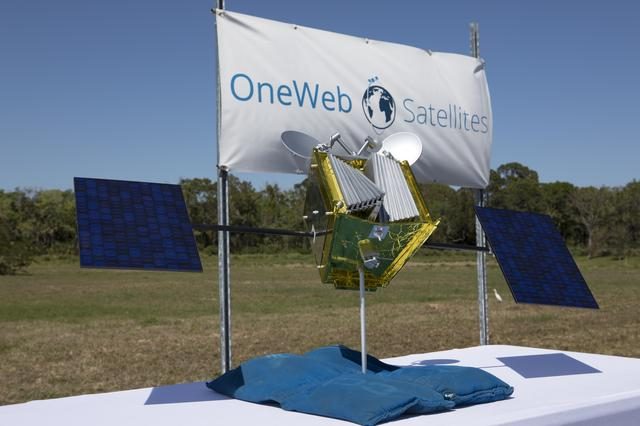
Each Starlink satellite is equipped with phased-array antennas and laser communication links, allowing them to communicate with each other and with ground stations. The satellites operate at altitudes ranging from 340 km to 1,200 km, significantly lower than traditional geostationary satellites. This proximity reduces latency, making Starlink's internet service faster and more reliable.
Orbital Mechanics and Satellite Deployment
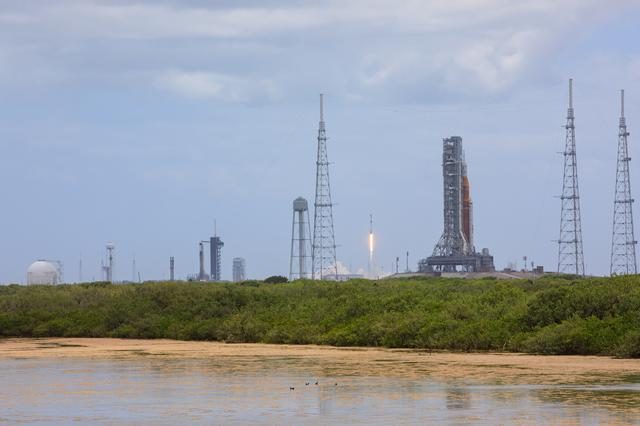
Starlink satellites are launched in batches aboard SpaceX's Falcon 9 rockets. Once in orbit, they use onboard ion thrusters to reach their operational altitude. The satellites are placed in a series of orbital planes to ensure global coverage. The Starlink Tracker provides real-time data on satellite positions and passes.
Global Coverage and Internet Access

Starlink's network is designed to provide internet access to underserved and remote areas. By using a dense constellation of satellites, Starlink can offer coverage even in regions where traditional infrastructure is lacking. The service is currently available in over 40 countries, with plans to expand further.
Challenges and Concerns
While Starlink offers significant benefits, it also raises concerns about space debris and light pollution. With over 28,388 tracked objects in orbit, including 8,584 pieces of debris, the risk of collisions is a growing concern. SpaceX has implemented measures to deorbit defunct satellites and mitigate these risks.
Key Takeaways
Starlink represents a significant advancement in satellite internet technology, leveraging a vast constellation of low Earth orbit satellites to provide global coverage. While challenges remain, particularly in terms of space debris, the potential benefits for global internet access are substantial. For more details on satellite constellations, visit our Space Academy.
Frequently Asked Questions
How does Starlink provide internet?
What is the altitude of Starlink satellites?
How many Starlink satellites are currently operational?
What are the main concerns about Starlink?
How can I track Starlink satellites?
📎 Cite this article
Orbital Radar Newsroom. (2026). Understanding Starlink: Architecture, Coverage & Orbital Mechanics. Orbital Radar. https://orbitalradar.com/blog/how-starlink-works"Understanding Starlink: Architecture, Coverage & Orbital Mechanics." Orbital Radar, 18 June 2026, https://orbitalradar.com/blog/how-starlink-works.@misc{orbitalradar_how_starlink_works,
title = {Understanding Starlink: Architecture, Coverage & Orbital Mechanics},
author = {{Orbital Radar}},
year = {2026},
howpublished = {\url{https://orbitalradar.com/blog/how-starlink-works}}
}