SpaceX's Starlink V3 Deployment on Suborbital Starship Flight

SpaceX prepares to launch Starlink V3 satellites on a suborbital Starship flight, marking a significant step in satellite deployment.
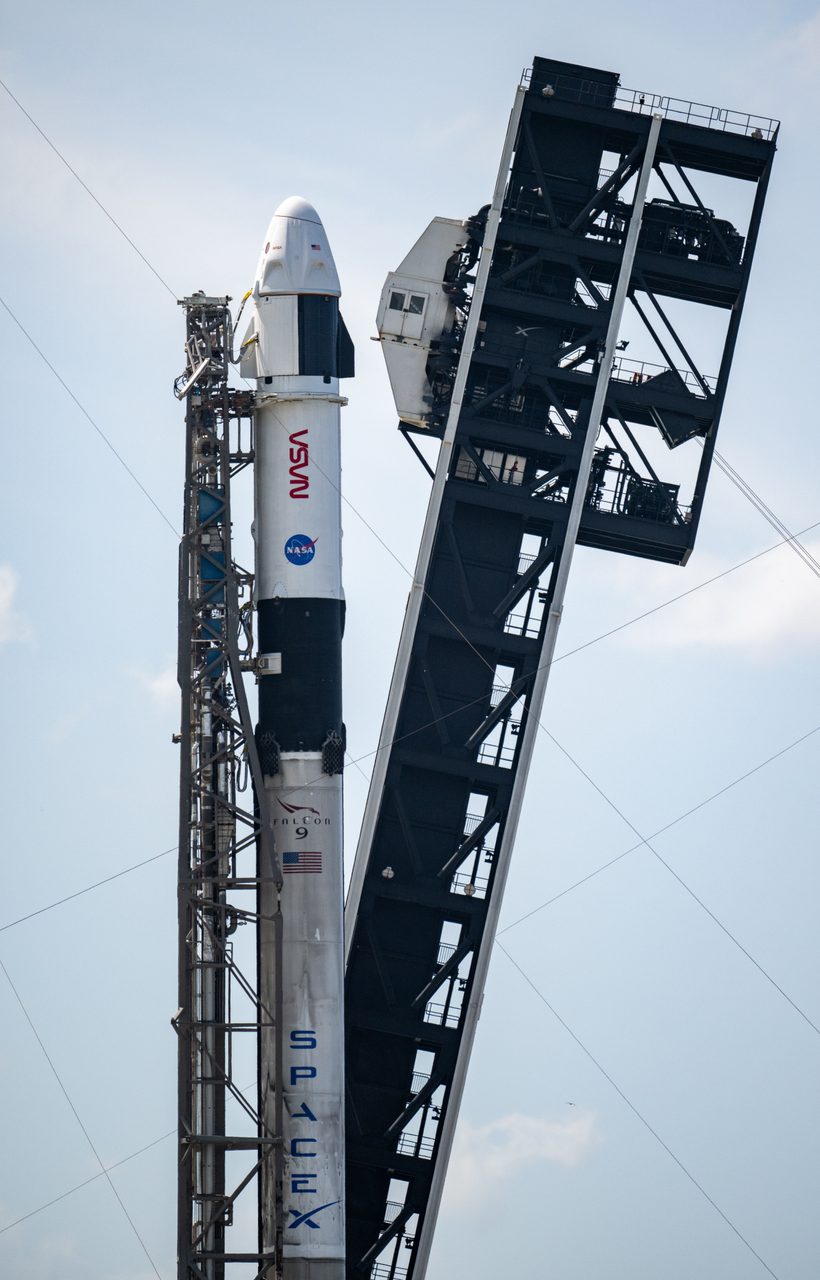
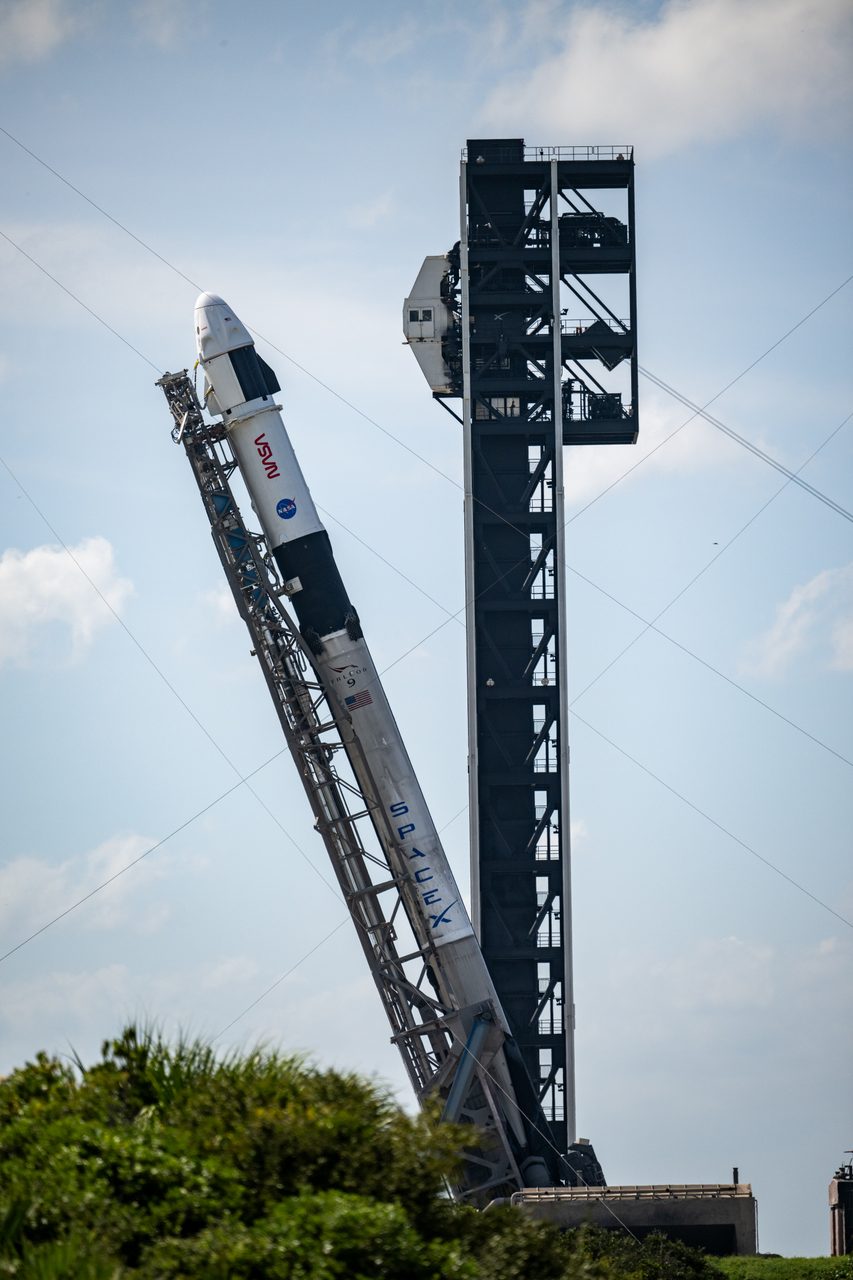
SpaceX is set to deploy its first batch of Starlink V3 satellites using a suborbital flight of the Starship-Super Heavy. This mission, which is a precursor to full orbital deployment, represents a significant milestone in the Starlink programme. The Starship vehicle, known for its reusable capabilities, will carry these advanced satellites designed to enhance global internet coverage.
NASA's Artemis III Preparations

NASA is ramping up its preparations for the Artemis III mission, slated for a 2027 launch. This mission aims to return humans to the Moon, with a focus on sustainable exploration. The Artemis programme is a cornerstone of NASA's lunar ambitions, and preparations are now in full swing to ensure the mission's success. For more details on NASA's lunar activities, visit the Moon Globe page.
Orbital Anomalies and Satellite Movements
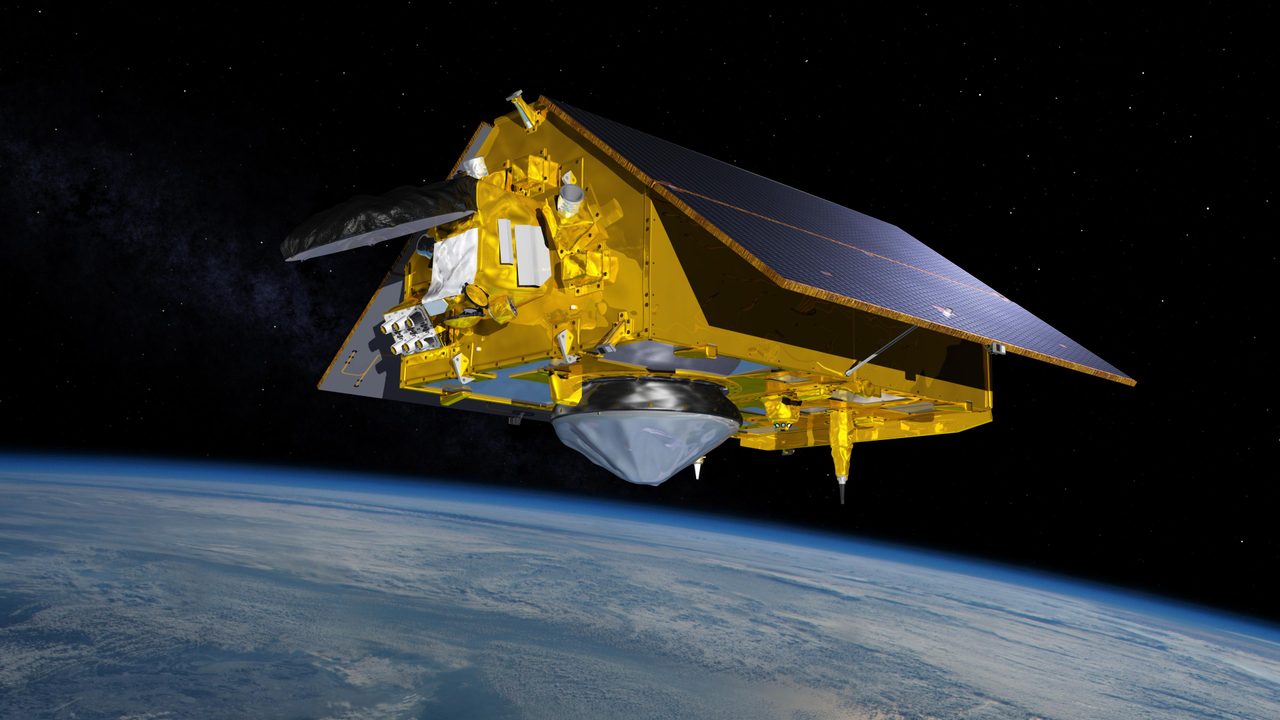
Recent data indicates significant changes in the B* (drag term) for several OneWeb and Starlink satellites, suggesting possible manoeuvres or impacts from space weather. Specifically, STARLINK-3415 experienced a 31.4-fold increase in its drag term, which could affect its orbital stability. These anomalies are critical for maintaining satellite integrity and avoiding potential collisions. Track these changes and other satellite movements using the Debris Map.
What to Watch
While there are no launches scheduled for today, the upcoming deployment of Starlink V3 satellites is a key event to monitor. Additionally, the close approach between SUPERVIEW NEO-2 03 and SUPERVIEW NEO-2 04, with a minimum distance of approximately 1.88 km, is being closely tracked. Stay updated with future launches by checking the Launch Schedule.
Frequently Asked Questions
What is the Starlink V3 satellite?
When is NASA's Artemis III mission scheduled?
📎 Cite this article
Orbital Radar Newsroom. (2026). SpaceX's Starlink V3 Deployment on Suborbital Starship Flight. Orbital Radar. https://orbitalradar.com/blog/orbital-briefing-2026-07-16"SpaceX's Starlink V3 Deployment on Suborbital Starship Flight." Orbital Radar, 16 July 2026, https://orbitalradar.com/blog/orbital-briefing-2026-07-16.@misc{orbitalradar_orbital_briefing_2026_07_16,
title = {SpaceX's Starlink V3 Deployment on Suborbital Starship Flight},
author = {{Orbital Radar}},
year = {2026},
howpublished = {\url{https://orbitalradar.com/blog/orbital-briefing-2026-07-16}}
}