SpaceX Achieves 100th Falcon Launch in 2026 with Starlink Deployment
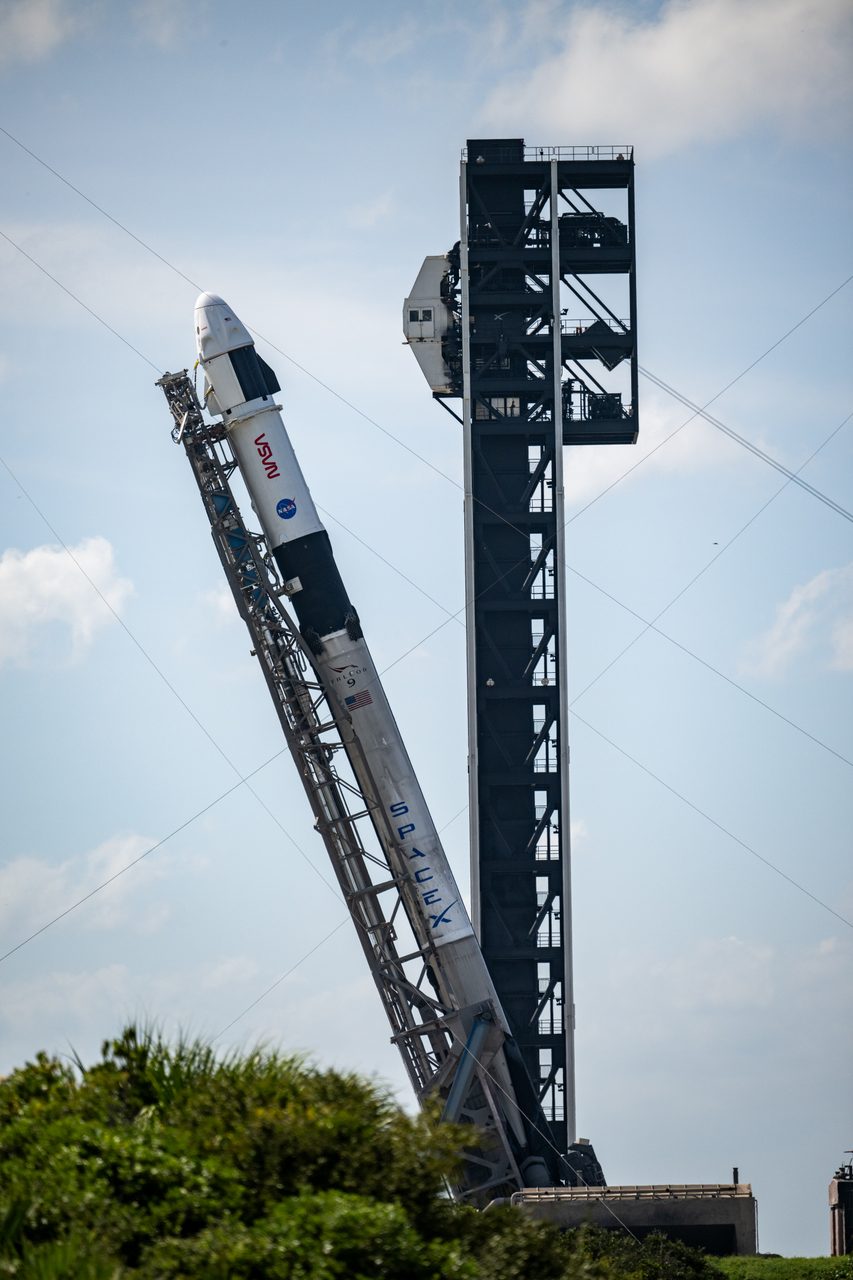
SpaceX completes its 100th Falcon 9 launch of 2026, deploying 27 Starlink satellites into orbit, while space weather remains stable.
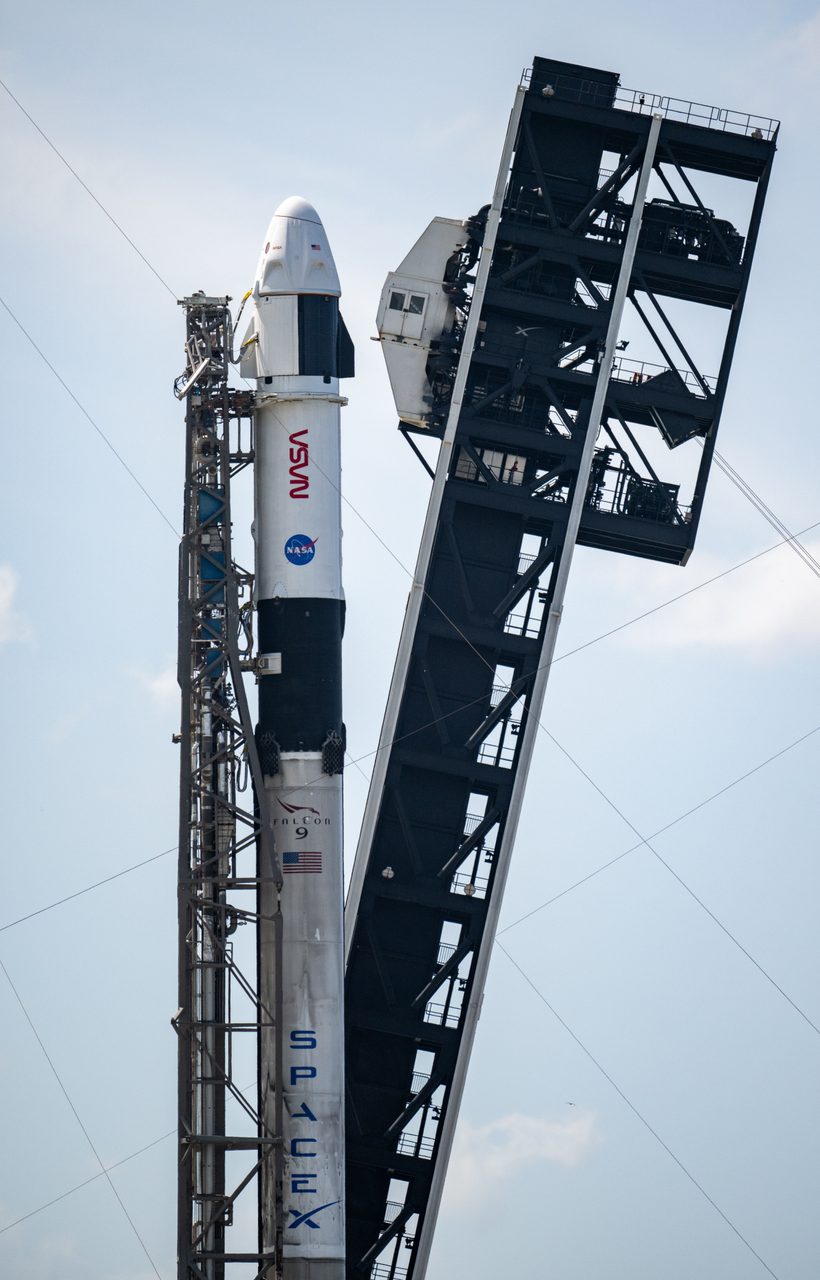
SpaceX has successfully launched its 100th Falcon 9 rocket of the year, deploying 27 Starlink satellites into orbit. This milestone was achieved on 22 August 2026, further expanding the Starlink constellation, which now includes 10,975 active satellites. Of these, 9,829 are operational, while others are in various stages of orbit raising or deorbiting. The launch took place from Cape Canaveral Space Force Station, marking a significant achievement for SpaceX's commercial satellite internet service.
Close Approaches and Orbital Safety
Recent orbital data indicates several close approaches between satellites, with the closest being between OBJECT A and OBJECT B at a minimum distance of approximately 1.08 km. These events highlight the increasing congestion in low Earth orbit (LEO), where active satellites number 18,614. The Debris Map on Orbital Radar provides real-time tracking of such objects, aiding in collision avoidance and orbital safety.
Stable Space Weather Conditions
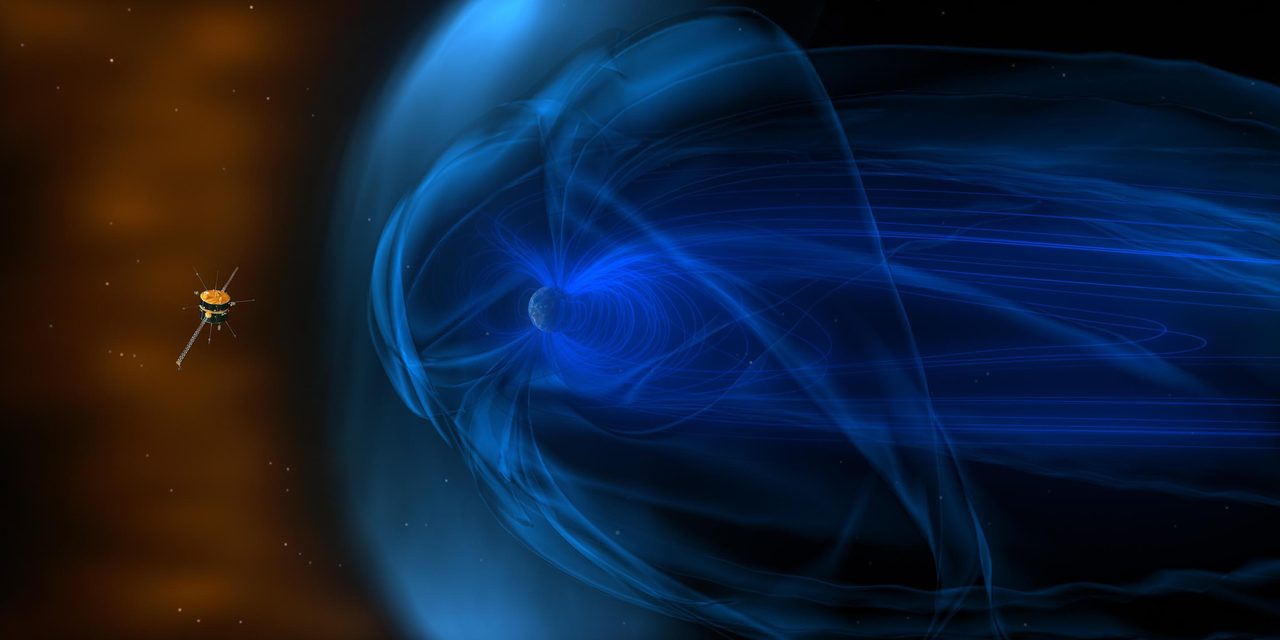
Current space weather conditions are stable, with all metrics indicating 'green' status. The solar wind speed is 412 km/s, and the geomagnetic Kp index is at 0, suggesting minimal geomagnetic activity. Such conditions are favourable for satellite operations and communications. The Space Weather section on Orbital Radar offers continuous updates on these parameters.
What to Watch
While there are no launches scheduled for the immediate future, the space community is anticipating the partial lunar eclipse on 28 August 2026. This celestial event will be visible from parts of Europe, Asia, and Africa. For those interested in satellite observations, the Pass Predictor tool on Orbital Radar can provide timings for visible satellite passes in your area.
Frequently Asked Questions
How many Starlink satellites are operational?
What is the significance of SpaceX's 100th Falcon launch in 2026?
📎 Cite this article
Orbital Radar Newsroom. (2026). SpaceX Achieves 100th Falcon Launch in 2026 with Starlink Deployment. Orbital Radar. https://orbitalradar.com/blog/orbital-briefing-2026-08-23"SpaceX Achieves 100th Falcon Launch in 2026 with Starlink Deployment." Orbital Radar, 23 August 2026, https://orbitalradar.com/blog/orbital-briefing-2026-08-23.@misc{orbitalradar_orbital_briefing_2026_08_23,
title = {SpaceX Achieves 100th Falcon Launch in 2026 with Starlink Deployment},
author = {{Orbital Radar}},
year = {2026},
howpublished = {\url{https://orbitalradar.com/blog/orbital-briefing-2026-08-23}}
}