Amateur Radio Satellites: A Comprehensive Guide

Amateur radio satellites enable global communication for enthusiasts. Learn how they work, their benefits, and how to track them.
| Active satellites | 15,787 |
| Starlink active | 10,063 |
| Catalogued objects | 31,507 |
| Active close approaches | 20 |
| People in space | 10 |
Amateur radio satellites, also known as 'ham satellites', are artificial satellites used by amateur radio operators for non-commercial communication. These satellites facilitate long-distance communication by relaying signals between ground stations. As of 2026, there are numerous active amateur satellites in orbit, contributing to the total of 15,787 active satellites tracked by Orbital Radar.
How Do Amateur Radio Satellites Work?
Amateur radio satellites operate by receiving signals from a ground-based transmitter, amplifying them, and retransmitting them back to Earth. This process allows operators to communicate over vast distances, bypassing the Earth's curvature. These satellites often use low Earth orbit (LEO), with altitudes typically between 500 to 1,500 kilometres, enabling frequent passes over ground stations.
Why Are Amateur Radio Satellites Important?
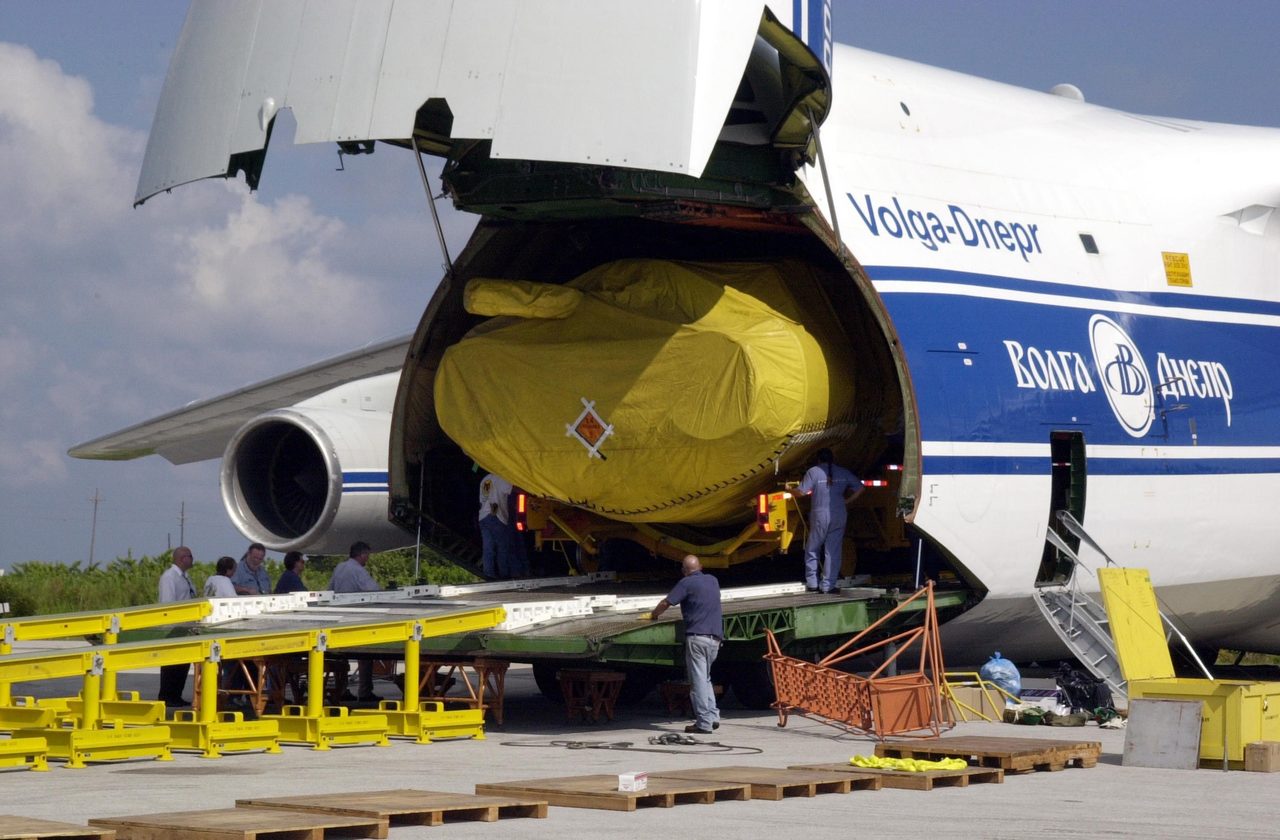
Amateur radio satellites play a crucial role in emergency communications, scientific research, and education. They provide a reliable communication channel when terrestrial networks fail, such as during natural disasters. Additionally, they offer a platform for scientific experiments and educational projects, promoting interest in STEM fields.
Tracking Amateur Radio Satellites

Tracking amateur radio satellites is essential for effective communication. Enthusiasts can use tools like the Orbital Radar pass predictor to determine when a satellite will be visible from their location. This involves calculating the satellite's orbit and predicting its path across the sky.
Amateur Radio Satellites vs. Commercial Satellites

Unlike commercial satellites, which are often large and expensive, amateur radio satellites are typically small and cost-effective. They are often built by amateur groups or educational institutions, focusing on non-commercial purposes. While commercial satellites prioritize high-capacity data transmission, amateur satellites focus on facilitating communication for hobbyists and educational purposes.
Key Takeaways
Amateur radio satellites are vital for global communication among enthusiasts, providing a platform for education and emergency communication. They operate in low Earth orbit, allowing frequent passes over ground stations. Tracking these satellites is crucial for effective use, with tools like the Orbital Radar pass predictor being invaluable resources.
Frequently Asked Questions
How can I communicate via amateur radio satellites?
What frequencies do amateur radio satellites use?
Are there any regulations for using amateur radio satellites?
Can amateur radio satellites be used for emergency communication?
How many amateur radio satellites are currently in orbit?
📎 Cite this article · data available
Orbital Radar Newsroom. (2026). Amateur Radio Satellites: A Comprehensive Guide. Orbital Radar. https://orbitalradar.com/blog/amateur-radio-satellites-explainer"Amateur Radio Satellites: A Comprehensive Guide." Orbital Radar, 12 October 2026, https://orbitalradar.com/blog/amateur-radio-satellites-explainer.@misc{orbitalradar_amateur_radio_satellites_explainer,
title = {Amateur Radio Satellites: A Comprehensive Guide},
author = {{Orbital Radar}},
year = {2026},
howpublished = {\url{https://orbitalradar.com/blog/amateur-radio-satellites-explainer}}
}