Satellite Ground Stations: The Backbone of Space Communication
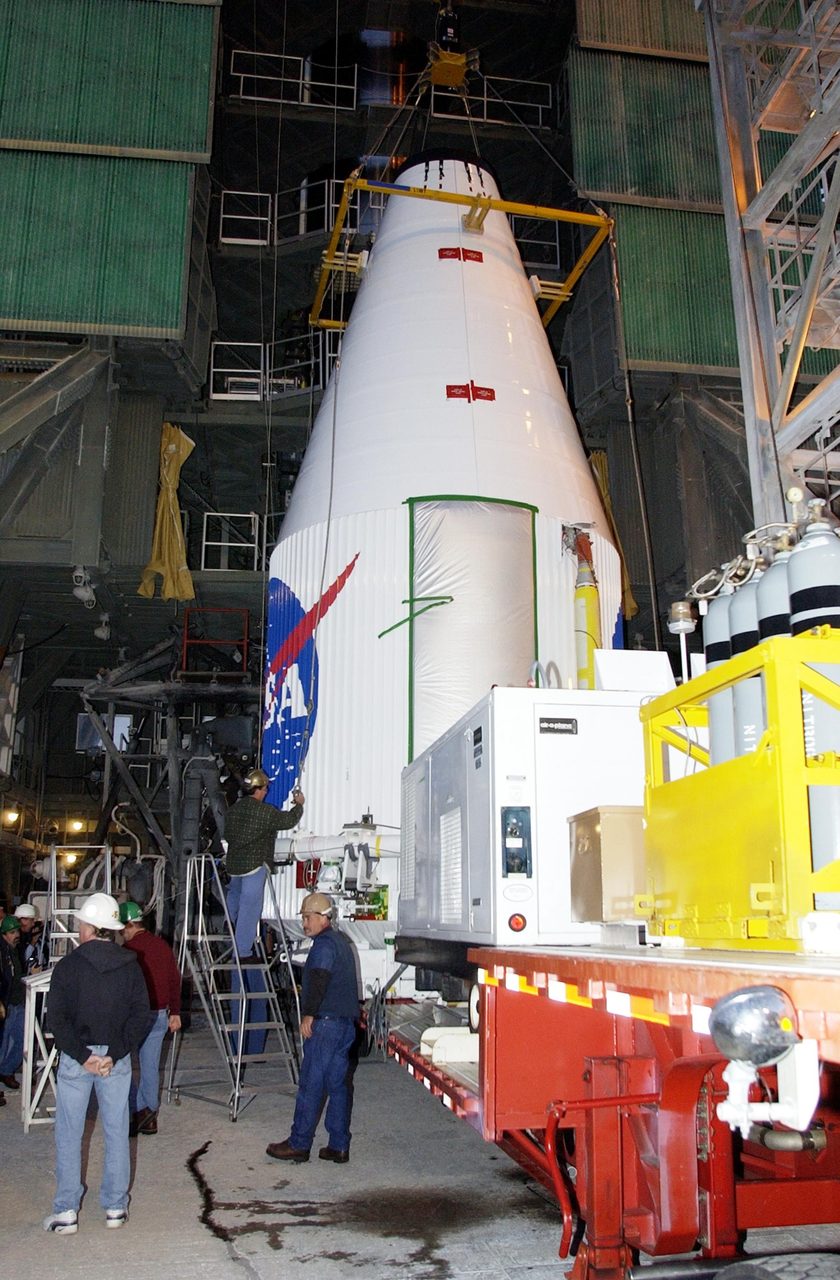
Satellite ground stations are vital for receiving data from and sending commands to satellites, enabling global communication and navigation.
| Active satellites | 18,110 |
| Starlink active | 9,839 |
| Catalogued objects | 29,388 |
| Predicted re-entries | 36 |
| Active close approaches | 15 |
| People in space | 1,120,260,915,064,615.8 |
Satellite ground stations are critical infrastructure that facilitate communication with satellites. They receive data from and send commands to satellites, enabling functions such as navigation, weather forecasting, and global communications. As of 2026, there are 18,110 active satellites in orbit, according to Orbital Radar's live catalogue.
What Are Satellite Ground Stations?
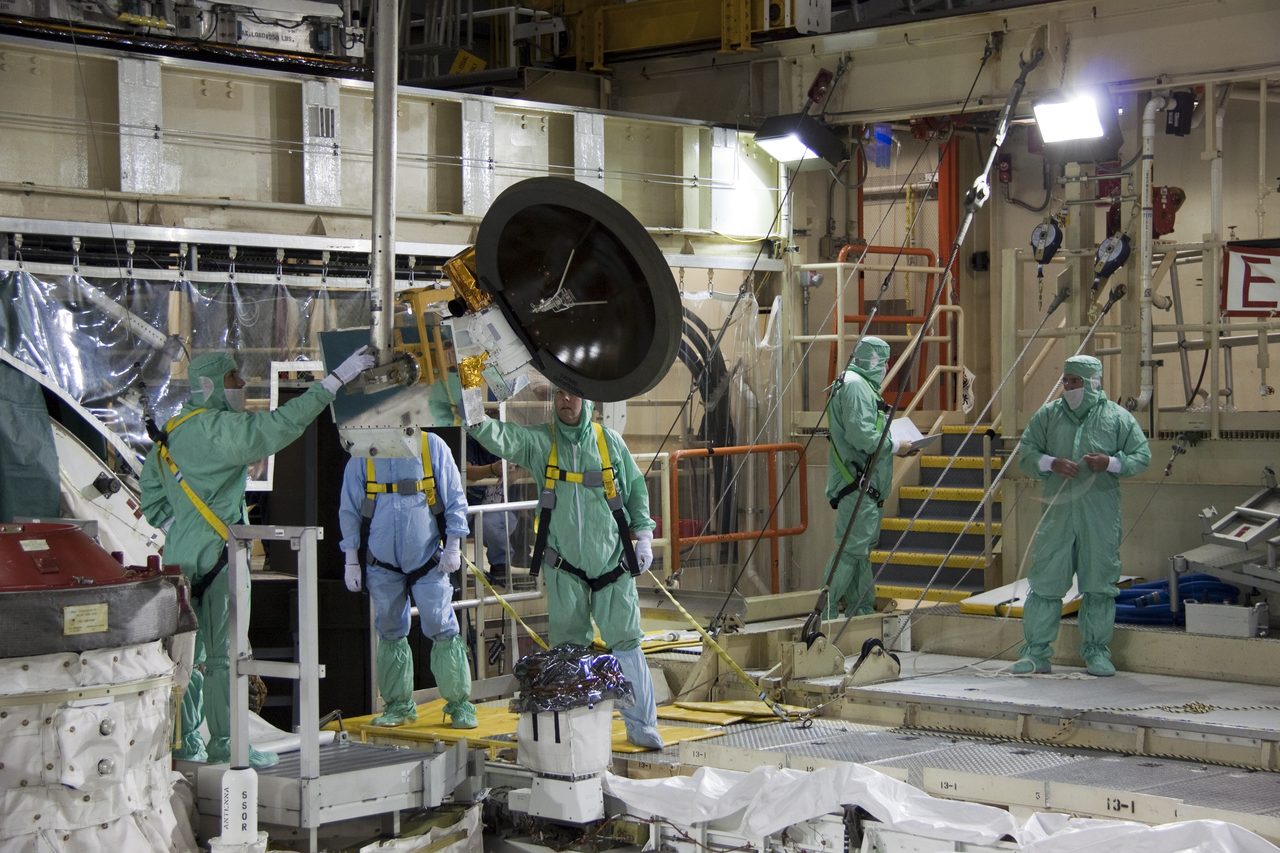
Satellite ground stations are terrestrial facilities equipped with antennas and communication equipment to interact with satellites. These stations serve as the primary link between satellites and Earth, transmitting data such as telemetry (remote measurement and reporting of information) and receiving signals for processing. Ground stations are strategically located worldwide to ensure continuous satellite coverage.
How Do Satellite Ground Stations Work?
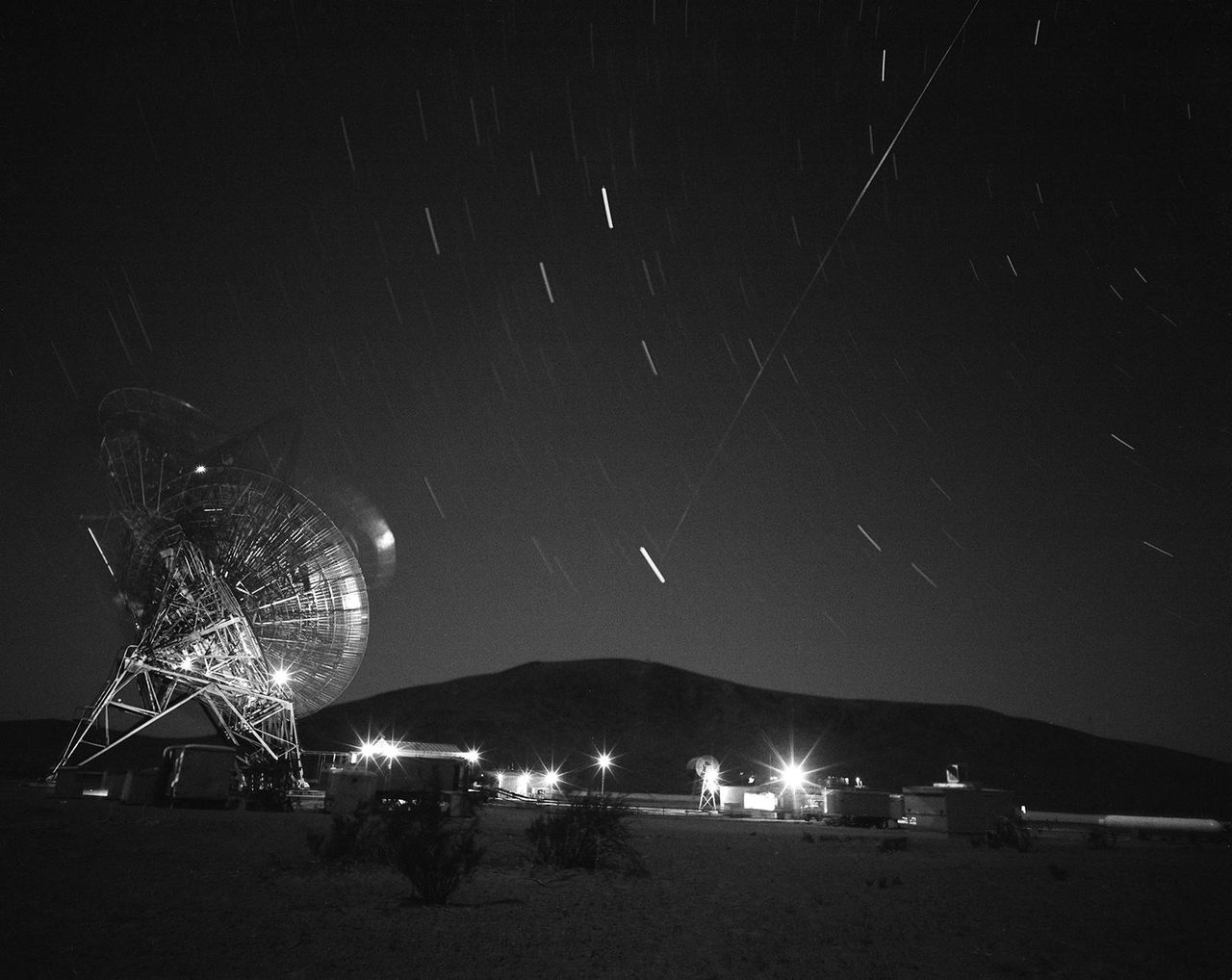
Ground stations operate by tracking satellites as they pass overhead, using precise azimuth and elevation calculations. The Groundlink tool provides azimuth/elevation/range look-angle reports for any satellite. Once a satellite is within range, the station's antennas lock onto it to receive data and send commands. This process requires precise timing and coordination with the satellite's orbit.
Why Are Ground Stations Important?
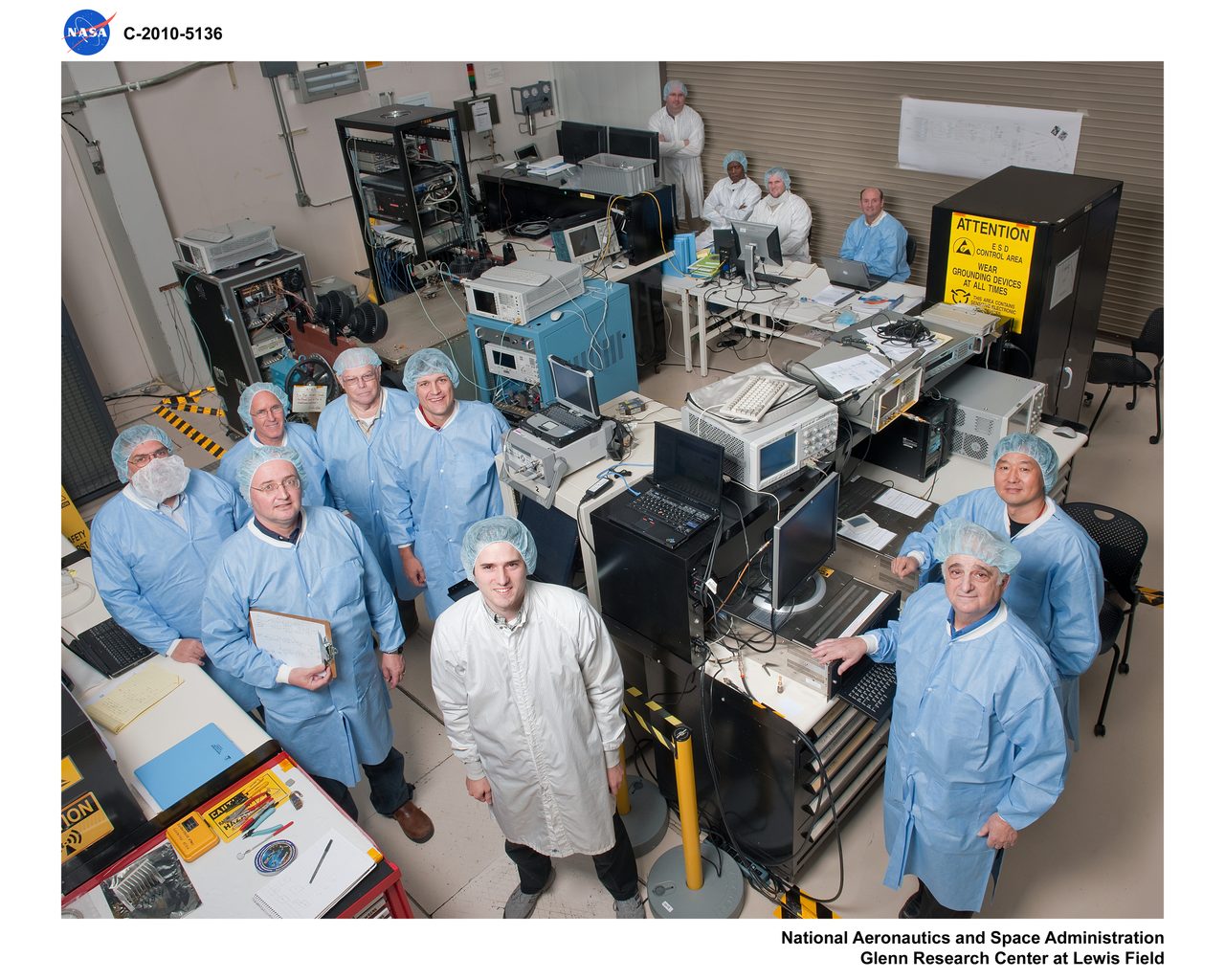
Ground stations are essential for maintaining the functionality of satellites. They enable the monitoring of satellite health, facilitate data collection for scientific research, and support global communication networks. For instance, the Starlink network, with 9,839 active satellites, relies on ground stations to provide internet services worldwide, as tracked by Orbital Radar's Starlink Tracker.
Types of Satellite Ground Stations
There are various types of ground stations, including fixed, transportable, and mobile units. Fixed stations are permanent installations, while transportable and mobile stations can be relocated to support temporary missions or emergencies. Each type is designed to meet specific operational needs, from routine satellite management to disaster response.
Challenges Facing Ground Stations
Ground stations face challenges such as signal interference, weather disruptions, and the need for constant technological upgrades. As the number of satellites increases, with 29,388 total catalogued objects including debris, managing orbital traffic becomes more complex. Orbital Radar's Debris Map helps track potential collisions and maintain safe operations.
Key Takeaways
Satellite ground stations are indispensable for space operations, supporting a wide array of applications from navigation to global communications. They require precise coordination and advanced technology to function effectively. As of 2026, the infrastructure supports 18,110 active satellites, highlighting their critical role in modern society.
Frequently Asked Questions
How many satellite ground stations are there worldwide?
What is the role of a satellite ground station?
How do ground stations communicate with satellites?
Why are ground stations strategically located?
What challenges do satellite ground stations face?
📎 Cite this article · data available
Orbital Radar Newsroom. (2026). Satellite Ground Stations: The Backbone of Space Communication. Orbital Radar. https://orbitalradar.com/blog/satellite-ground-stations-explainer"Satellite Ground Stations: The Backbone of Space Communication." Orbital Radar, 15 September 2026, https://orbitalradar.com/blog/satellite-ground-stations-explainer.@misc{orbitalradar_satellite_ground_stations_explainer,
title = {Satellite Ground Stations: The Backbone of Space Communication},
author = {{Orbital Radar}},
year = {2026},
howpublished = {\url{https://orbitalradar.com/blog/satellite-ground-stations-explainer}}
}