Understanding Low Earth Orbit: The Busiest Region in Space

Low Earth Orbit (LEO) is the most congested region in space, with over 18,000 active satellites and a significant amount of debris.
Low Earth Orbit (LEO) is defined as an Earth-centred orbit with an altitude of 2,000 kilometres or less. It is the most densely populated region of space, home to over 18,000 active satellites, including 10,615 from SpaceX's Starlink constellation. The total number of catalogued objects, including debris, in LEO exceeds 28,700, with an estimated orbital mass of 15,800 tonnes.
What is Low Earth Orbit?
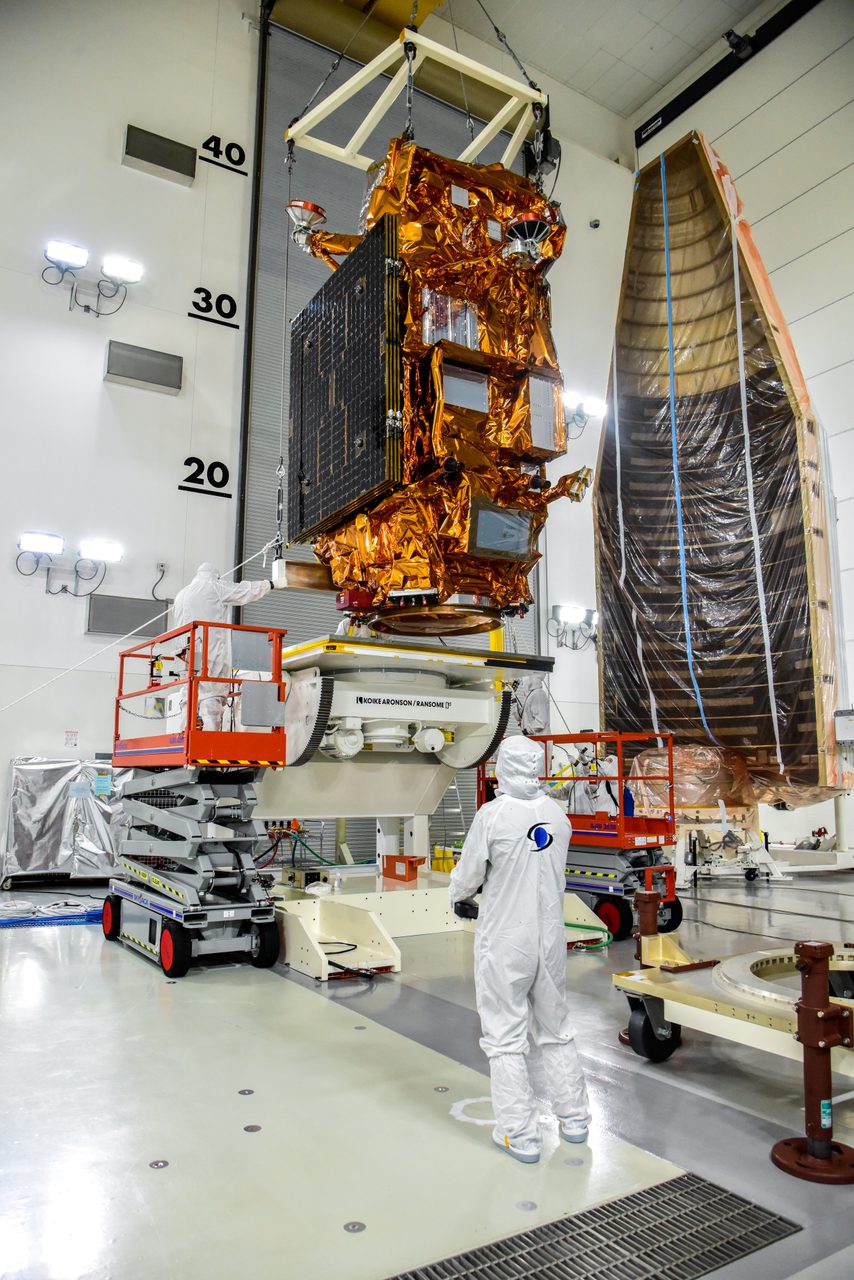
LEO is characterised by its proximity to Earth, ranging from 160 to 2,000 kilometres above the planet's surface. This region is favoured for its relatively low energy requirements for satellite insertion and maintenance. Satellites in LEO have shorter orbital periods, typically around 90 to 120 minutes, allowing for frequent revisits to specific areas on Earth. The Orbital Radar glossary provides a comprehensive definition and context for LEO.
Why is LEO So Crowded?
The congestion in LEO is driven by the demand for satellite-based services, such as communications, Earth observation, and scientific research. The Starlink constellation alone accounts for a significant portion of this traffic, with 9,377 operational satellites and 959 currently raising their orbits. The ease of access and lower costs associated with reaching LEO make it an attractive option for both commercial and governmental entities. The types of orbits page details various orbital classifications and their uses.
The Challenge of Space Debris

Space debris poses a significant risk to operational satellites in LEO. With over 28,700 catalogued objects, including defunct satellites and spent rocket stages, the potential for collisions is a growing concern. Active close approaches being tracked currently number 21, highlighting the ongoing need for collision avoidance strategies. The Orbital Radar debris map provides real-time tracking of space debris and potential collision events.
How Do Satellites Maintain Their Orbits in LEO?
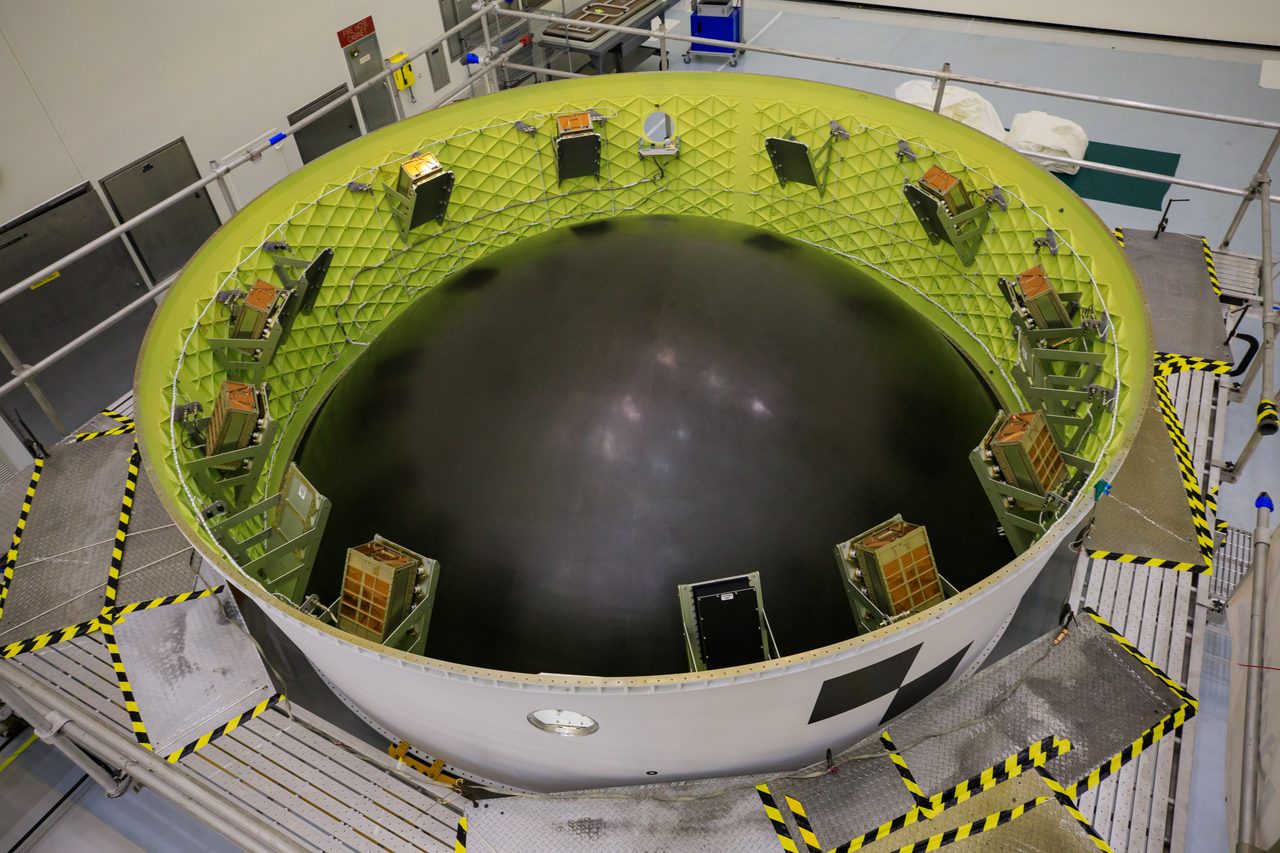
Satellites in LEO must regularly perform manoeuvres to counteract atmospheric drag, which gradually decreases their altitude. These adjustments, known as station-keeping, are essential for maintaining a stable orbit. Satellites like those in the Starlink constellation are equipped with propulsion systems to perform these manoeuvres autonomously. The process and technology behind these operations are explained in detail on the Space Agencies directory.
Key Takeaways
Low Earth Orbit is the most active region in space, with a high density of satellites and debris. Its accessibility makes it a prime location for a variety of satellite applications, but also presents challenges such as space debris management. Understanding the dynamics of LEO is crucial for future space missions and satellite operations.
Frequently Asked Questions
How many satellites are in low Earth orbit?
What is the altitude range of low Earth orbit?
Why is low Earth orbit important?
How does space debris affect low Earth orbit?
What are the challenges of maintaining satellites in low Earth orbit?
📎 Cite this article
Orbital Radar Newsroom. (2026). Understanding Low Earth Orbit: The Busiest Region in Space. Orbital Radar. https://orbitalradar.com/blog/low-earth-orbit-explained"Understanding Low Earth Orbit: The Busiest Region in Space." Orbital Radar, 25 June 2026, https://orbitalradar.com/blog/low-earth-orbit-explained.@misc{orbitalradar_low_earth_orbit_explained,
title = {Understanding Low Earth Orbit: The Busiest Region in Space},
author = {{Orbital Radar}},
year = {2026},
howpublished = {\url{https://orbitalradar.com/blog/low-earth-orbit-explained}}
}