What Is That Moving Light in the Night Sky? Explained
Moving lights in the night sky are often satellites or space debris. Learn how to identify them and understand their movement.
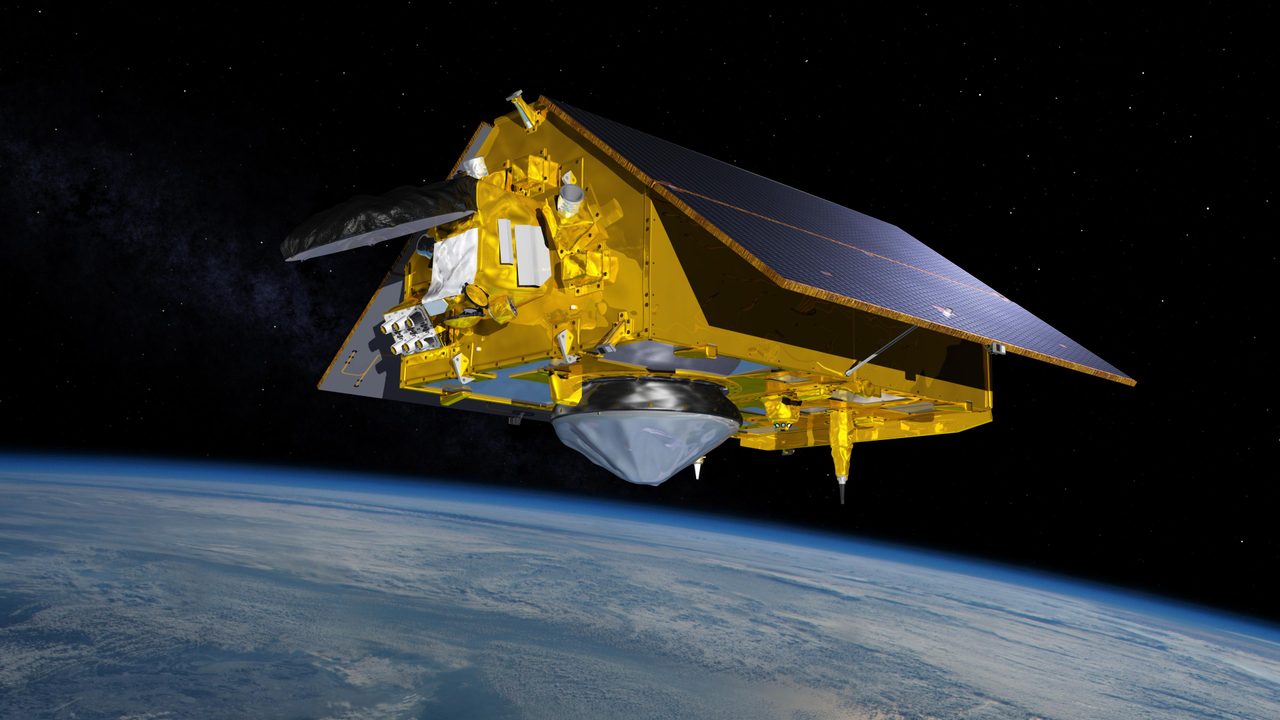
A moving light in the night sky is most commonly a satellite. With over 18,166 active satellites, including 10,701 Starlink satellites, these objects are frequently visible as they reflect sunlight. Satellites can be identified by their steady motion across the sky, unlike aircraft which have blinking lights.
How Do Satellites Reflect Sunlight?

Satellites reflect sunlight due to their metallic surfaces. As they orbit Earth, they catch sunlight and reflect it back to observers on the ground. This phenomenon is most visible shortly after sunset or before sunrise, when the sky is dark but the satellite is still illuminated by the Sun. The Orbital Radar pass predictor can help determine when a satellite will be visible from your location.
Understanding Satellite Orbits
Satellites orbit Earth in various paths, including low Earth orbit (LEO), medium Earth orbit (MEO), and geostationary orbit (GEO). LEO satellites, such as those in the Starlink constellation, orbit at altitudes of 200 to 2,000 kilometres. These orbits allow for frequent visibility as they complete multiple orbits per day. The Orbital Radar Skylens provides real-time tracking of these objects.
The Role of Space Debris

Not all moving lights are operational satellites; some are space debris. With a total of 28,908 catalogued objects, space debris includes defunct satellites and fragments from disintegrated spacecraft. These objects can appear as moving lights, especially when they tumble and reflect sunlight intermittently. The Orbital Radar debris map offers insights into the current state of space debris.
Why Satellites Matter for Astronomy
While satellites are crucial for communication and observation, their proliferation poses challenges for astronomers. The planned deployment of 1.7 million satellites could significantly impact astronomical observations. Studies suggest this could be 'devastating' for the field, as satellites can create streaks on telescope images, complicating data analysis.
Key Takeaways
Moving lights in the sky are primarily satellites or space debris. With tools like the Orbital Radar pass predictor, enthusiasts can track these objects. Understanding their orbits and impact on astronomy is essential as the number of satellites continues to grow.
Frequently Asked Questions
What is the bright moving light in the sky?
How can I identify a satellite?
Can space debris be seen from Earth?
How do I know when a satellite will pass over my location?
Why are there so many satellites in orbit?
📎 Cite this article
Orbital Radar Newsroom. (2026). What Is That Moving Light in the Night Sky? Explained. Orbital Radar. https://orbitalradar.com/blog/moving-light-in-sky-explained"What Is That Moving Light in the Night Sky? Explained." Orbital Radar, 5 July 2026, https://orbitalradar.com/blog/moving-light-in-sky-explained.@misc{orbitalradar_moving_light_in_sky_explained,
title = {What Is That Moving Light in the Night Sky? Explained},
author = {{Orbital Radar}},
year = {2026},
howpublished = {\url{https://orbitalradar.com/blog/moving-light-in-sky-explained}}
}