Anti-Satellite Weapons: Understanding Their Impact and Risks
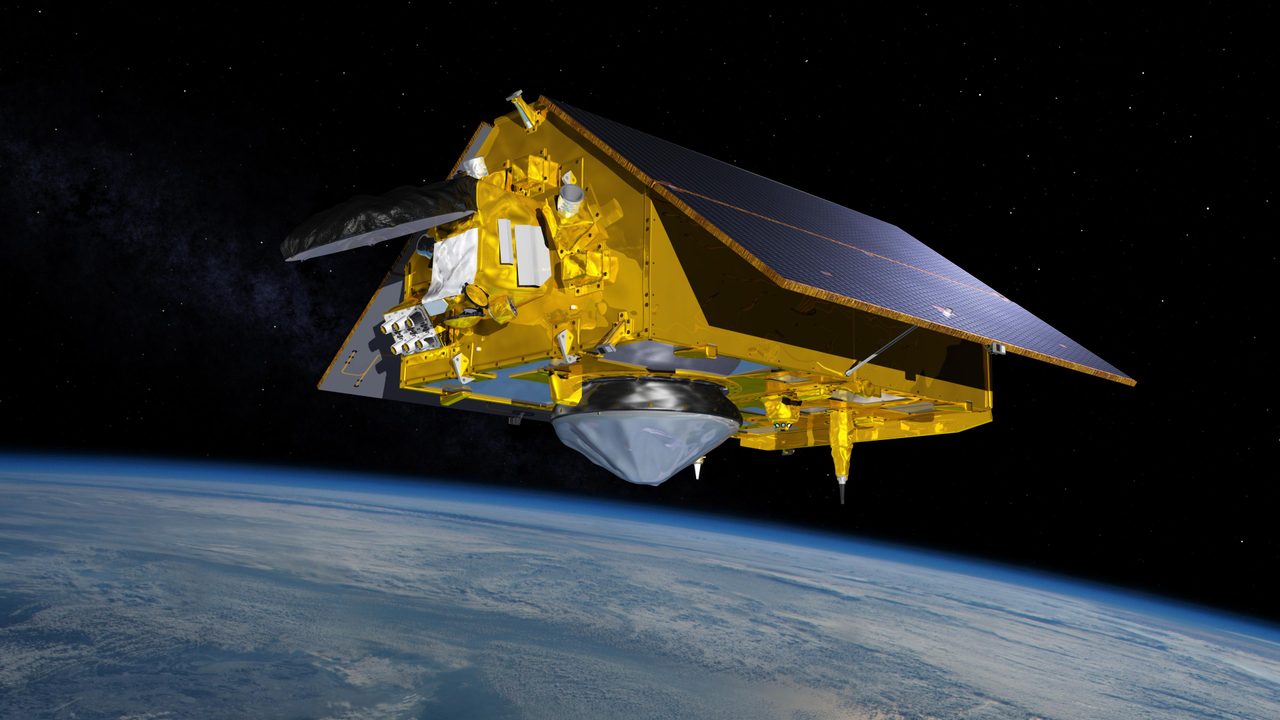
Anti-satellite weapons are designed to disable or destroy satellites. They pose significant risks to space operations due to debris creation.
Anti-satellite weapons (ASATs) are designed to incapacitate or destroy satellites in orbit. These systems have been tested by several countries, creating debris clouds that threaten operational satellites. Understanding ASATs is crucial for assessing their impact on both space security and the orbital environment.
What Are Anti-Satellite Weapons?
Anti-satellite weapons are military systems intended to destroy or disable enemy satellites. They can be ground-based missiles, laser systems, or even other satellites. The first successful ASAT test was conducted by the United States in 1959, using a Bold Orion missile to target an Explorer 6 satellite. Today, countries like the United States, Russia, China, and India have developed or tested ASAT capabilities.
How Do Anti-Satellite Weapons Work?
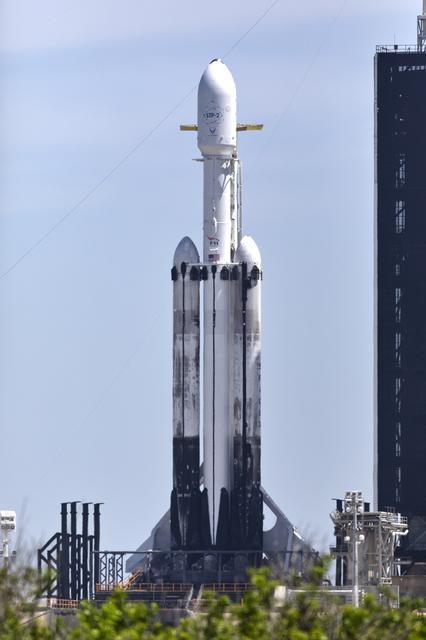
ASAT systems can operate through kinetic impact, directed energy, or cyber attacks. Kinetic ASATs, like those tested by China in 2007, physically collide with the target satellite, creating debris. Directed energy weapons use lasers to damage satellite components. Cyber attacks target satellite communications and control systems. Each method poses unique challenges and risks, particularly regarding debris generation.
The Impact of ASAT Tests on Space Debris

ASAT tests have significantly contributed to the space debris problem. The 2007 Chinese ASAT test against the Fengyun-1C satellite created over 3,000 pieces of trackable debris, many of which remain in orbit today. This debris poses collision risks to operational satellites and the International Space Station. The space debris statistics page provides detailed insights into the current debris environment.
Key ASAT Events: Cosmos 2251 and Iridium 33
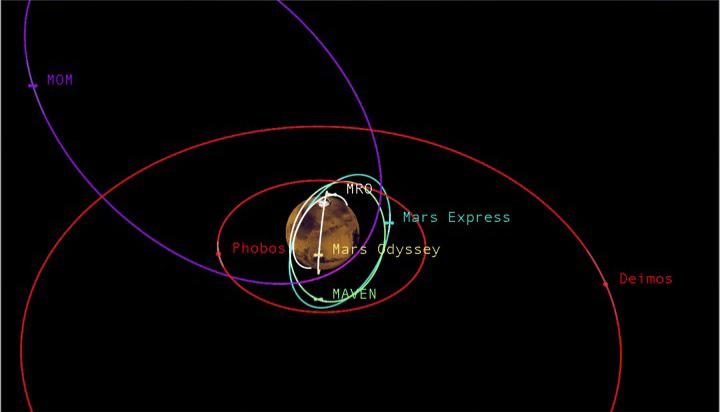
In 2009, the accidental collision between the inactive Russian satellite Cosmos 2251 and the operational Iridium 33 created a significant debris cloud. This event highlighted the dangers of space debris and the potential consequences of ASAT activities. More details on this incident can be found on the Cosmos 2251-Iridium 33 event page.
Global Response and Policy Implications
The use of ASATs has prompted international discussions on space security and the need for regulations. The Outer Space Treaty of 1967, while not specifically addressing ASATs, promotes the peaceful use of space. Recent discussions at the United Nations have focused on preventing an arms race in space and establishing norms for responsible behaviour.
Key Takeaways
Anti-satellite weapons pose significant risks to space operations by creating debris that endangers satellites and space stations. Understanding their mechanisms and impacts is crucial for developing policies that ensure the sustainability of space activities. Ongoing international dialogue is essential to prevent further escalation and promote the peaceful use of outer space.
Frequently Asked Questions
What are anti-satellite weapons?
How do anti-satellite weapons create debris?
Which countries have tested anti-satellite weapons?
What was the impact of the 2007 Chinese ASAT test?
How does space debris affect satellites?
📎 Cite this article
Orbital Radar Newsroom. (2026). Anti-Satellite Weapons: Understanding Their Impact and Risks. Orbital Radar. https://orbitalradar.com/blog/anti-satellite-weapons-explained"Anti-Satellite Weapons: Understanding Their Impact and Risks." Orbital Radar, 11 July 2026, https://orbitalradar.com/blog/anti-satellite-weapons-explained.@misc{orbitalradar_anti_satellite_weapons_explained,
title = {Anti-Satellite Weapons: Understanding Their Impact and Risks},
author = {{Orbital Radar}},
year = {2026},
howpublished = {\url{https://orbitalradar.com/blog/anti-satellite-weapons-explained}}
}