Understanding the Space Fence: Tracking Earth's Orbital Objects
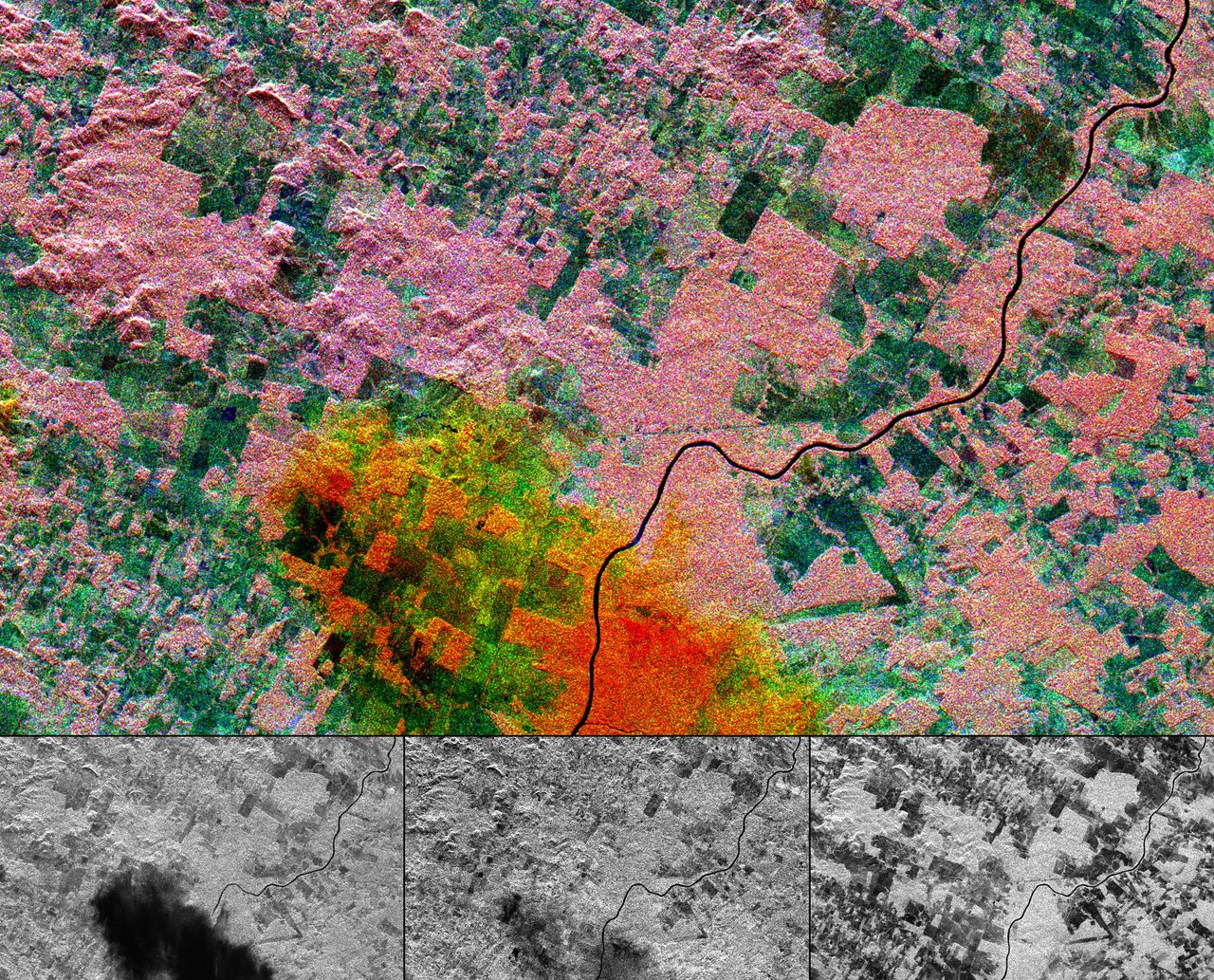
The Space Fence radar system tracks over 28,000 objects in Earth's orbit, from satellites to debris, ensuring space safety.
The Space Fence is a sophisticated radar system designed to track objects in Earth's orbit. Operated by the United States Space Force, it plays a crucial role in monitoring over 28,000 catalogued objects, including active satellites, defunct spacecraft, and space debris. This system helps maintain space situational awareness and prevent potential collisions.
How Does the Space Fence Work?
The Space Fence operates using advanced S-band radar technology, which allows it to detect objects as small as 10 centimetres in low Earth orbit (LEO). Located on Kwajalein Atoll in the Marshall Islands, the radar system can track multiple objects simultaneously across a wide range of altitudes and inclinations. This capability is essential for cataloguing the vast number of objects currently in orbit, including 18,228 active satellites and 28,937 total catalogued objects.
Why is the Space Fence Important?
The importance of the Space Fence lies in its ability to enhance space situational awareness. By providing precise data on the position and trajectory of orbital objects, it aids in collision avoidance for both manned and unmanned spacecraft. With 12 active close approaches being tracked, the system's data is vital for planning satellite manoeuvres and ensuring the safety of astronauts aboard the International Space Station (ISS).
Space Fence vs. Previous Tracking Systems
Compared to previous systems, the Space Fence offers improved sensitivity and coverage. Earlier radars, such as the Air Force Space Surveillance System (AFSSS), had limitations in detecting smaller debris and required multiple installations to cover the same area. The Space Fence's single-site design and advanced radar capabilities provide a more comprehensive and efficient solution for tracking space debris, which includes 8,819 debris pieces and 1,885 rocket bodies.
Space Fence and Space Debris Management
Space debris poses a significant threat to operational satellites and the long-term sustainability of space activities. The Space Fence contributes to debris management by continuously monitoring the debris environment and providing data for collision risk assessments. With an estimated 15,800 tonnes of mass in orbit, effective debris tracking is crucial for preventing potential incidents and maintaining the safety of space operations.
Key Takeaways
The Space Fence is a critical component of modern space situational awareness, offering unparalleled tracking capabilities for a wide range of orbital objects. Its advanced radar technology ensures the safety of current and future space missions by providing accurate data for collision avoidance and debris management. As the number of objects in orbit continues to grow, systems like the Space Fence will be increasingly important for maintaining a sustainable space environment.
Frequently Asked Questions
What is the Space Fence radar system?
How does the Space Fence improve space safety?
Where is the Space Fence located?
How many objects can the Space Fence track?
Why was the Space Fence developed?
📎 Cite this article
Orbital Radar Newsroom. (2026). Understanding the Space Fence: Tracking Earth's Orbital Objects. Orbital Radar. https://orbitalradar.com/blog/space-fence-explained"Understanding the Space Fence: Tracking Earth's Orbital Objects." Orbital Radar, 10 July 2026, https://orbitalradar.com/blog/space-fence-explained.@misc{orbitalradar_space_fence_explained,
title = {Understanding the Space Fence: Tracking Earth's Orbital Objects},
author = {{Orbital Radar}},
year = {2026},
howpublished = {\url{https://orbitalradar.com/blog/space-fence-explained}}
}