Understanding Orbital Decay: Why Satellites Fall to Earth
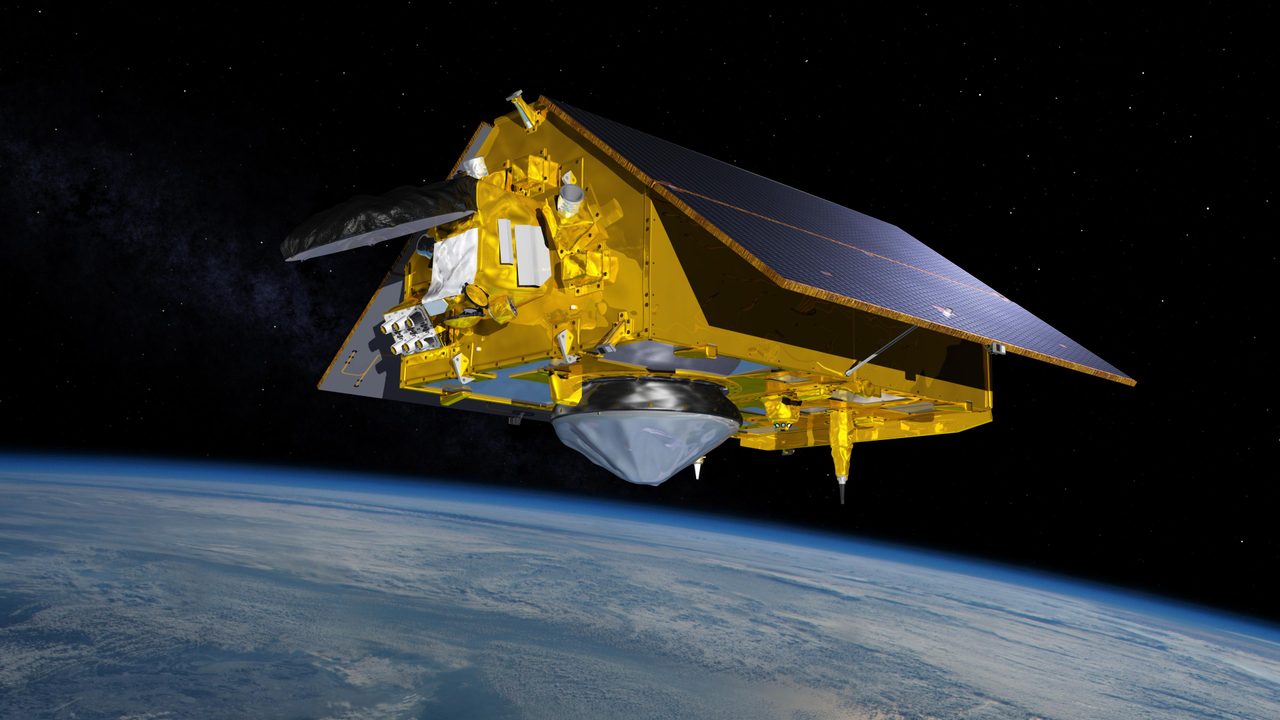
Orbital decay occurs when a satellite's orbit decreases over time due to atmospheric drag and gravitational forces, eventually leading to re-entry.
Orbital decay is the process by which a satellite's altitude decreases over time, ultimately leading to its re-entry into Earth's atmosphere. This phenomenon is primarily caused by atmospheric drag and gravitational perturbations. Understanding orbital decay is crucial for managing the lifespan of satellites and mitigating space debris.
How Does Orbital Decay Occur?
Orbital decay occurs when a satellite in low Earth orbit (LEO) experiences drag from the residual atmosphere. Although the atmosphere is thin at these altitudes, it is sufficient to slow down the satellite, causing it to lose altitude. Gravitational forces from the Earth, the Moon, and the Sun can also alter the satellite's trajectory. For a detailed explanation, refer to our orbital decay page.
The Role of Atmospheric Drag
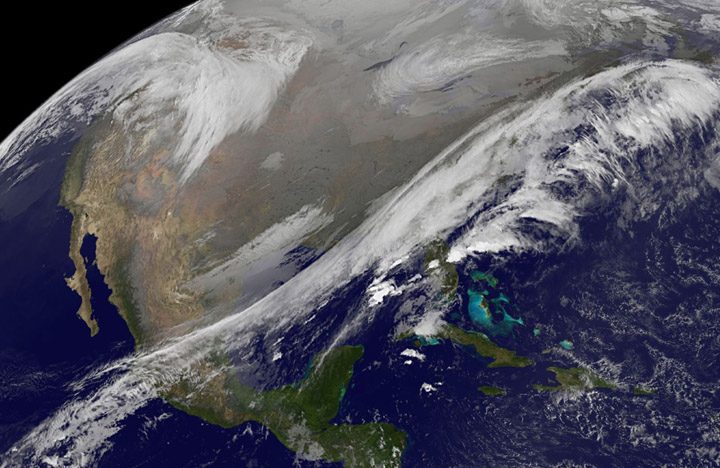
Atmospheric drag is the frictional force exerted by the Earth's atmosphere on satellites. As a satellite travels through the upper layers of the atmosphere, it encounters particles that slow it down. This deceleration reduces the satellite's kinetic energy, causing it to descend to lower orbits. The effect of drag is more pronounced during periods of high solar activity, which can increase atmospheric density.
Gravitational Perturbations and Their Impact

Gravitational perturbations from celestial bodies can affect a satellite's orbit. The gravitational pull from the Moon and the Sun can cause small changes in the satellite's trajectory, which over time, can contribute to orbital decay. These perturbations are more significant for satellites in higher orbits but can still impact those in LEO.
Why Does Orbital Decay Matter?
Understanding and predicting orbital decay is essential for satellite operations and space debris management. Satellites that are not properly deorbited can become space debris, posing collision risks to other spacecraft. With over 28,933 tracked objects, including 8,890 pieces of debris, effective management is crucial. The satellite re-entry tracker helps monitor these events.
Managing Orbital Decay: Strategies and Technologies
To mitigate the effects of orbital decay, satellite operators can perform manoeuvres to raise or adjust orbits. Technologies like propulsion systems are used to counteract drag and extend mission lifespans. Additionally, end-of-life plans, such as controlled deorbiting, are implemented to ensure satellites re-enter safely, reducing space debris.
Key Takeaways
Orbital decay is an inevitable process for satellites in low Earth orbit, driven by atmospheric drag and gravitational forces. Understanding this process is vital for satellite management and space debris mitigation. With over 18,159 active satellites, proactive measures are essential to maintain a sustainable space environment.
Frequently Asked Questions
What is orbital decay in satellites?
How long does it take for a satellite to decay?
Can orbital decay be prevented?
What happens when a satellite re-enters the atmosphere?
Why is orbital decay important to monitor?
📎 Cite this article
Orbital Radar Newsroom. (2026). Understanding Orbital Decay: Why Satellites Fall to Earth. Orbital Radar. https://orbitalradar.com/blog/orbital-decay-explained"Understanding Orbital Decay: Why Satellites Fall to Earth." Orbital Radar, 1 July 2026, https://orbitalradar.com/blog/orbital-decay-explained.@misc{orbitalradar_orbital_decay_explained,
title = {Understanding Orbital Decay: Why Satellites Fall to Earth},
author = {{Orbital Radar}},
year = {2026},
howpublished = {\url{https://orbitalradar.com/blog/orbital-decay-explained}}
}