Aqua: Tracking Earth's Water Cycle from Orbit
Launched on 4 May 2002, Aqua is a NASA Earth Science satellite designed to observe the Earth's water cycle. Part of the Earth Observing System (EOS), Aqua's primary mission is to collect data on precipitation, evaporation, and the cycling of water.
What is Aqua?
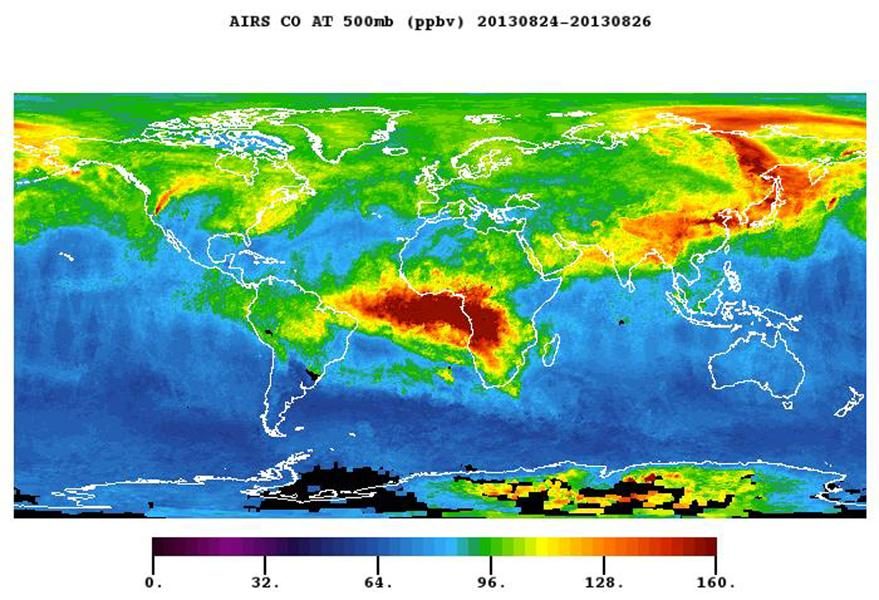
Launched on 4 May 2002, Aqua is a NASA Earth Science satellite designed to observe the Earth's water cycle. Part of the Earth Observing System (EOS), Aqua's primary mission is to collect data on precipitation, evaporation, and the cycling of water. The satellite is equipped with six instruments, including the Atmospheric Infrared Sounder (AIRS) and the Advanced Microwave Scanning Radiometer for EOS (AMSR-E), which provide critical data for understanding climate and weather patterns.
Mission and Purpose
Aqua's mission focuses on understanding the role of water in the Earth's climate system. By measuring variables such as sea surface temperature, cloud cover, and atmospheric humidity, Aqua helps scientists improve weather forecasting models and climate predictions. The data collected by Aqua contributes to a better understanding of how water and energy are exchanged between the ocean and the atmosphere, and how these processes affect global climate change.
Orbital Characteristics
Aqua operates in a Sun-synchronous orbit, which allows it to pass over the same part of the Earth at approximately the same local solar time each day. This orbit has an altitude of about 705 kilometres and an inclination of 98.2 degrees, enabling comprehensive coverage of the Earth's surface. Aqua completes an orbit approximately every 99 minutes. The satellite's NORAD ID is 27424, and it is part of the 'A-Train' constellation, a series of satellites flying in close proximity for coordinated Earth observations.
Significance and Legacy
Since its launch, Aqua has played a pivotal role in advancing our understanding of the Earth's water cycle and climate system. Its data has been instrumental in numerous scientific studies, leading to over 4,000 peer-reviewed publications. Aqua's observations have improved weather forecasts, enhanced climate models, and contributed to disaster response efforts by providing real-time data on natural events such as hurricanes and floods. The satellite's legacy continues as it provides invaluable data for climate research and environmental monitoring.
Current Status
As of 2023, Aqua remains operational and continues to deliver valuable data. While some of its instruments have experienced degradation over time, the satellite still contributes significantly to Earth observation missions. NASA has extended Aqua's mission multiple times, reflecting its ongoing importance to climate science. For those interested in tracking Aqua's current position and observing opportunities, the Orbital Radar pass predictor provides detailed information on visible passes.