Satellite Encyclopedia In-depth profiles of notable satellites, from Vanguard 1 to Starlink.
Tracking 86 published posts in this series.
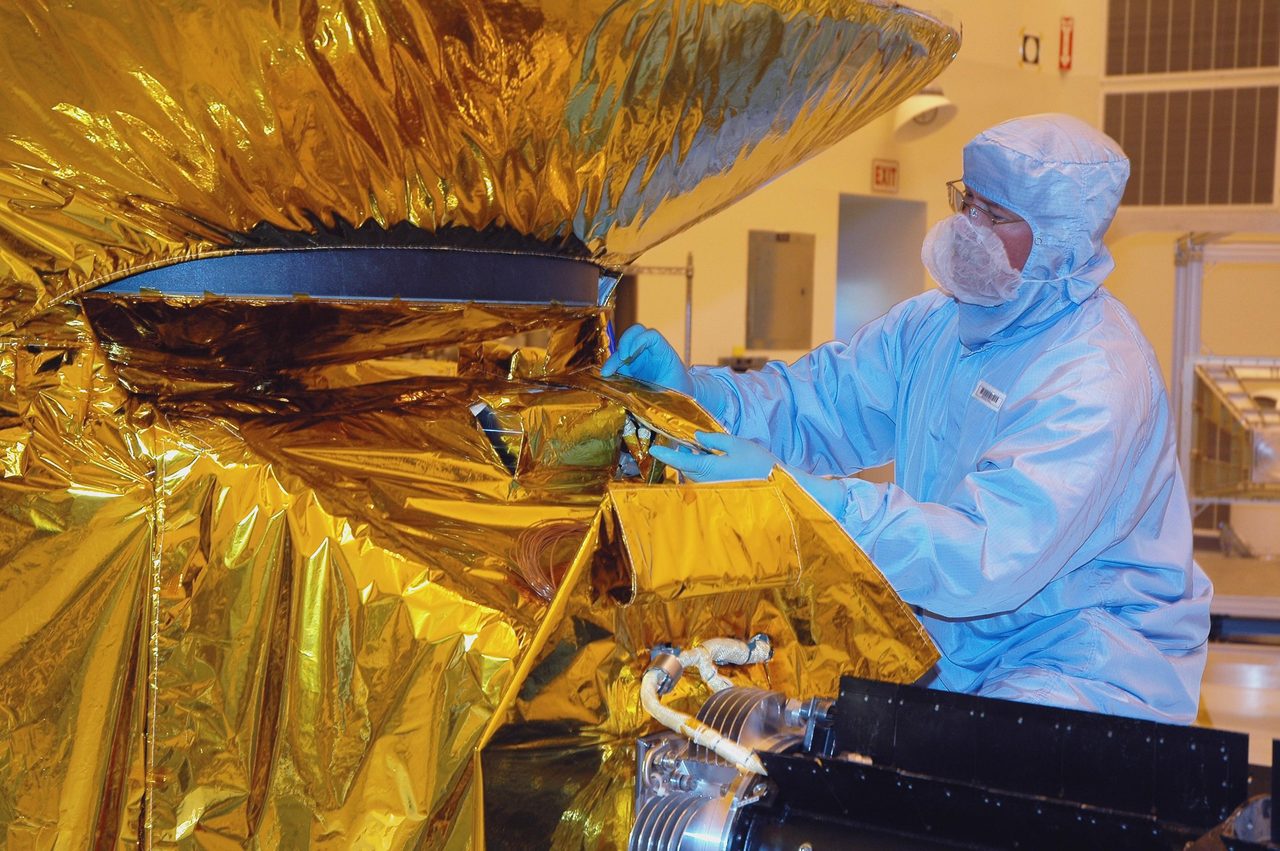
New Horizons: The Pluto Flyby Probe
New Horizons is a NASA space probe launched to study Pluto and its moons, as well as other objects in the Kuiper Belt. Launched on 19 January 2006, it was the first mission to explore Pluto up close, providing unprecedented data and images of the dwarf planet and its satellites.
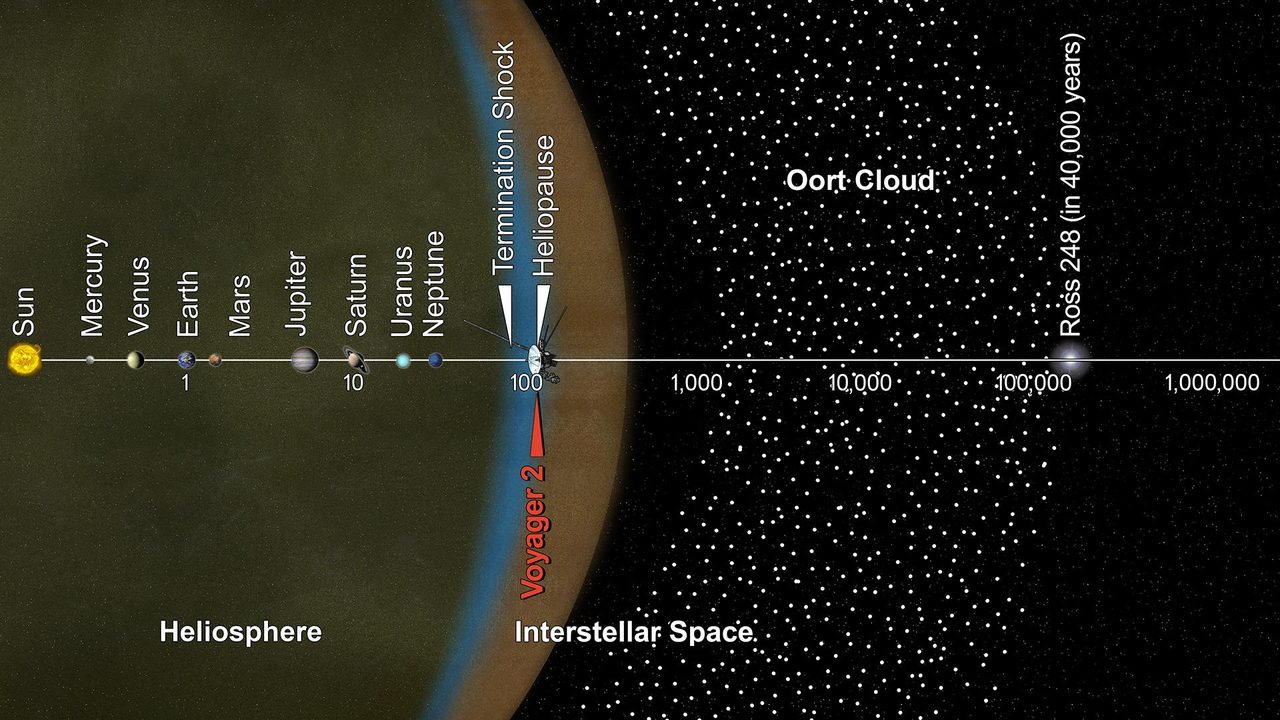
Voyager 1: Humanity's Most Distant Spacecraft
Voyager 1 is a space probe launched by NASA on 5 September 1977. It is part of the Voyager programme, which also includes its twin, Voyager 2.
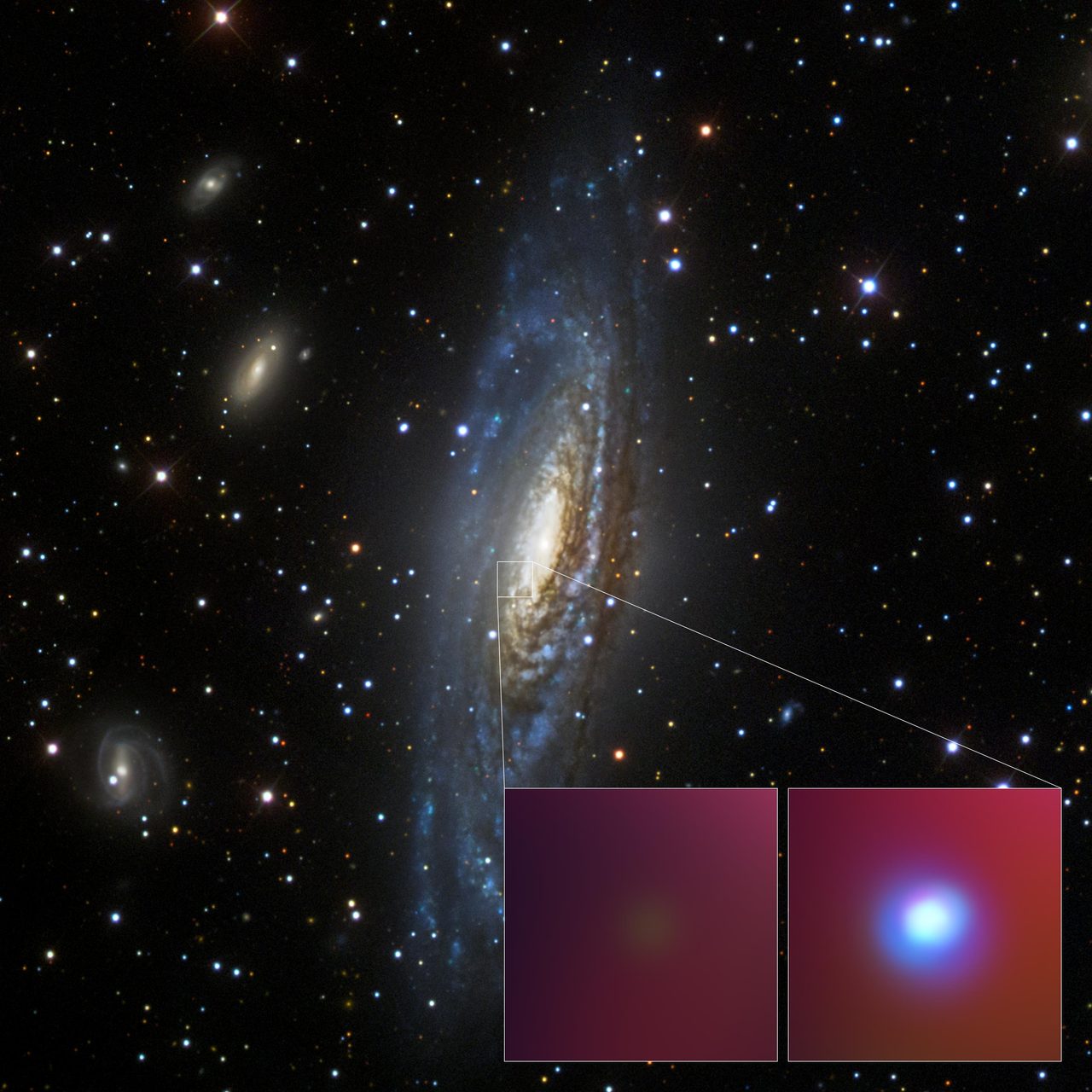
Chandra X-ray Observatory: High-Energy Astronomy
The Chandra X-ray Observatory is a flagship mission of NASA dedicated to X-ray astronomy, observing high-energy regions of the universe such as the remnants of exploded stars, clusters of galaxies, and matter around black holes. Launched on 23 July 1999 aboard the Space Shuttle Columbia (STS-93), Ch
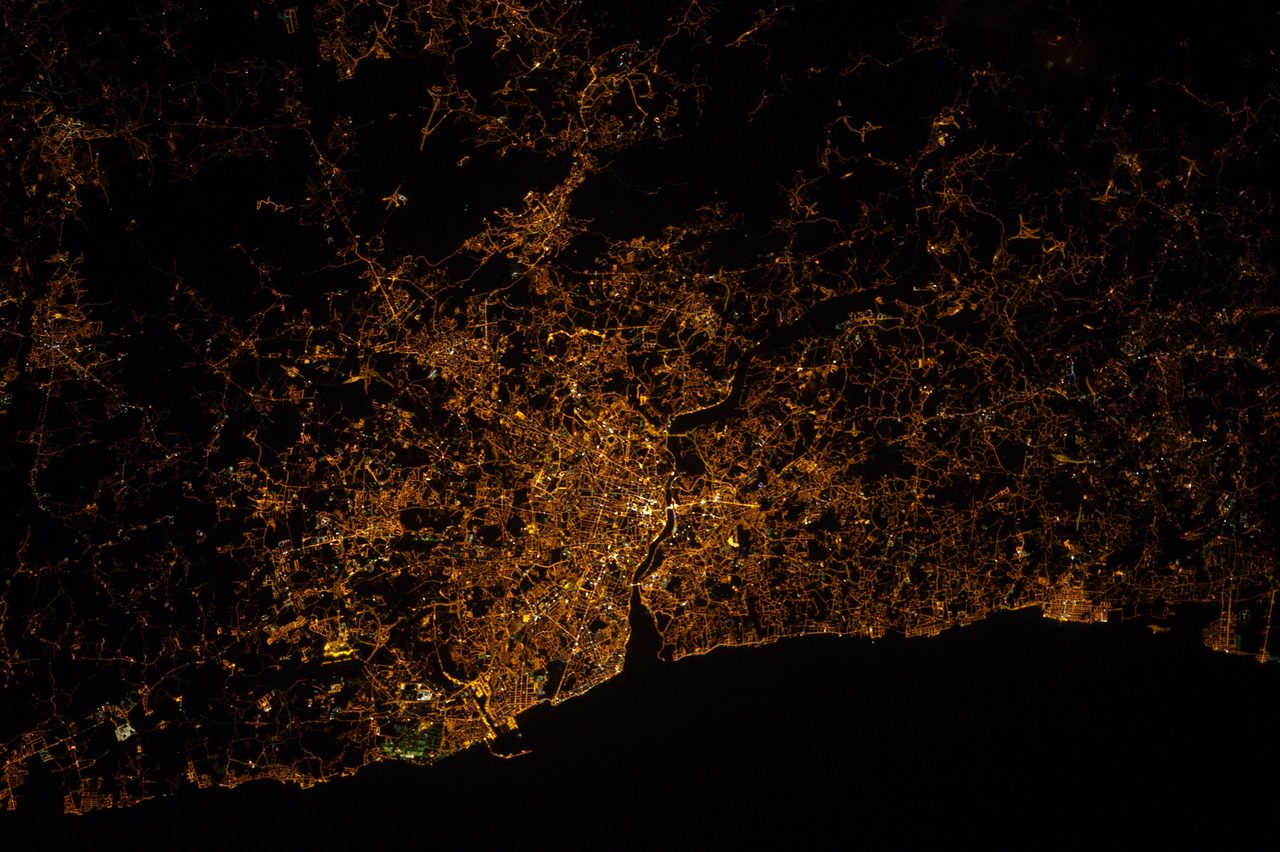
Gaia: ESA's Billion-Star Surveyor at L2
Launched by the European Space Agency (ESA) on 19 December 2013, Gaia is a space observatory designed to map the positions and motions of over a billion stars in our galaxy with unprecedented precision. The mission aims to construct a detailed 3D map of the Milky Way, providing insights into its com
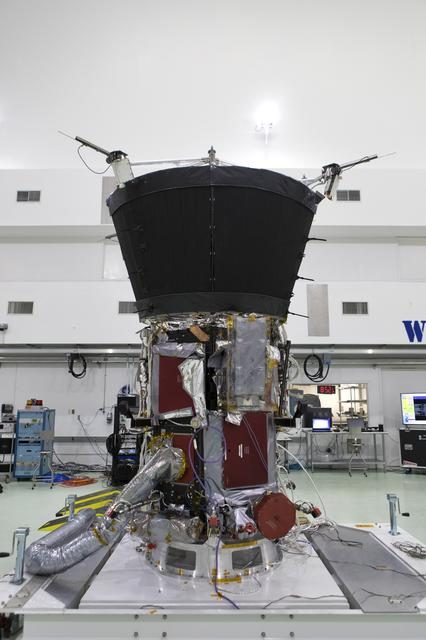
Parker Solar Probe: Touching the Sun
The Parker Solar Probe is a NASA spacecraft launched on 12 August 2018 with the mission to study the outer corona of the Sun. Named after solar astrophysicist Eugene Parker, it is the first spacecraft to fly into the low solar corona, providing unprecedented close-up observations of the Sun's atmosp
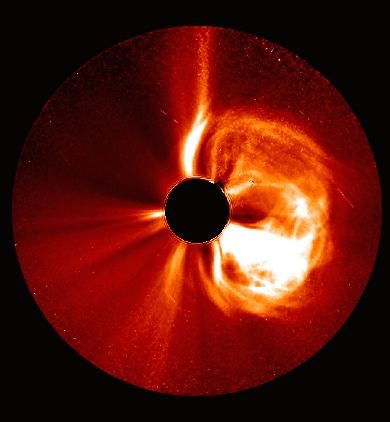
SOHO: Sun-Watching Observatory at L1
The Solar and Heliospheric Observatory (SOHO) is a collaborative project between the European Space Agency (ESA) and NASA, designed to study the Sun from its deep core to the outer corona and the solar wind. Launched on 2 December 1995, SOHO has been instrumental in providing continuous solar observ
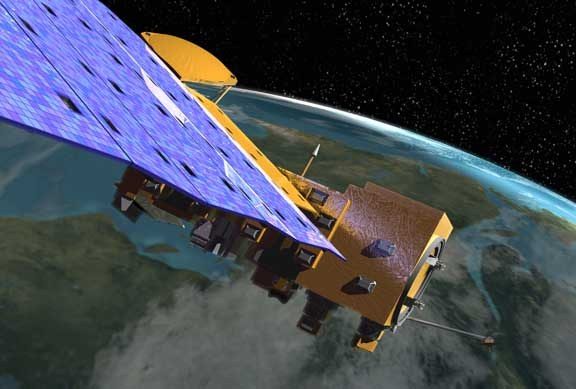
Aqua: Tracking Earth's Water Cycle from Orbit
Aqua is a NASA satellite dedicated to the study of Earth's water cycle, launched on 4 May 2002. It forms part of NASA's Earth Observing System (EOS) and is tasked with collecting data on precipitation, evaporation, and the cycling of water.
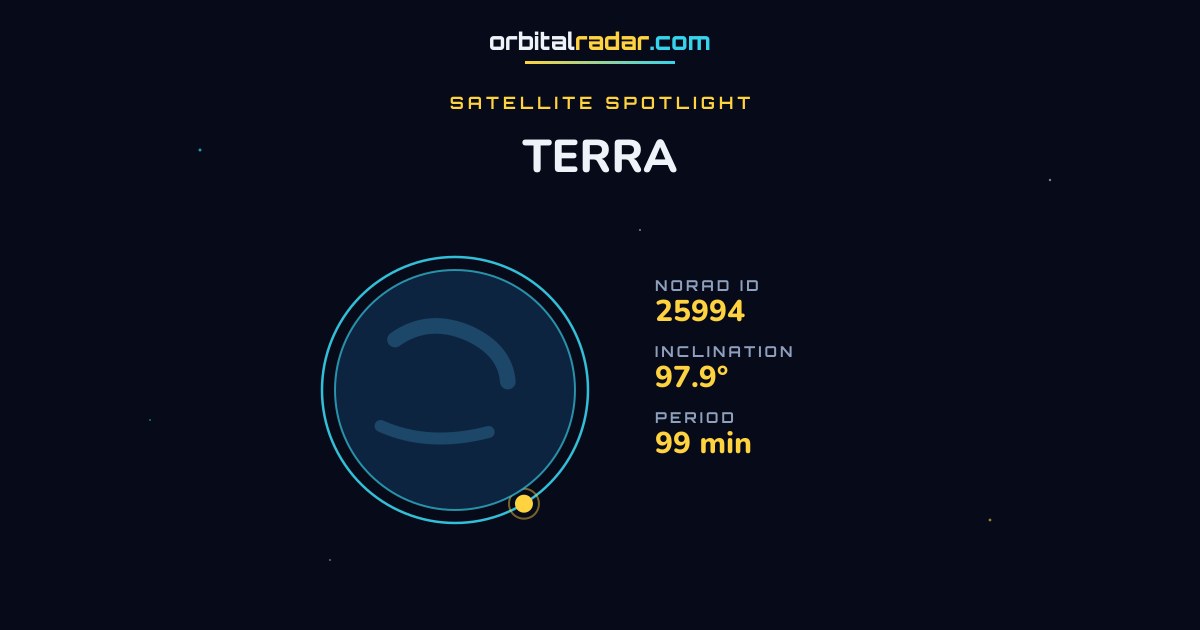
Terra: NASA's Earth Observing Flagship
Launched on 18 December 1999, Terra is NASA's flagship satellite for the Earth Observing System (EOS). It plays a crucial role in monitoring and understanding Earth's climate and environmental changes.
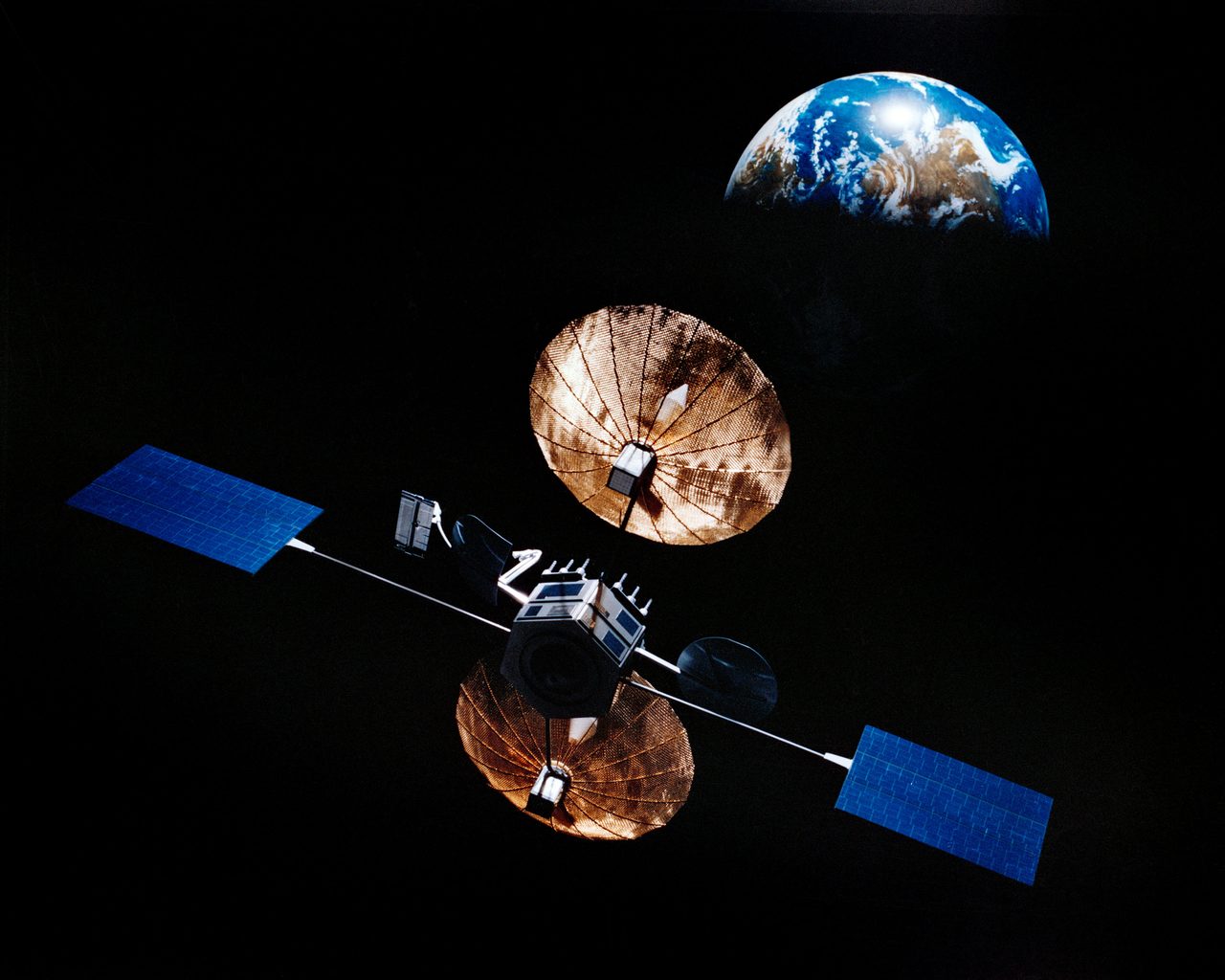
Understanding GLONASS-K: Russia's Navigation Satellite
GLONASS-K is a series of Russian navigation satellites forming part of the GLONASS (Global Navigation Satellite System) constellation. Developed by the Russian Aerospace Defence Forces, these satellites are designed to provide accurate positioning and timing information globally.
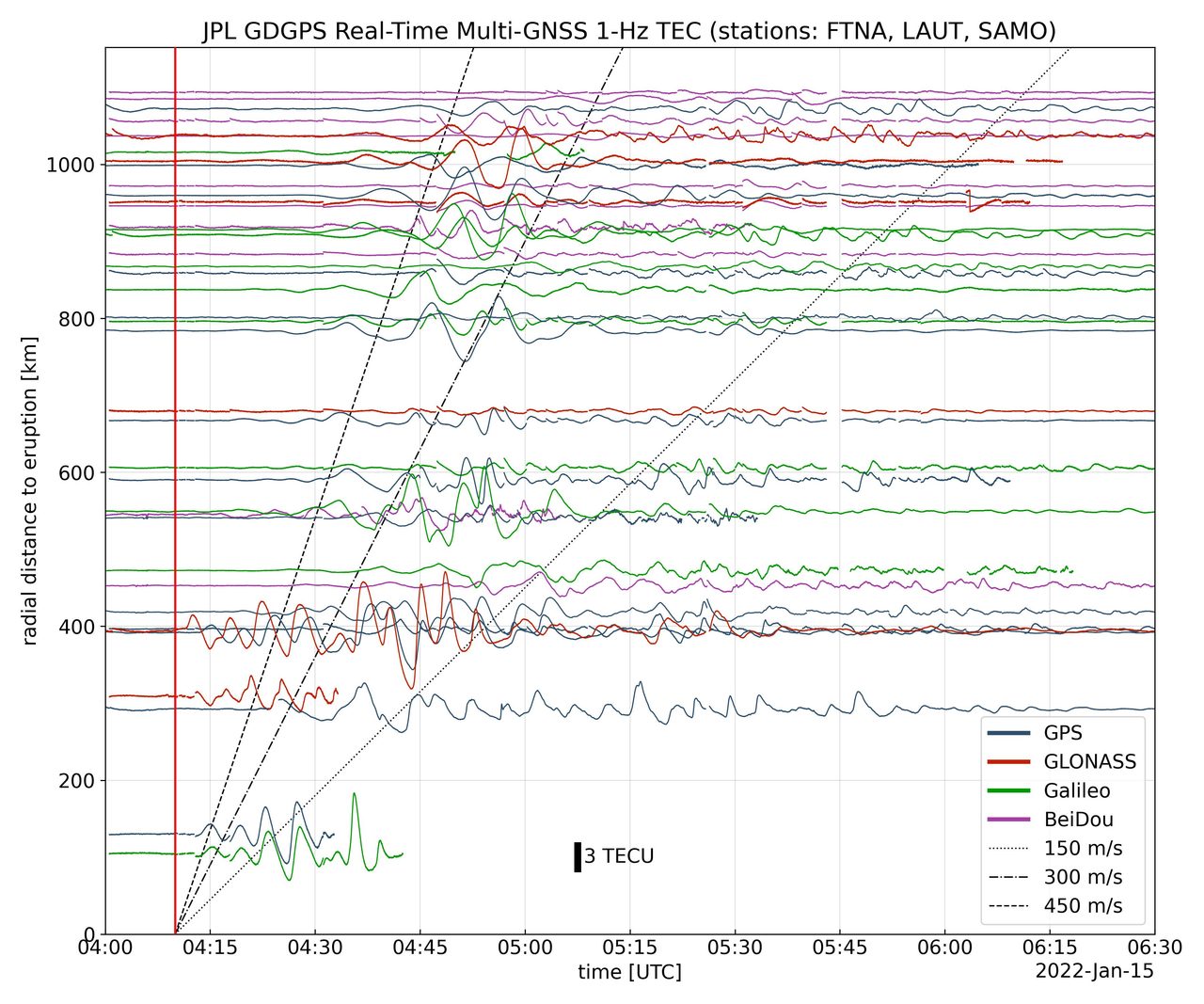
BeiDou-3: China's Global Navigation System
BeiDou-3 is the third generation of China's BeiDou Navigation Satellite System (BDS), which provides global navigation services. Officially completed in 2020, BeiDou-3 marks China's full entry into the global navigation satellite systems (GNSS) arena, alongside GPS (United States), GLONASS (Russia),
Galileo FOC: Europe's Navigation Constellation
Galileo FOC (Full Operational Capability) is the European Union's global navigation satellite system, designed to provide highly accurate positioning services worldwide. It is Europe's answer to the American GPS, Russian GLONASS, and Chinese BeiDou systems.
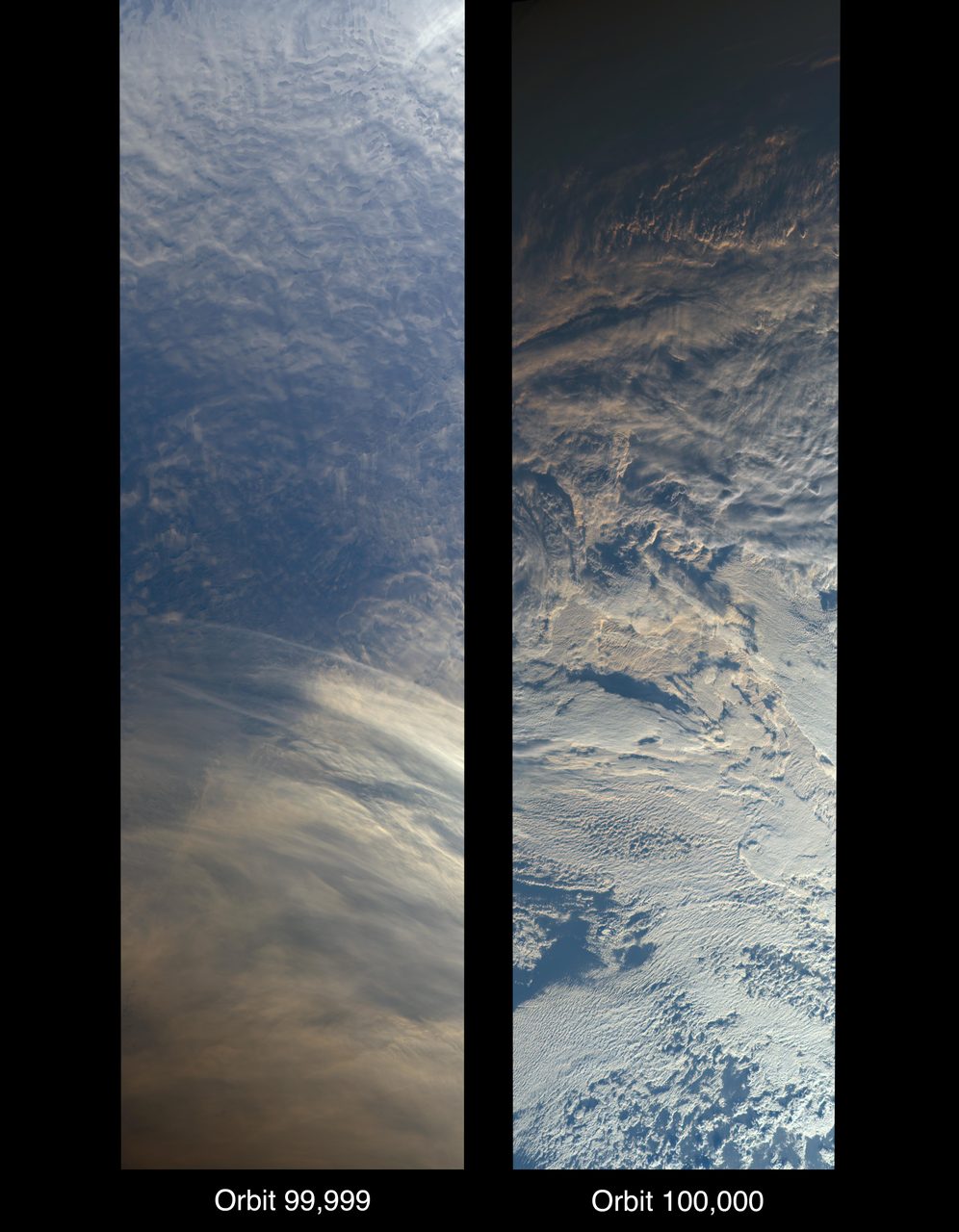
KH-11: The US Reconnaissance Satellite Family
The KH-11 satellite series, also known as Kennan, Crystal, or Keyhole, represents a family of American reconnaissance satellites. Introduced in the 1970s by the National Reconnaissance Office (NRO), these satellites are part of the United States' strategic intelligence-gathering capabilities.
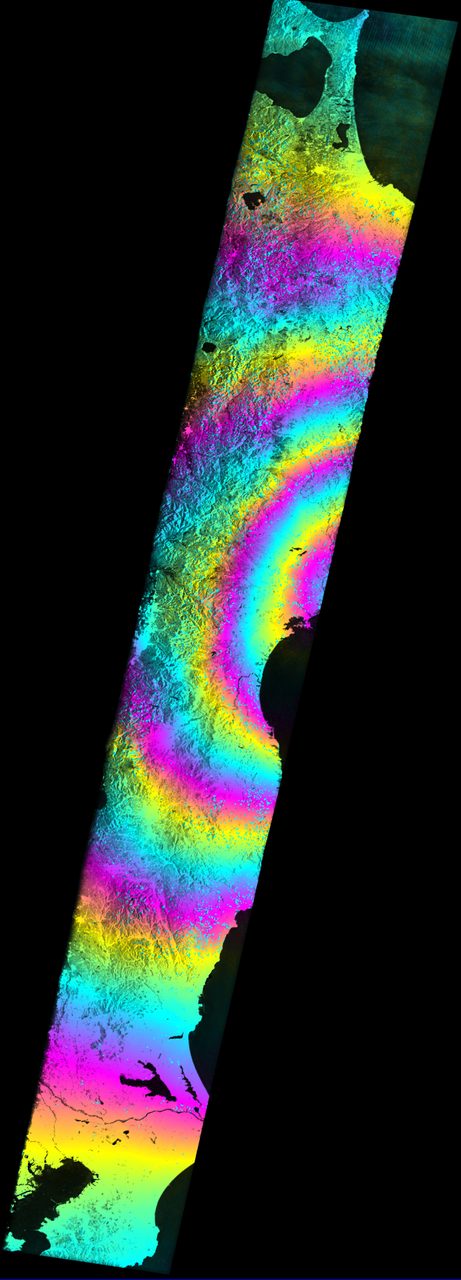
Envisat: The Giant Dead ESA Satellite and Collision Risk
Envisat, launched by the European Space Agency (ESA) on 1 March 2002, was one of the largest Earth observation satellites ever constructed. With a mass of approximately 8,200 kilograms, it carried ten sophisticated optical and radar instruments to monitor the Earth's land, atmosphere, oceans, and ic

Sputnik 1: The Satellite That Started the Space Age
Sputnik 1 was the first artificial satellite to orbit the Earth, marking the beginning of the Space Age. Launched by the Soviet Union on 4 October 1957, it was a 58 cm diameter polished metal sphere with four external radio antennas to broadcast radio pulses.
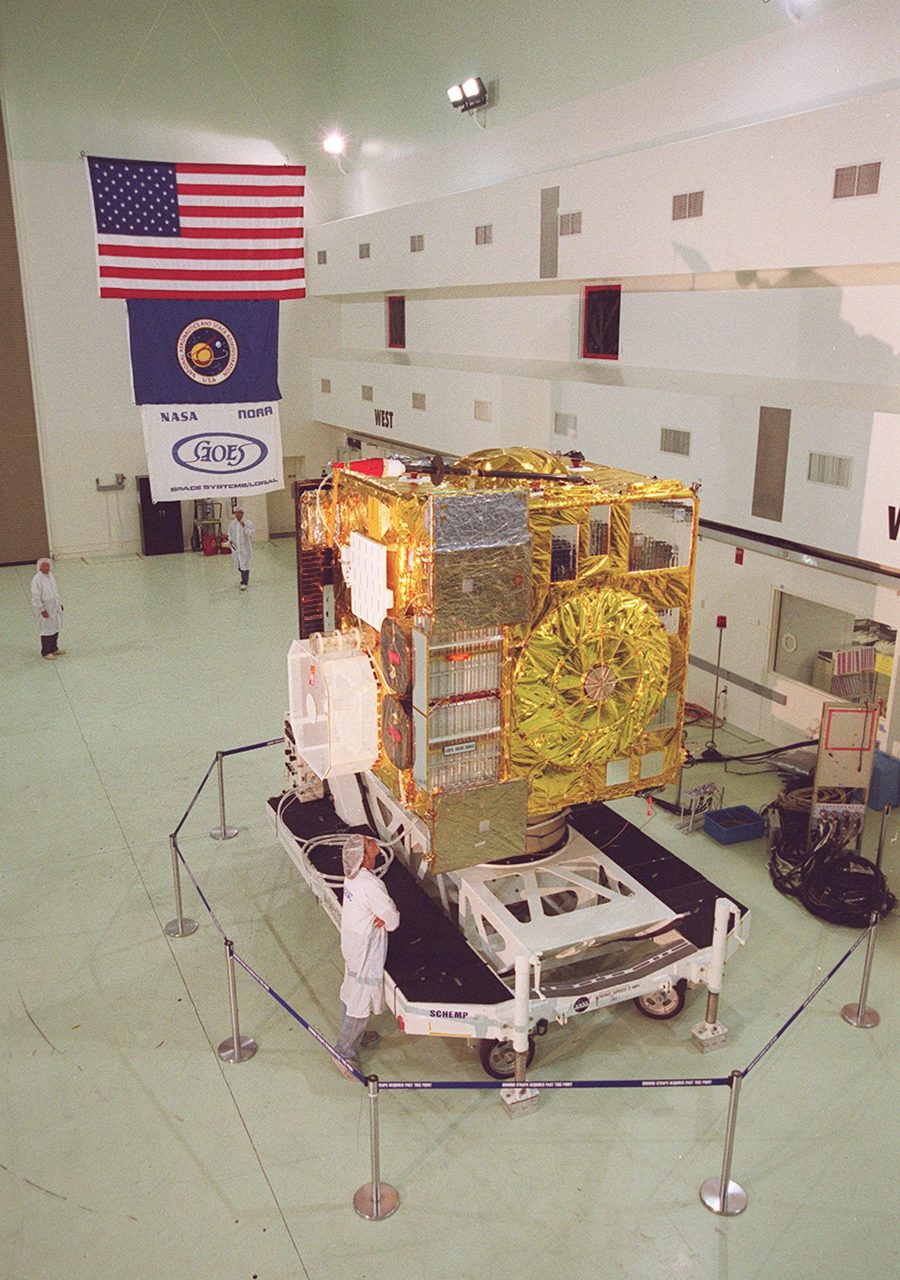
GOES-19: The Newest Geostationary Weather Eye
GOES-19 is the latest addition to the Geostationary Operational Environmental Satellites (GOES) series, managed by the National Oceanic and Atmospheric Administration (NOAA). This satellite is part of the GOES-R series, which includes GOES-16, GOES-17, and GOES-18.
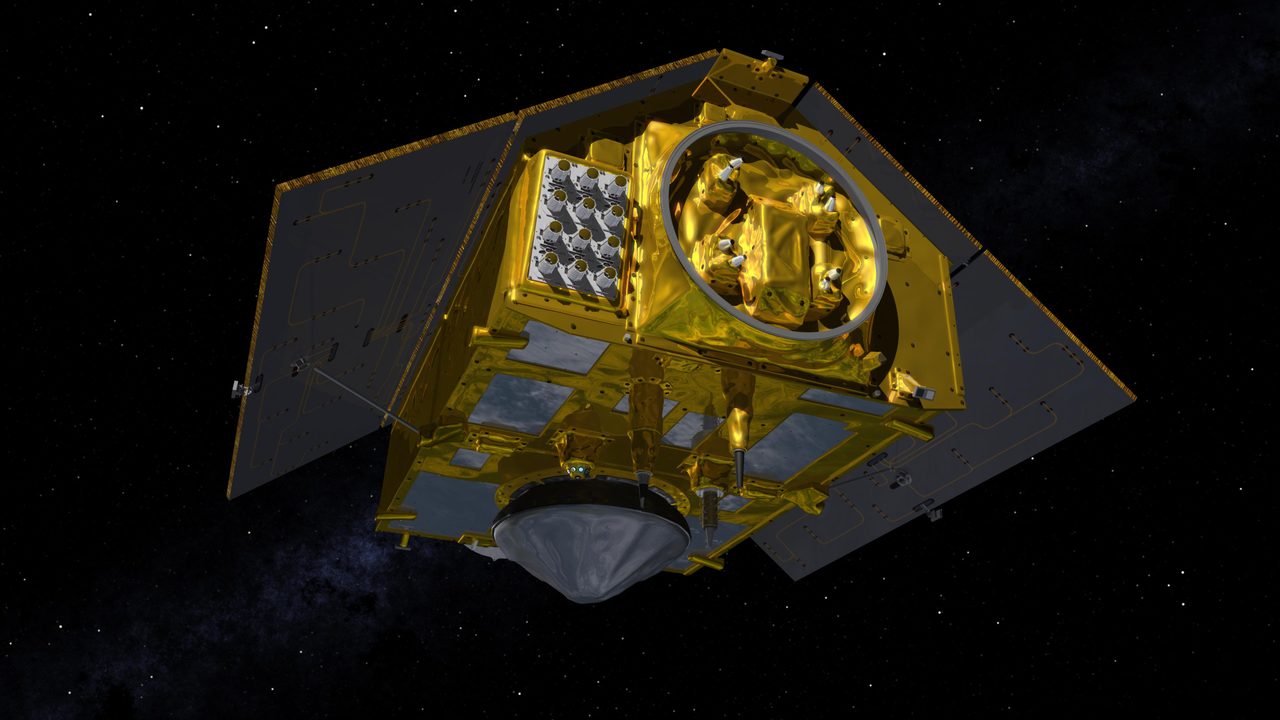
Sentinel-2: Europe's Copernicus Imaging Workhorse
Sentinel-2 is a part of the European Space Agency's (ESA) Copernicus programme, which is the world's largest Earth observation initiative. The Sentinel-2 mission consists of two identical satellites, Sentinel-2A and Sentinel-2B, designed to provide high-resolution optical imagery for environmental m
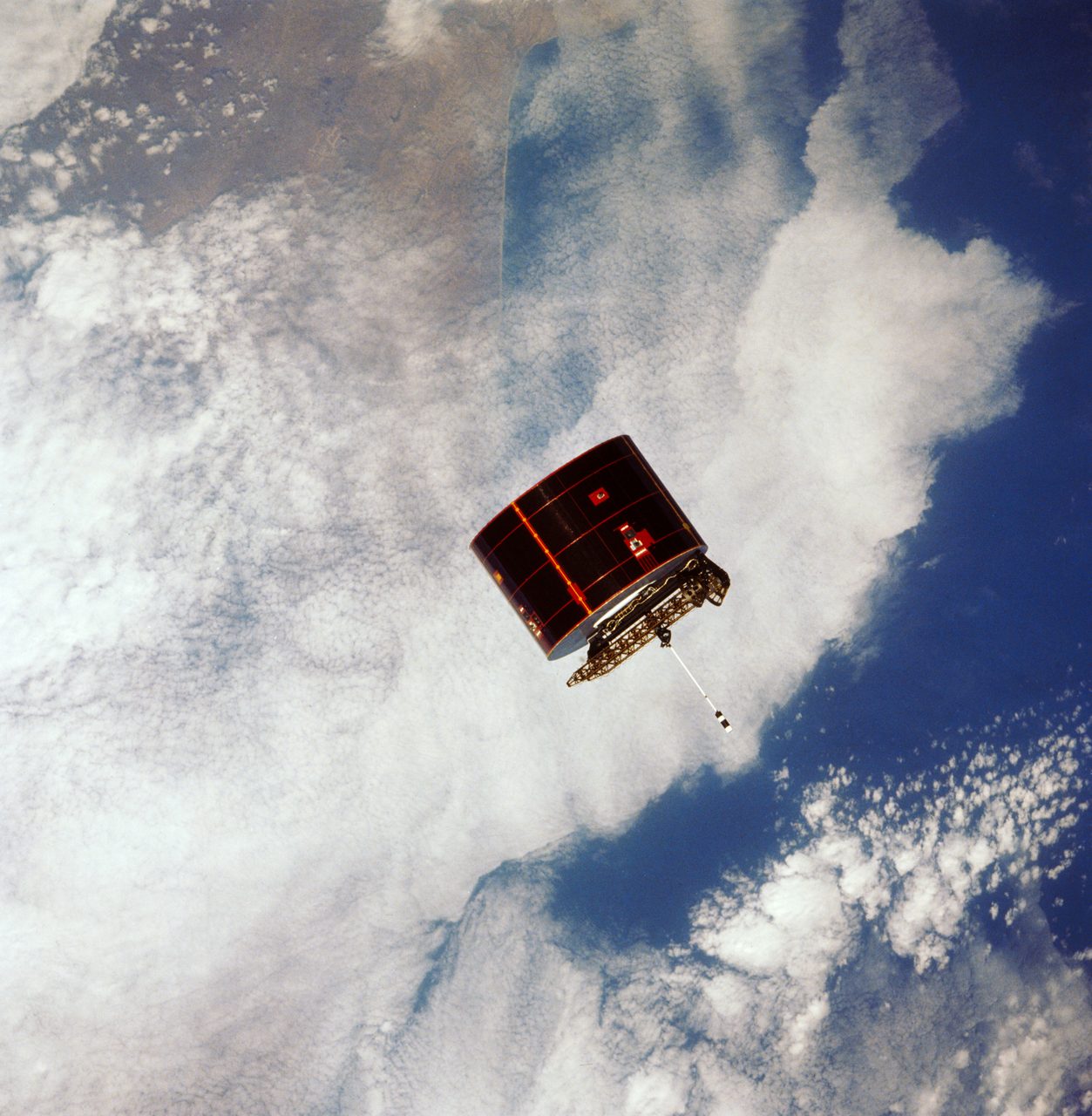
Fengyun-1C Debris: Legacy of the 2007 ASAT Test
Fengyun-1C was a Chinese weather satellite launched on 10 May 1999. It was part of the Fengyun series, operated by the China Meteorological Administration, designed to monitor atmospheric conditions and provide data for weather forecasting.
Groundlink: Your Free Satellite Look Angle Calculator
Discover how Orbital Radar's Groundlink tool offers precise satellite look-angle calculations, accessible for free in your browser.
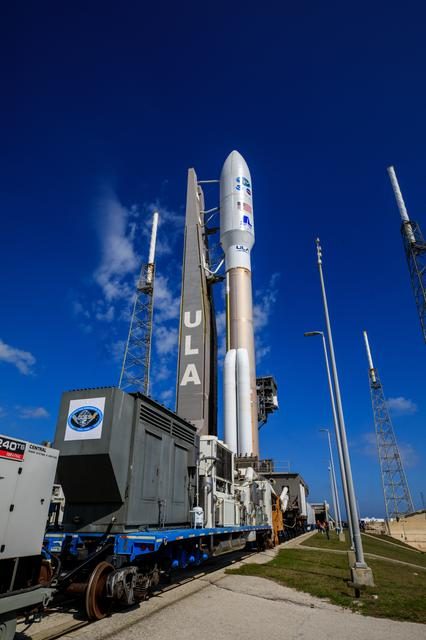
GOES-18: Geostationary Weather Sentinel
GOES-18, also known as GOES-T prior to its successful launch, is a geostationary weather satellite operated by the National Oceanic and Atmospheric Administration (NOAA). It is part of the Geostationary Operational Environmental Satellites (GOES) programme, which provides real-time weather data and
Long March Launch History: A Comprehensive Guide
Discover the Long March Hub, tracking every Chinese launch since 1970 with detailed data and insights.