TDRS: NASA's Geostationary Data Relay Network

The Tracking and Data Relay Satellite (TDRS) system is a network of American communications satellites that form part of NASA's Space Network. Established to provide continuous, high-data-rate communication with spacecraft, TDRS supports a range of missions, from the Hubble Space Telescope to the In
| Active satellites | 18,111 |
| Catalogued objects | 29,460 |
| Starlink active | 9,826 |
What is TDRS?
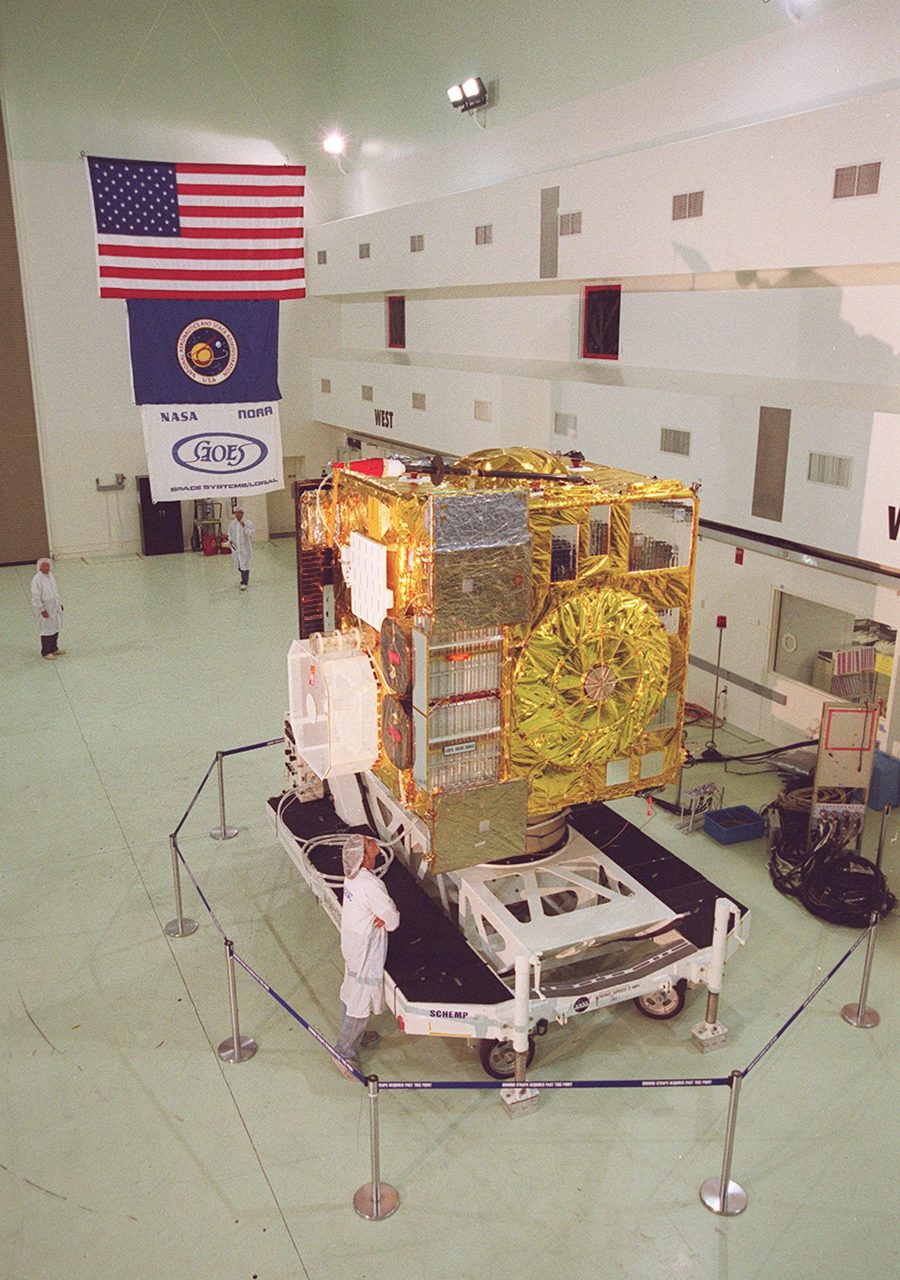
The Tracking and Data Relay Satellite (TDRS) system is a network of American communications satellites that form part of NASA's Space Network. Established to provide continuous, high-data-rate communication with spacecraft, TDRS supports a range of missions, from the Hubble Space Telescope to the International Space Station. The system was first launched in 1983, with the most recent addition, TDRS-M, entering service in 2017.
Mission and Purpose
TDRS satellites are designed to relay data between Earth and spacecraft in low Earth orbit (LEO). By operating in geostationary orbit, TDRS provides near-constant communication coverage, which is crucial for missions requiring real-time data transmission. The system supports various NASA missions, including scientific observations, human spaceflight, and Earth monitoring.
Orbital Characteristics
TDRS satellites are positioned in geostationary orbit, approximately 35,786 kilometres above the Earth's equator. This orbit allows them to match the Earth's rotation, maintaining a fixed position relative to the surface. Each satellite has a NORAD ID for tracking purposes; for example, TDRS-M is catalogued as NORAD ID 42915. The satellites have an orbital period of 24 hours, allowing them to provide continuous coverage over specific regions.
Significance and Legacy
The TDRS network has been pivotal in enabling continuous communication with spacecraft, significantly enhancing mission capabilities. Before TDRS, communication with satellites was often limited to short periods when they passed over ground stations. The introduction of TDRS revolutionised data relay, making it possible to conduct more complex missions with higher data demands. The network's legacy includes supporting iconic missions like the Hubble Space Telescope and the Space Shuttle programme.
Current Status
As of now, the TDRS network consists of nine operational satellites, with TDRS-M being the latest addition. The network continues to be a critical asset for NASA, supporting both current and future missions. According to Orbital Radar's live catalogue, 18,111 active satellites are currently in orbit, underscoring the importance of reliable communication networks like TDRS in managing this growing satellite population.
📎 Cite this article · data available
Orbital Radar Newsroom. (2026). TDRS: NASA's Geostationary Data Relay Network. Orbital Radar. https://orbitalradar.com/blog/tdrs-nasa-data-relay-network"TDRS: NASA's Geostationary Data Relay Network." Orbital Radar, 11 September 2026, https://orbitalradar.com/blog/tdrs-nasa-data-relay-network.@misc{orbitalradar_tdrs_nasa_data_relay_network,
title = {TDRS: NASA's Geostationary Data Relay Network},
author = {{Orbital Radar}},
year = {2026},
howpublished = {\url{https://orbitalradar.com/blog/tdrs-nasa-data-relay-network}}
}