Tracking the Tesla Roadster in Deep Space
Learn how the Tesla Roadster is tracked in deep space using Orbital Radar's advanced tools, and explore the science behind its journey.
| Active satellites | 18,055 |
| Catalogued objects | 29,407 |
| Starlink active | 9,821 |
The Tesla Roadster, launched aboard SpaceX's Falcon Heavy on 6 February 2018, orbits the Sun in an elliptical path that takes it beyond Mars. As of 2026, the Roadster remains in space, tracked by Orbital Radar's deep-space tool. This tool provides real-time data on its location and trajectory, offering insights into its journey through the solar system.
Understanding the Deep Space Tracker
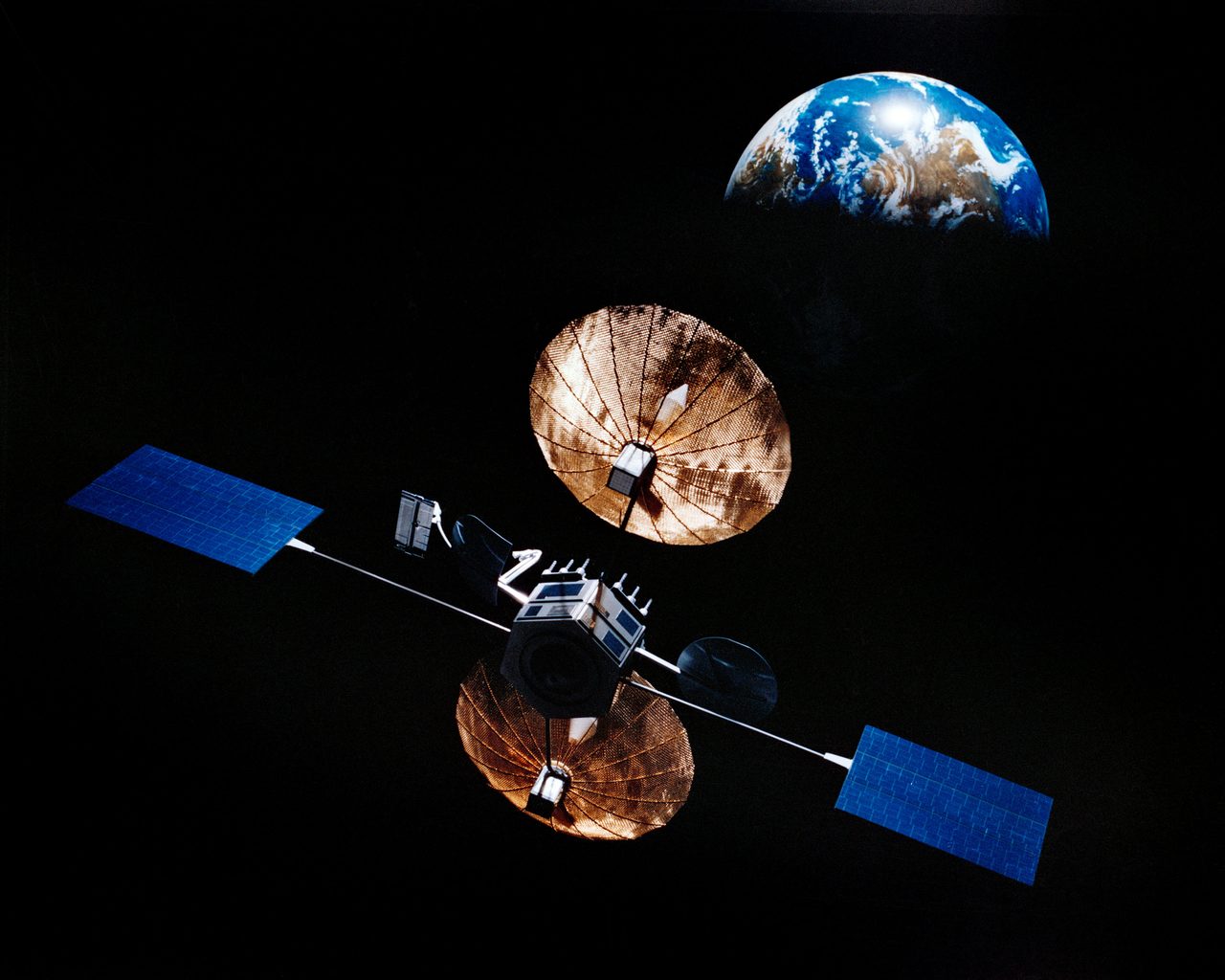
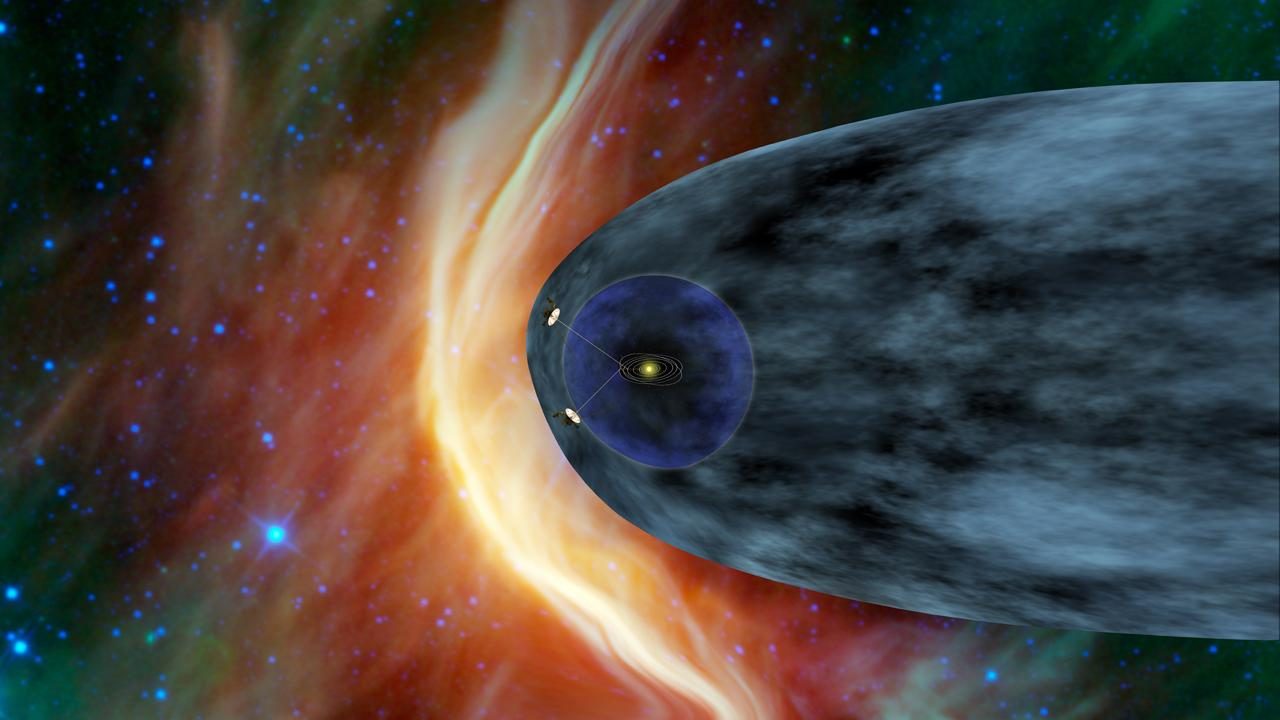
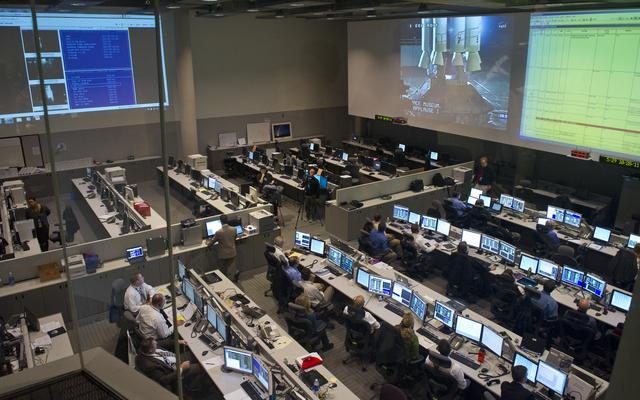
Orbital Radar's deep-space tool is designed to monitor objects far beyond Earth's orbit. It tracks spacecraft, probes, and even unique payloads like the Tesla Roadster. By analysing telemetry data and gravitational influences, the tool calculates precise orbits and predicts future positions.
How to Use the Deep Space Tool
To access data on the Tesla Roadster, users can navigate to the dedicated tracking page. Here, they can view its current position, speed, and trajectory. The interface allows for interactive exploration, providing both visual and numerical data to enhance understanding of its path.
The Science Behind the Data
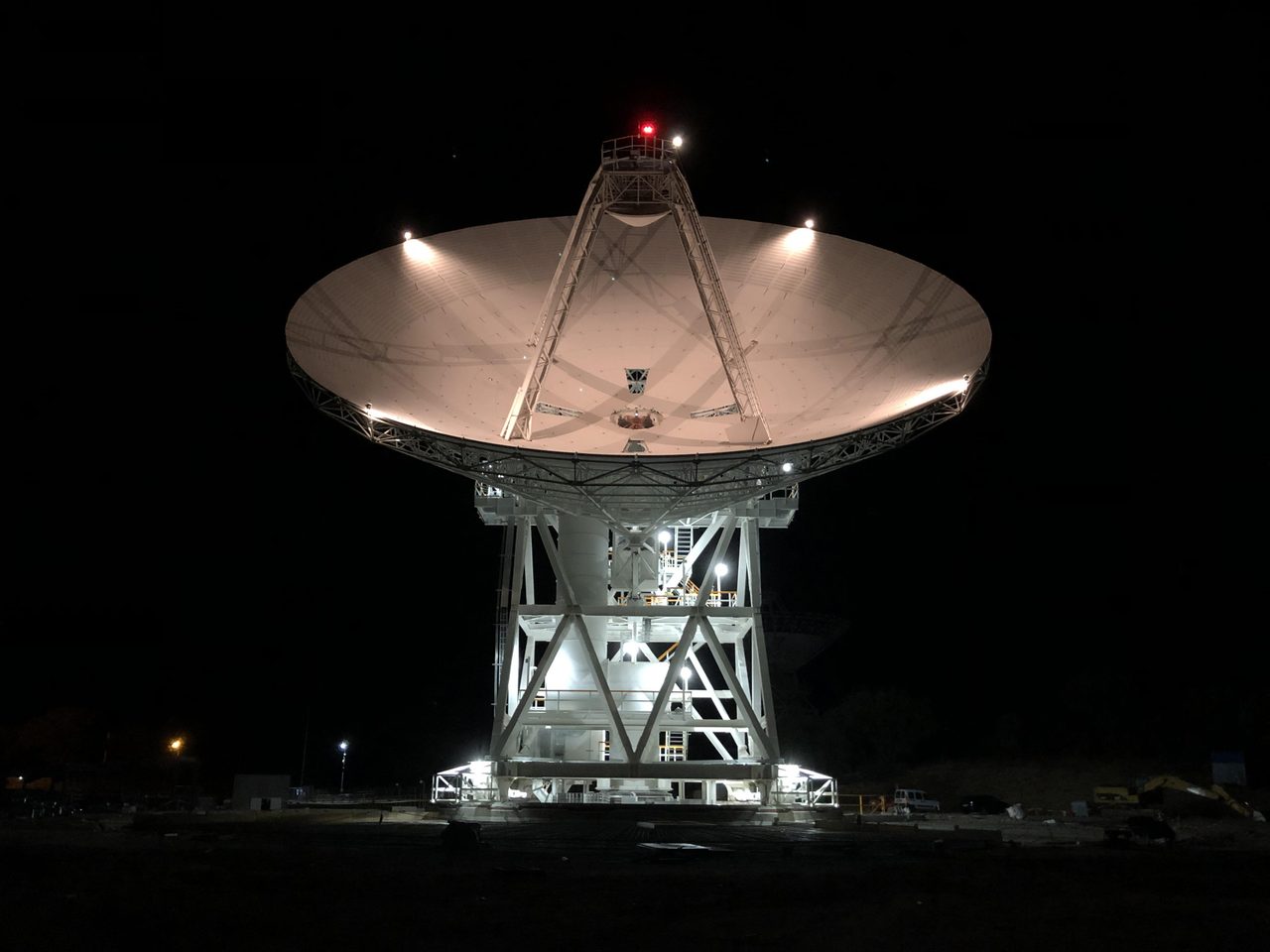
Tracking deep-space objects involves complex calculations. The tool uses data from multiple sources, including ground-based telescopes and spaceborne sensors. This information is processed to account for gravitational forces from celestial bodies, solar radiation pressure, and other perturbative effects.
Key Takeaways
Orbital Radar's deep-space tool offers a comprehensive view of distant objects like the Tesla Roadster. It provides real-time tracking and predictive analytics, crucial for understanding the dynamics of space travel. Users interested in deep-space exploration are encouraged to try the tool for themselves on the Orbital Radar platform.
Frequently Asked Questions
Where is the Tesla Roadster now?
How does Orbital Radar track the Tesla Roadster?
What is the purpose of the Tesla Roadster in space?
Can I see the Tesla Roadster from Earth?
What other objects does the deep-space tool track?
📎 Cite this article · data available
Orbital Radar Newsroom. (2026). Tracking the Tesla Roadster in Deep Space. Orbital Radar. https://orbitalradar.com/blog/deep-space-tracker"Tracking the Tesla Roadster in Deep Space." Orbital Radar, 10 September 2026, https://orbitalradar.com/blog/deep-space-tracker.@misc{orbitalradar_deep_space_tracker,
title = {Tracking the Tesla Roadster in Deep Space},
author = {{Orbital Radar}},
year = {2026},
howpublished = {\url{https://orbitalradar.com/blog/deep-space-tracker}}
}