Close Approach Alert: Objects B and C Near Miss in Orbit
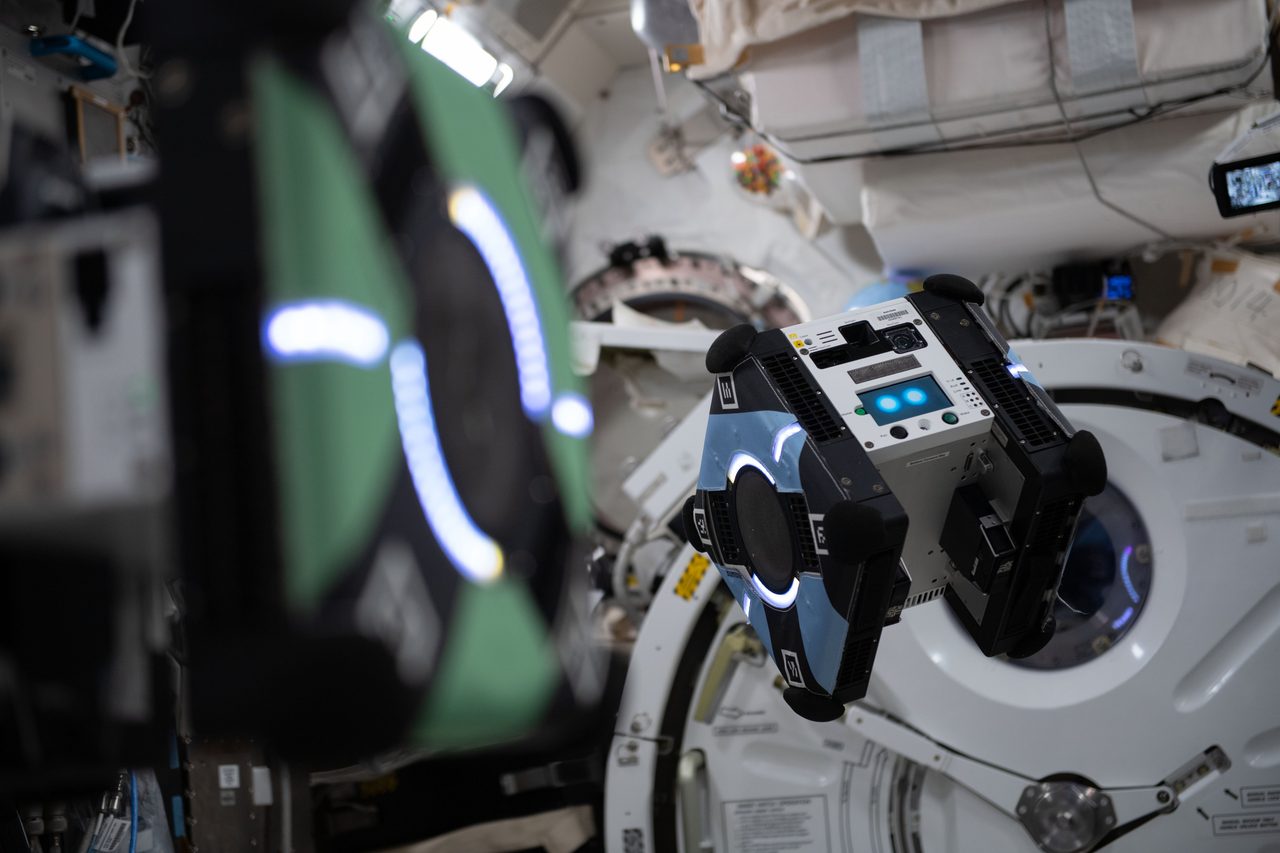
A close approach between two space objects, designated as OBJECT B and OBJECT C, occurred on 30 June 2026 at 00:30 UTC. The minimum distance between the two was approximately 1.37 kilometres, which is considered a medium-severity conjunction.
Event Overview
A close approach between two space objects, designated as OBJECT B and OBJECT C, occurred on 30 June 2026 at 00:30 UTC. The minimum distance between the two was approximately 1.37 kilometres, which is considered a medium-severity conjunction. Both objects are catalogued under NORAD IDs 56154 and 56155, respectively. Such events are regularly monitored due to the potential risk of collision, which could generate space debris.
Significance of the Conjunction
Close approaches like this one highlight the growing congestion in Earth's orbit. With over 18,000 active satellites and nearly 29,000 catalogued objects, the risk of collisions increases. The presence of 10,675 Starlink satellites alone underscores the challenges of managing orbital traffic. Conjunctions are significant because even minor collisions can produce debris that endangers other spacecraft. The Orbital Radar Debris Map provides a real-time overview of such debris, helping to mitigate risks.
Technical Context
Conjunctions are assessed using predictive models that calculate the probability of collision based on orbital parameters. A conjunction with a minimum distance of 1.37 km is closely monitored but does not typically require evasive manoeuvres unless the probability of collision exceeds a certain threshold. The ongoing development of space situational awareness technologies, including AI, aims to improve the prediction and management of such events. The Orbital Radar Anomaly Panel offers insights into these technologies and their applications.
Future Implications
The frequency of close approaches is expected to rise as more satellites are launched. This necessitates improved international coordination and the development of debris mitigation strategies. The Orbital Radar Re-entry Tracker monitors predicted re-entries, which are part of efforts to manage and reduce orbital debris. As the space environment becomes more complex, understanding and addressing these challenges will be crucial for sustainable space operations.
What to Watch Next
The space community continues to focus on enhancing collision avoidance systems and international cooperation on space traffic management. Upcoming launches and new satellite deployments will further test these systems. The Orbital Radar Launch Schedule provides updates on future launches, which could impact orbital dynamics. Additionally, monitoring tools like the Debris Map will remain essential for tracking and responding to potential conjunctions.
📎 Cite this article
Orbital Radar Newsroom. (2026). Close Approach Alert: Objects B and C Near Miss in Orbit. Orbital Radar. https://orbitalradar.com/blog/close-approach-of-piesat-b-and-piesat-c-understanding-satellite-conjunctions"Close Approach Alert: Objects B and C Near Miss in Orbit." Orbital Radar, 29 April 2026, https://orbitalradar.com/blog/close-approach-of-piesat-b-and-piesat-c-understanding-satellite-conjunctions.@misc{orbitalradar_close_approach_of_piesat_b_and_piesat_c_,
title = {Close Approach Alert: Objects B and C Near Miss in Orbit},
author = {{Orbital Radar}},
year = {2026},
howpublished = {\url{https://orbitalradar.com/blog/close-approach-of-piesat-b-and-piesat-c-understanding-satellite-conjunctions}}
}