GLONASS-K: Russia's Advanced Navigation Satellites
GLONASS-K is the latest generation of Russia's Global Navigation Satellite System (GNSS), designed to provide precise positioning and timing services globally. The GLONASS (Global Navigation Satellite System) programme is Russia's counterpart to the United States' GPS and the European Union's Galile
What is GLONASS-K?
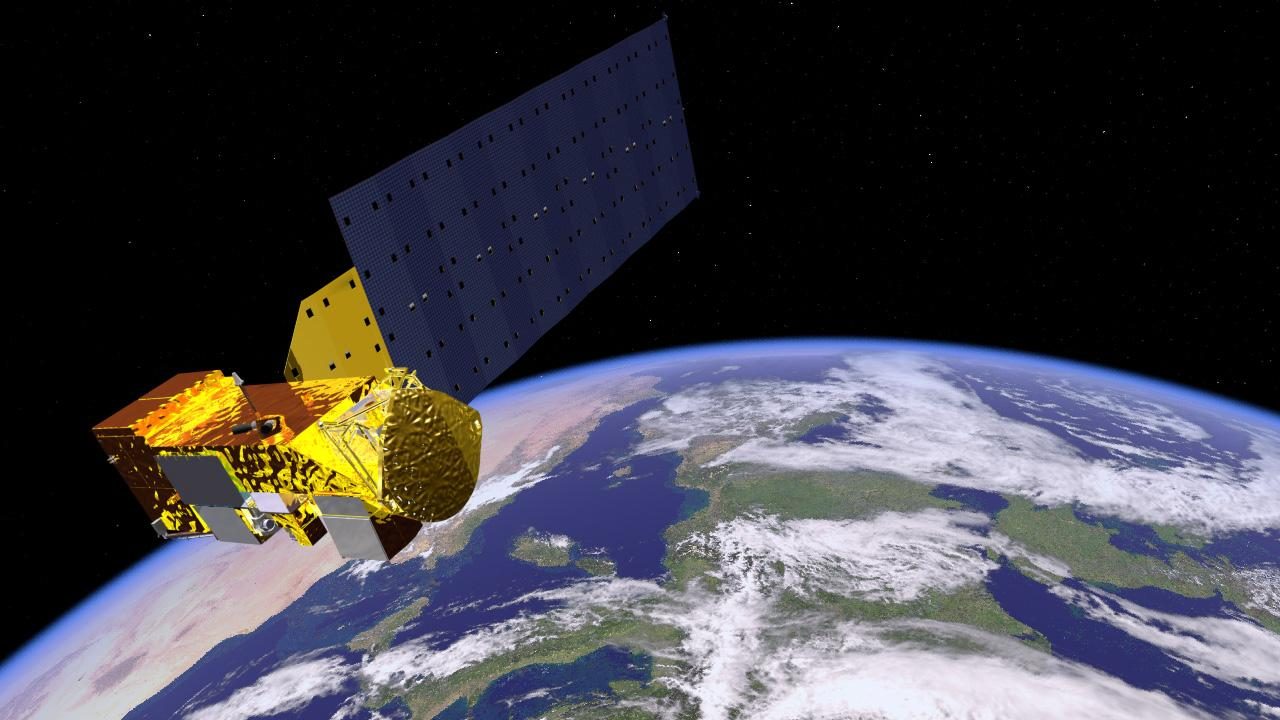
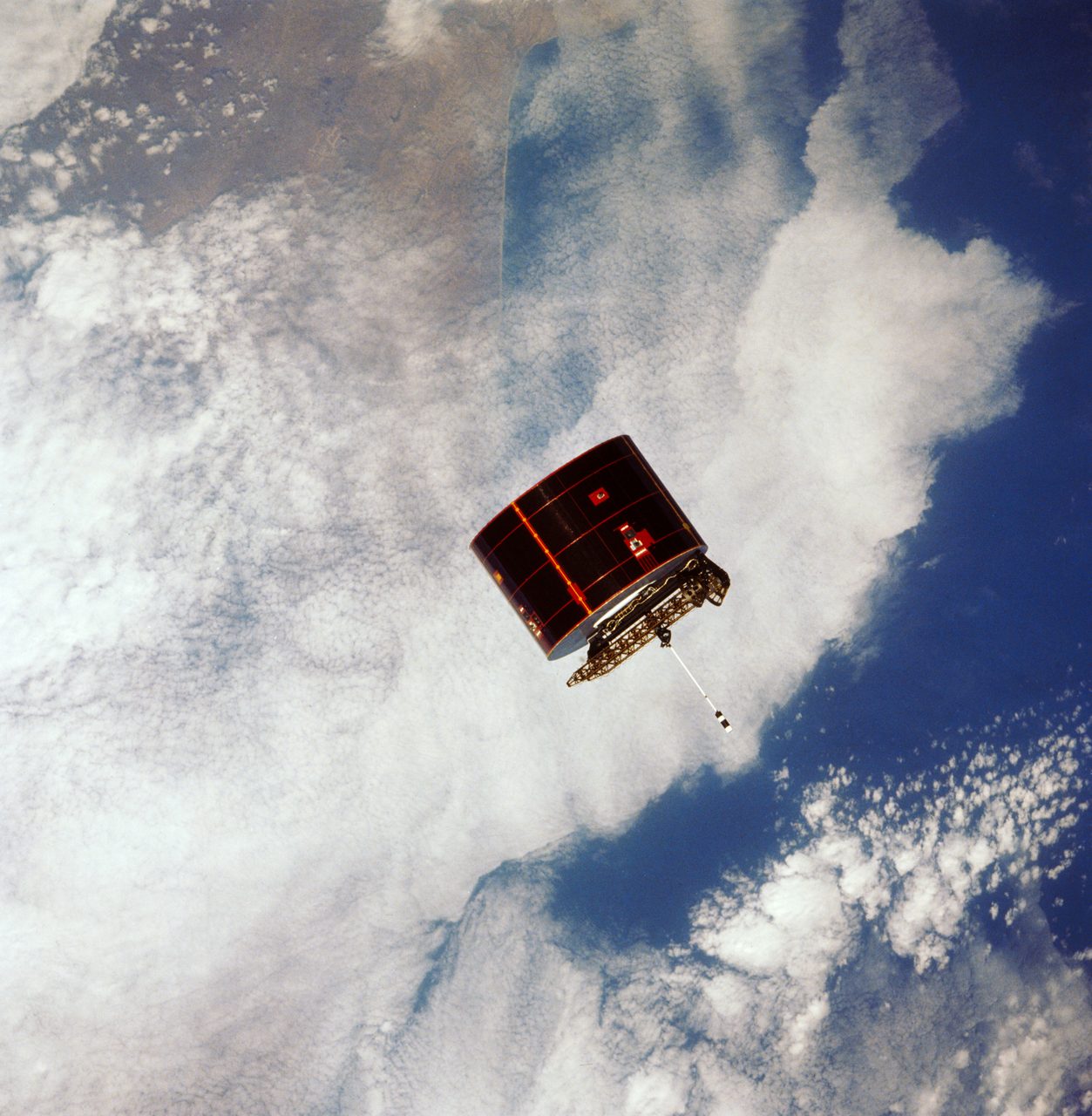
GLONASS-K is the latest generation of Russia's Global Navigation Satellite System (GNSS), designed to provide precise positioning and timing services globally. The GLONASS (Global Navigation Satellite System) programme is Russia's counterpart to the United States' GPS and the European Union's Galileo systems. The GLONASS-K series represents a significant technological advancement over its predecessors, GLONASS-M, offering improved accuracy and a longer operational lifespan.
Mission and Purpose
The primary mission of the GLONASS-K satellites is to enhance the accuracy of navigation services provided by the GLONASS system. These satellites are equipped with advanced atomic clocks and transmit signals on multiple frequencies, which reduces signal errors caused by atmospheric conditions. The GLONASS-K series supports both civilian and military users, providing crucial data for applications ranging from aviation and maritime navigation to land surveying and defence operations.
Orbital Characteristics
GLONASS-K satellites operate in medium Earth orbit (MEO) at an altitude of approximately 19,100 kilometres. They are placed in a circular orbit with an inclination of 64.8 degrees, ensuring global coverage, including high-latitude regions. Each satellite completes an orbit around the Earth approximately every 11 hours and 15 minutes. The NORAD ID for a typical GLONASS-K satellite is 37753, launched on 26 February 2011. Detailed orbital parameters and visible passes can be checked on the Orbital Radar satellite library.
Significance and Legacy
The introduction of the GLONASS-K series marked a pivotal moment in the evolution of Russia's navigation capabilities. These satellites not only improved the accuracy and reliability of the GLONASS system but also extended its service life, reducing the need for frequent replacements. The GLONASS-K satellites are part of Russia's strategic effort to maintain an independent navigation system, crucial for national security and economic development. The system's resilience and redundancy are vital in the context of global navigation satellite systems.
Current Status and Future Developments
As of 2023, several GLONASS-K satellites are operational, contributing to the full constellation of 24 satellites required for global coverage. The Russian space agency, Roscosmos, continues to launch new satellites to replace older models and maintain the system's robustness. Future developments may include the GLONASS-K2 series, which promises further enhancements in signal precision and satellite longevity. For the latest updates on GLONASS-K launches, the Orbital Radar launch schedule can be consulted.
📎 Cite this article
Orbital Radar Newsroom. (2026). GLONASS-K: Russia's Advanced Navigation Satellites. Orbital Radar. https://orbitalradar.com/blog/glonass-k-russia-navigation-satellites"GLONASS-K: Russia's Advanced Navigation Satellites." Orbital Radar, 16 July 2026, https://orbitalradar.com/blog/glonass-k-russia-navigation-satellites.@misc{orbitalradar_glonass_k_russia_navigation_satellites,
title = {GLONASS-K: Russia's Advanced Navigation Satellites},
author = {{Orbital Radar}},
year = {2026},
howpublished = {\url{https://orbitalradar.com/blog/glonass-k-russia-navigation-satellites}}
}