How Many Satellites in Orbit? Counts, Types and Tracking
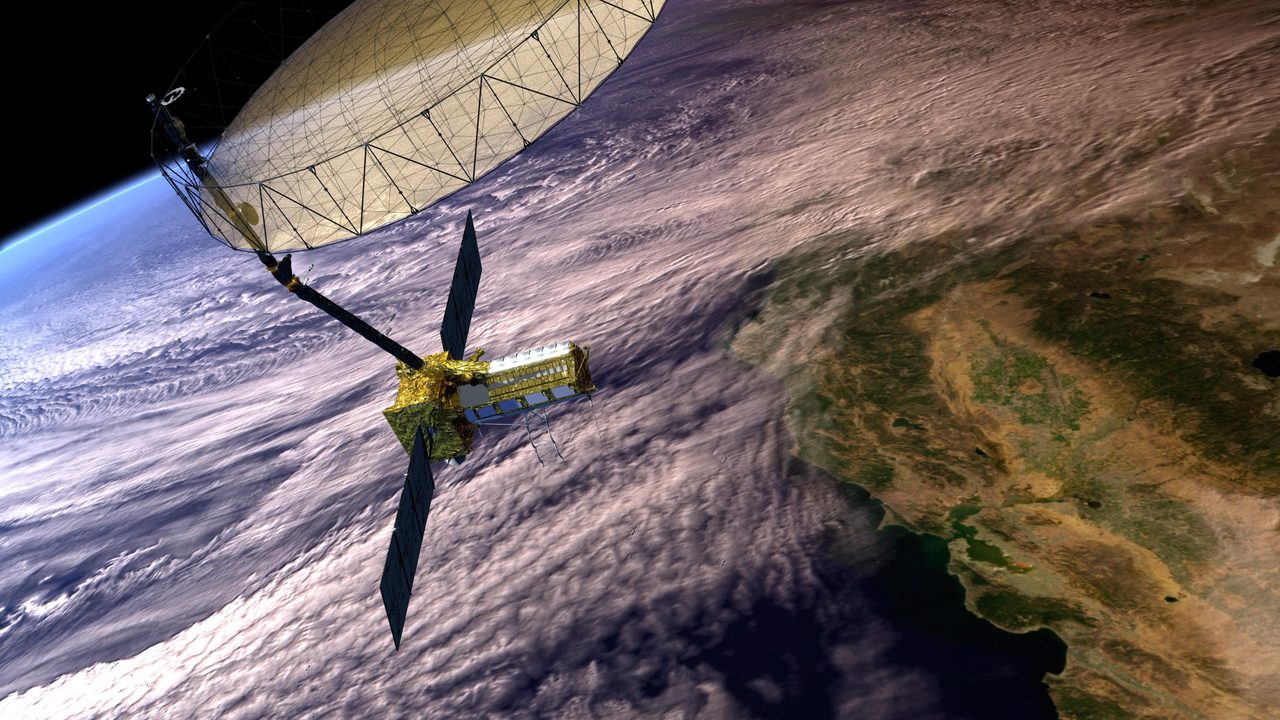
Earth has 15,870 active satellites, but the wider catalogue includes debris and inactive spacecraft. Here is what the counts mean and how to explore them.
There are 15,870 active satellites orbiting Earth as of 20 October 2026, according to Orbital Radar tracking data. That is the count of working spacecraft: the answer to how many satellites are in orbit is broader if you include inactive satellites and debris.
Active satellites, catalogued objects and cumulative launches measure different things, so their totals are not interchangeable. An active-satellite count describes spacecraft still in service, while a catalogue of orbiting objects also includes tracked remains of past missions, such as spent rocket stages and fragments. A cumulative launch total records activity over time, including spacecraft that have since returned to Earth rather than remaining in orbit.
This guide explains what the count means, the spacecraft behind it and why their roles and orbital locations matter. You can explore current records in Orbital Radar's satellite directory, or use the satellite library for background on individual spacecraft as you work through the distinctions.
What counts as a satellite, and does the total include debris?
Orbital Radar’s live catalogue contains 31,808 objects orbiting Earth as of 20 October 2026, including satellites and debris. An artificial satellite is a human-made object placed in orbit around Earth or another celestial body. For practical tracking, however, that broad definition needs separating into categories: operating spacecraft, inactive payloads, rocket bodies and fragments.
Orbital Radar tracking data lists 15,870 active satellites in Earth orbit. This is an operational count: it describes spacecraft classed as working, rather than everything that tracking systems can follow. A catalogue count answers a different question — how many individual orbiting objects are recorded, whether or not they perform a useful function.
An inactive payload is a spacecraft that no longer carries out its mission; a rocket body is a launch-vehicle stage left in orbit. Fragments are pieces separated from spacecraft or rockets, including material produced by break-ups. Readers can inspect these distinctions in Orbital Radar’s objects in orbit by type breakdown, while the satellite library provides context on individual spacecraft.
Everything outside the active count should not automatically be labelled collision debris: operational status and object type are separate classifications. Nor is either headline total a census of every small fragment in space, because some pieces are too small or difficult to track reliably. The useful distinction is therefore between working satellites, catalogued objects and the wider population of orbiting material.
Where do satellites orbit Earth?
Satellites orbit Earth mainly in low Earth orbit, medium Earth orbit and geostationary orbit. Their altitude and orbital tilt shape the areas they can serve and how they move across the sky.
Low Earth orbit (LEO) extends to about 2,000 km altitude. Satellites here move rapidly across the sky, covering a changing patch of Earth; typical uses include imaging and communications. Medium Earth orbit (MEO), between LEO and geostationary altitude, offers wider coverage and is widely used for navigation.
Geostationary orbit lies approximately 35,786 km above the equator. A satellite following this circular orbit eastwards matches Earth's rotation, appearing fixed above one equatorial point. This provides persistent coverage of a broad region for broadcasting, communications and weather monitoring, but poor coverage near the poles.
Inclination is the tilt of an orbital plane relative to the equator. Polar orbits pass over or near both poles while Earth rotates beneath them, allowing repeated observations across the globe. Sun-synchronous orbits keep approximately the same local solar time on successive passes, helping cameras compare scenes under similar lighting.
Orbital Radar tracking data records 15,870 active satellites as of 20 October 2026. Orbital Radar tracking data records 10,081 active Starlink satellites as of 20 October 2026.
Altitude alone determines neither visibility nor usefulness from your location: sunlight, viewing geometry and mission design also matter. Orbital Radar's satellite library provides context for individual spacecraft and their missions.
What are all these satellites used for?

Satellites carry communications, provide navigation and timing, monitor Earth and weather, support scientific research, and serve defence needs. Orbital Radar tracking data lists 15,870 active satellites in orbit as of 20 October 2026.
Communications satellites distribute television, relay data between distant sites and deliver satellite internet. Purpose is different from orbital location: communications services can operate from low Earth orbit or from geostationary orbit (where a satellite stays above the same point on the equator). Orbital Radar tracking data lists 10,081 active Starlink satellites on 20 October 2026.
Navigation systems such as GPS, Galileo and BeiDou broadcast precise timing and orbital information. Receivers compare signals from several satellites to calculate their position and correct their clocks; those timing signals also help synchronise telecommunications networks and financial systems.
Earth-observation satellites image the ground to map crops, forests, cities and disaster damage. Weather satellites track clouds and measure atmospheric properties such as temperature and moisture, helping forecasters understand how conditions are developing. Scientific missions may study Earth's magnetic field or look outwards, observing the Sun, planets and distant galaxies rather than the ground.
Defence applications include reconnaissance, secure communications, missile warning and navigation. Some spacecraft are dual-use, supporting both civilian and military users, and a satellite need not have a single publicly disclosed purpose. For an accessible look at imagery of Earth, explore Orbital Radar's Satellite Eye; images reveal one important satellite application, not the full range of activity overhead.
How much of the satellite population is Starlink?
Starlink had 10,081 operational satellites as of 20 October 2026, according to Orbital Radar tracking data. That operational fleet is the relevant count when asking how many Starlink spacecraft are currently providing service, rather than how many have ever been sent into space.
Starlink is a mega-constellation: a large, coordinated fleet of satellites working together. Its spacecraft move around Earth in low orbits rather than remaining fixed above individual users. As satellites cross the sky, connections pass between them, allowing the moving fleet to provide continuing coverage where the network offers service.
Orbital Radar tracking data separately lists 874 Starlink satellites raising orbit and 197 deorbiting. Raising orbit means manoeuvring towards the intended operating orbit after deployment; deorbiting means lowering an orbit towards atmospheric re-entry. Neither category should be treated as interchangeable with the operational fleet, because each describes a different stage of a spacecraft’s mission.
Starlink had launched 12,943 satellites by 20 October 2026, according to Orbital Radar tracking data. This is a historical deployment figure, not a count of working satellites currently in orbit. It includes spacecraft that have since left service or re-entered the atmosphere, as well as those still progressing towards their operating positions.
For the constellation’s role in broadband access, see Orbital Radar’s Starlink satellite internet guide. The distinction matters: the operational count describes the service fleet, while the launch figure records deployment over the programme’s lifetime.
Which countries and companies operate satellites?
Satellites are operated by commercial companies, civil government agencies, scientific organisations and defence bodies across many countries. The operator controls the spacecraft, the owner holds it as an asset, the manufacturer builds it, and the launch provider carries it into space; these roles can belong to organisations in different countries.
Orbital Radar tracking data lists 15,870 active satellites in orbit as of 20 October 2026. SpaceX operates the commercial Starlink network; NASA operates civil and scientific missions; ESA, the European Space Agency, runs multinational programmes; and defence organisations operate spacecraft for communications, surveillance and other military tasks.
SpaceX's Starlink network has 10,081 operational satellites as of 20 October 2026, according to Orbital Radar tracking data. A constellation of that size strongly shapes an operator table, but a company's fleet size and a country's satellite count answer different questions: country totals depend on how national affiliation is assigned, not simply where spacecraft were built or launched.
Orbital Radar's satellites by country and satellites by operator pages offer these complementary views. Compare the same status categories in each: an active-only fleet should not be compared directly with a total that also includes spacecraft raising their orbits, deorbiting or no longer working.
How do satellites get launched and become operational?
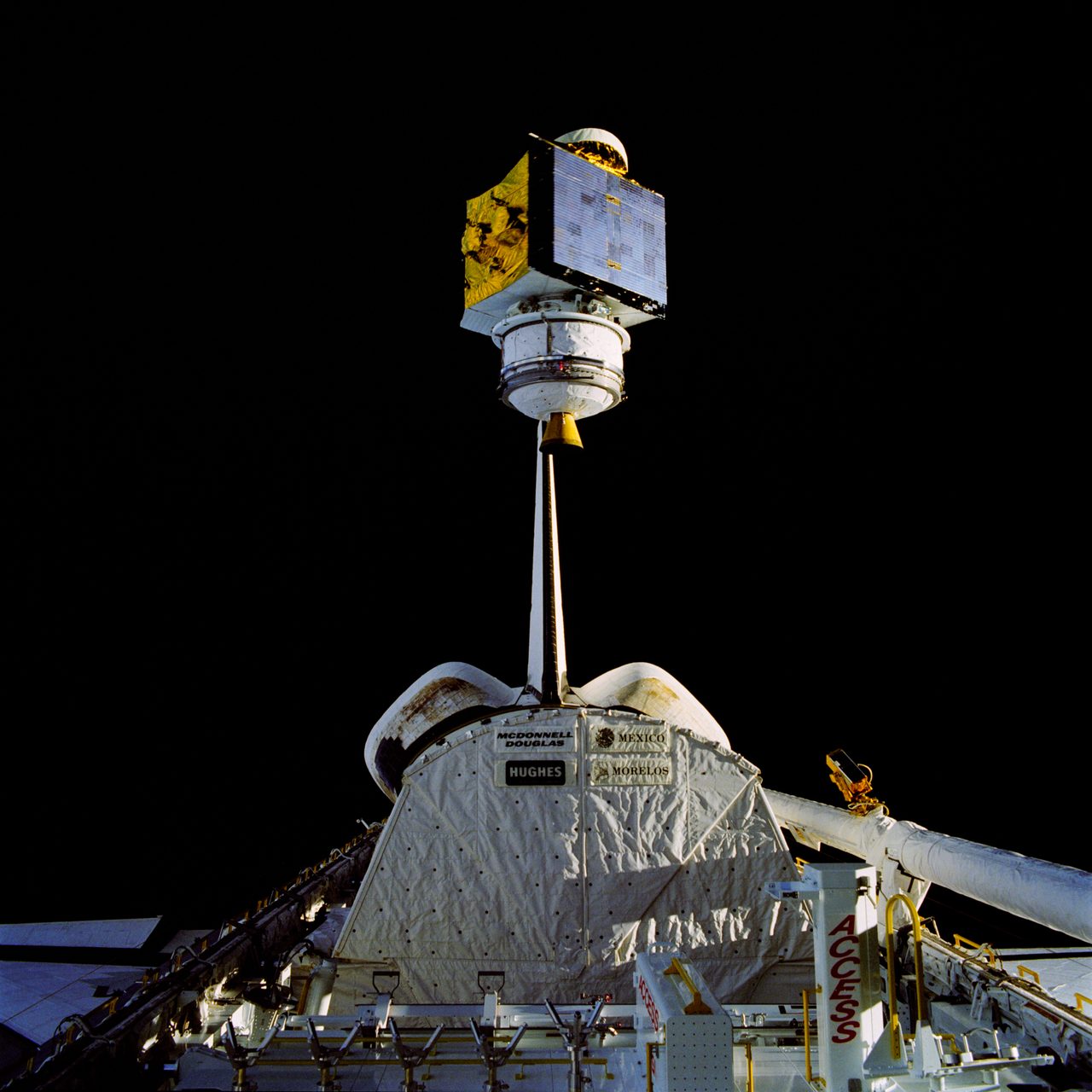
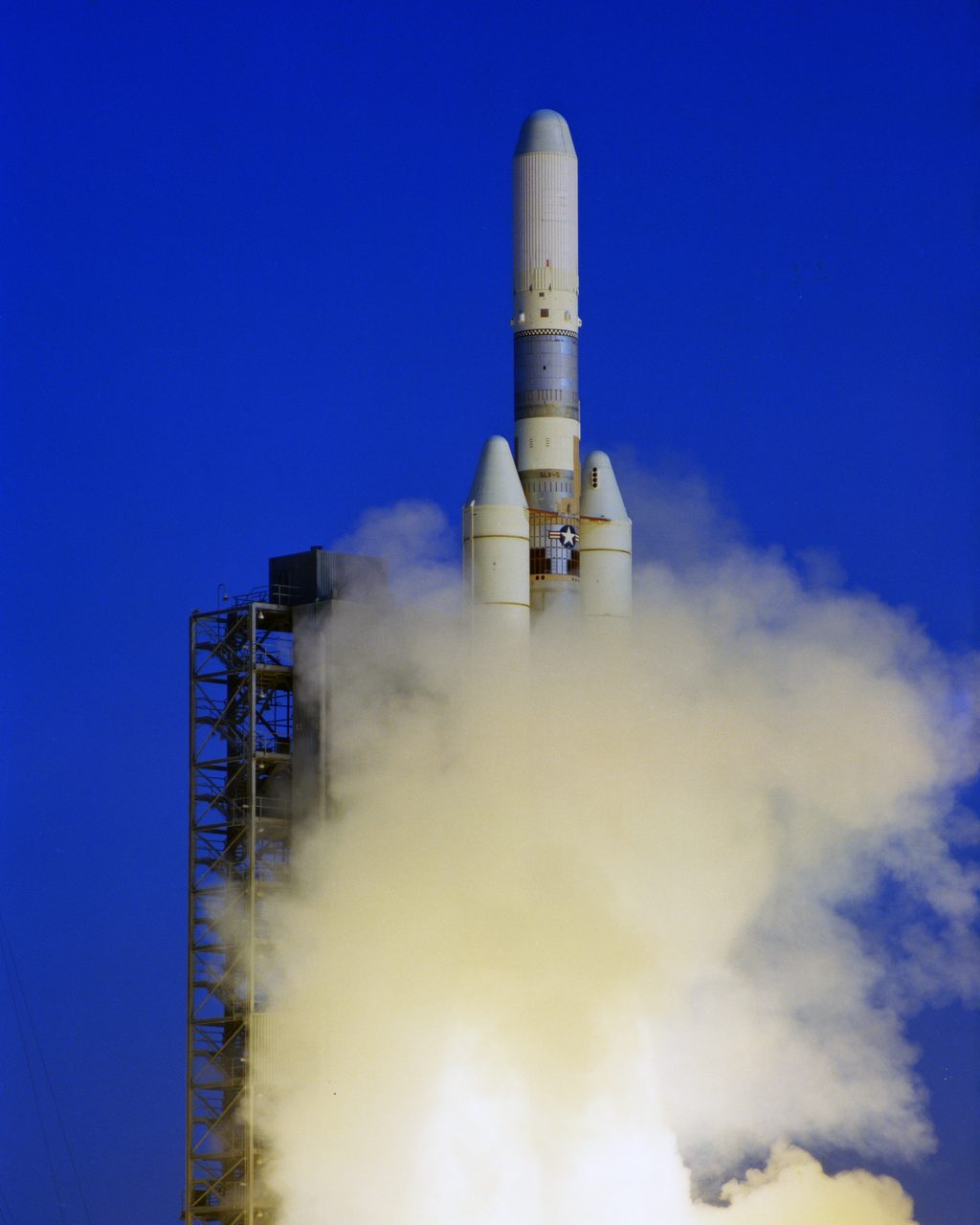
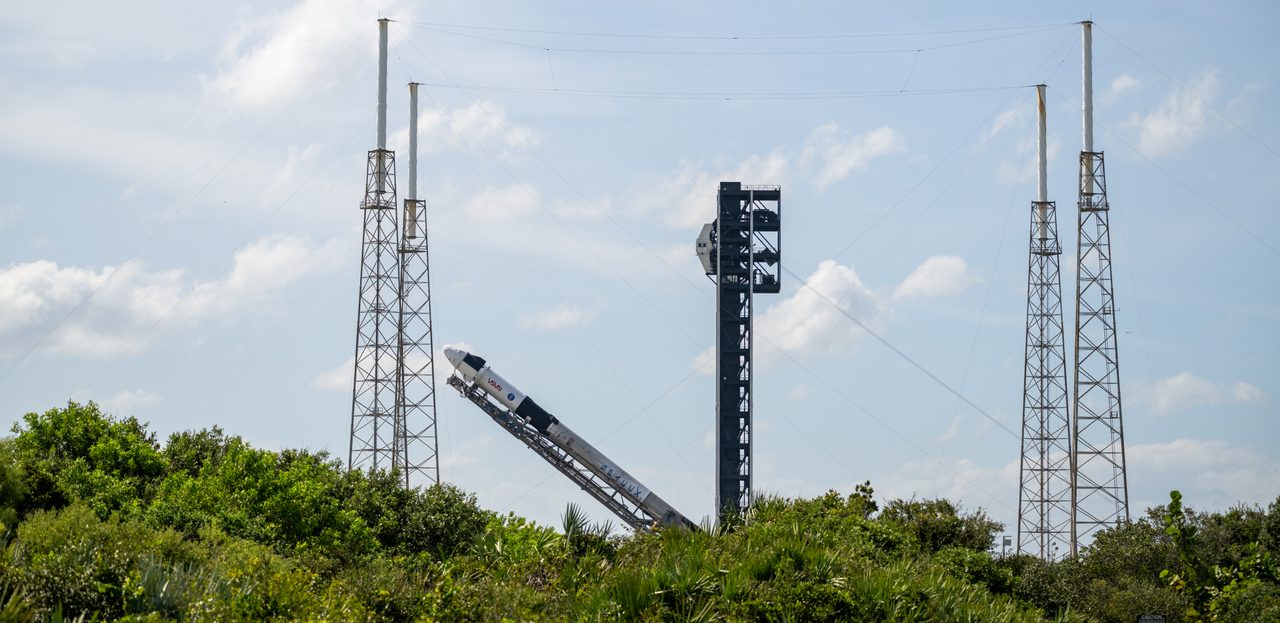
Satellites reach orbit aboard a launch vehicle, separate from it and establish communications with ground controllers before undergoing commissioning: the testing and preparation period before entry into service. A single launch can deploy multiple spacecraft, but reaching an initial orbit does not necessarily mean they are ready to provide their intended service.
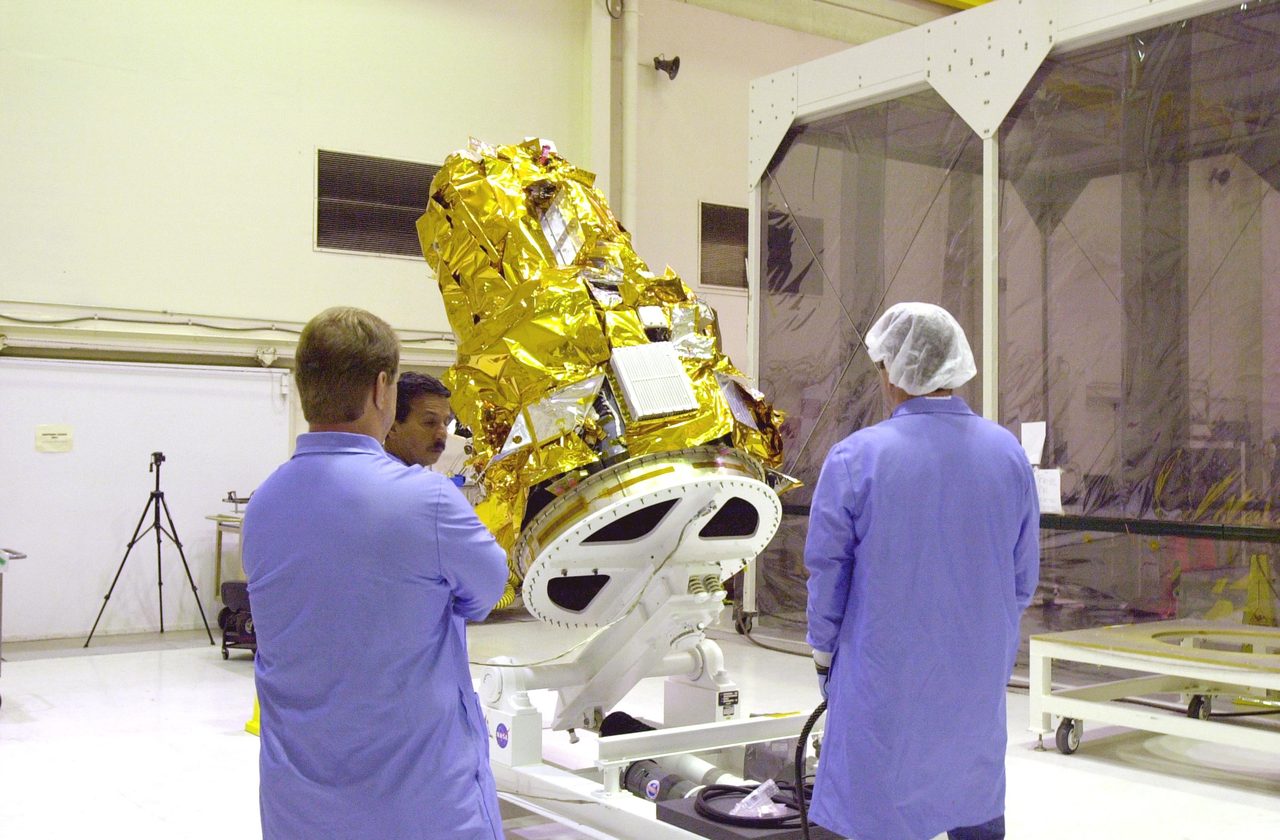
After separation, controllers check the spacecraft’s power supply, orientation and communications, and deploy equipment such as solar panels or antennas where required. They then test propulsion, onboard systems and the payload—the equipment that performs the mission. Commissioning establishes whether these systems work together well enough to begin routine operations.
Starlink had 874 spacecraft raising orbit on 20 October 2026, according to Orbital Radar tracking data. Orbit raising is a manoeuvre, or sequence of manoeuvres, that takes a satellite towards its planned operating orbit rather than leaving it where the rocket released it. On the same date, Starlink had 10,081 operational spacecraft, according to Orbital Radar tracking data. That distinction shows why deployment and operation are separate milestones.
Orbital Radar’s satellite launch log provides historical context for launches and the spacecraft they carried, rather than a count of satellites currently working. The satellite directory lets readers investigate individual spacecraft: launch totals alone cannot show whether a satellite is still preparing for service, operational or no longer working.
Does having more satellites increase collision risk?
Yes: more satellites can create more encounters requiring assessment, but collision risk depends on where their orbits overlap, how accurately their positions are known and whether they can manoeuvre. Satellites sharing a crowded orbital region face different conditions from spacecraft whose paths remain well separated.
Orbital Radar tracking data lists 18 active close approaches on 20 October 2026. A close approach is a predicted encounter between objects, not a confirmed collision or an inevitable impact.
Tracking uses repeated observations to estimate an object's position and motion, then project its future path. Collision assessment compares projected paths and the uncertainty around them: a small predicted separation alone does not establish a reliable collision probability. That calculation also needs dependable information about position uncertainties and the objects' sizes.
The 18 active close approaches tracked by Orbital Radar on 20 October 2026 are therefore assessment cases, not a forecast of impacts. As new observations arrive, a predicted encounter may become less concerning or require action. If warranted, an operator can make an avoidance manoeuvre: a controlled change in velocity that alters where the spacecraft will be at the encounter time.
Orbital Radar's satellite manoeuvre tracker provides context for orbital changes, but not every change is collision avoidance; spacecraft also adjust their orbits for routine operations. Prevention also includes passivation—removing stored energy, such as residual propellant or battery charge, to reduce fragmentation risk—and planned end-of-mission disposal to limit how long retired spacecraft remain potential collision hazards.
What happens when satellites stop working or re-enter?
A satellite that stops working does not necessarily leave orbit: it can remain aloft as an inactive spacecraft. Leaving an operational orbit is another step, while re-entry means descending into Earth’s atmosphere. Deorbiting describes a transition towards re-entry, not proof that an object has already returned.
Orbital Radar tracking data records 1,106 re-entries in 2026 as of 20 October 2026. Those departures are not necessarily active satellites: re-entering objects can include defunct spacecraft, rocket bodies and debris. Orbital Radar tracking data records 13 re-entries this week. The orbital population therefore changes through departures as well as launches.
In low Earth orbit, atmospheric drag—the resistance from sparse gas high above Earth—gradually removes orbital energy and lowers an object’s altitude. How quickly it descends depends on altitude, mass, exposed surface area and orientation. Solar activity can heat and expand the upper atmosphere, increasing drag and making re-entry forecasts change as an object approaches its final descent.
A controlled re-entry uses manoeuvres to target an atmospheric entry path, usually towards a remote ocean region. An uncontrolled re-entry lacks that final targeting, leaving greater uncertainty about its time and location; some components may survive atmospheric heating.
At higher altitudes, drag is much weaker, so spacecraft may instead move into disposal orbits away from operational traffic. They remain in space rather than re-entering. Mission information in the Orbital Radar satellite library helps explain these different end-of-life options.
How can I check the current satellite count on Orbital Radar?
Open Orbital Radar’s current satellite count for the headline total, then check what that figure includes. Orbital Radar tracking data records 15,870 active satellites in orbit as of 20 October 2026. An older article may quote a different total because launches, changes in spacecraft status and re-entries alter the population over time.
Use objects in orbit by type to move from the overall catalogue to separate object categories. Orbital Radar’s live catalogue contains 31,808 objects, including debris, as of 20 October 2026. That catalogue total is not the active satellite count: keep active spacecraft distinct from rocket bodies and debris when comparing figures.
To investigate an individual spacecraft, open /satellite-directory and search for its record. Look for its NORAD catalogue number, the tracking identifier used to distinguish a catalogued object. A name alone can be ambiguous, particularly where spacecraft belong to a series or have alternative names; the catalogue number helps you recognise the same object across tracking records.
A practical reading sequence is to identify the count’s category, note its date, then explore the relevant spacecraft or operator records. Use Orbital Radar’s satellite library at /library for supporting mission context, including the spacecraft’s purpose. This keeps the headline answer separate from the details needed to understand what is being counted.
Key takeaways
- Earth has 15,870 active satellites, while the broader catalogue contains 31,808 objects, including inactive spacecraft and debris.
- Starlink's 10,081 operational satellites make it a major component of the active population, but launched, orbit-raising and deorbiting spacecraft describe different categories.
- Launches, commissioning, failures and re-entries change the orbital population, so historical launch totals do not reveal how many satellites are working now.
- Use Orbital Radar's satellite count page and satellite directory to distinguish headline totals from individual spacecraft records.
Frequently Asked Questions
Can I see satellites from Earth without a telescope?
How many people are in space right now?
How much do all the objects in Earth orbit weigh?
Why do satellites not fall straight back to Earth?
What is the difference between a satellite and a space station?
📎 Cite this article
Orbital Radar Newsroom. (2026). How Many Satellites in Orbit? Counts, Types and Tracking. Orbital Radar. https://orbitalradar.com/blog/satellites-in-orbit-count-explainer"How Many Satellites in Orbit? Counts, Types and Tracking." Orbital Radar, 11 June 2026, https://orbitalradar.com/blog/satellites-in-orbit-count-explainer.@misc{orbitalradar_satellites_in_orbit_count_explainer,
title = {How Many Satellites in Orbit? Counts, Types and Tracking},
author = {{Orbital Radar}},
year = {2026},
howpublished = {\url{https://orbitalradar.com/blog/satellites-in-orbit-count-explainer}}
}