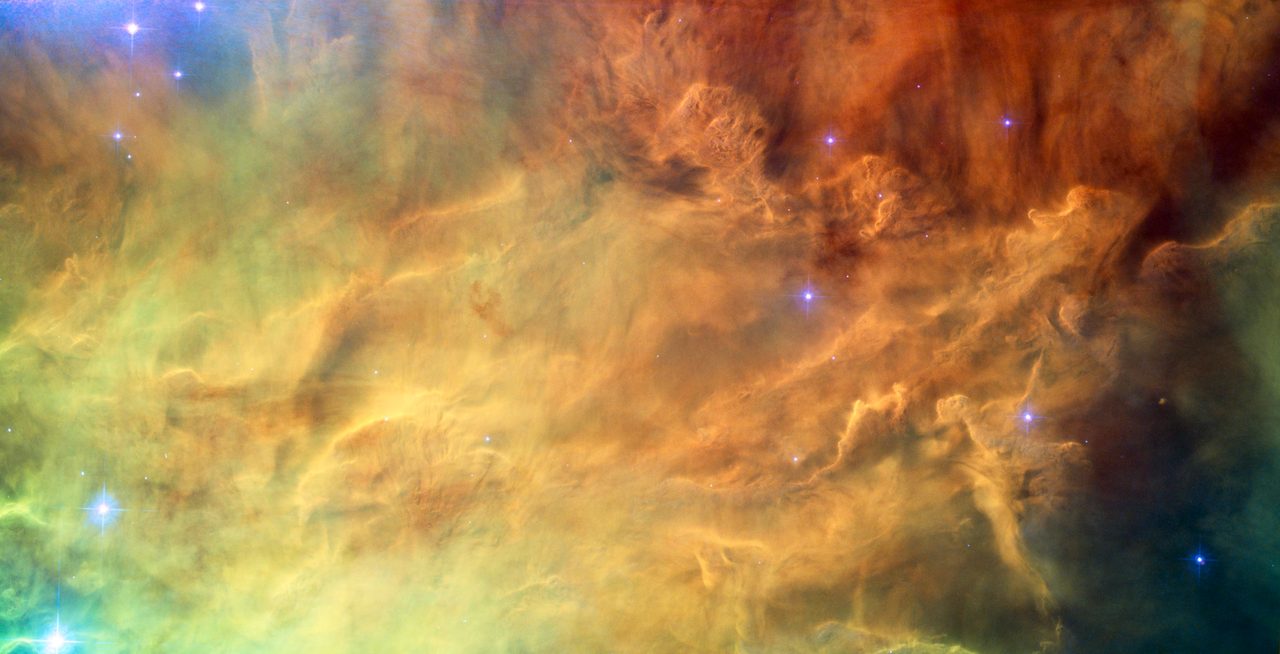
Gravitational Time Dilation: Time's Subtle Dance in Space
Discover how gravitational time dilation affects time perception in space, making time move faster for your head than your feet.
Today's cosmic exploration takes us into the intriguing realm of gravitational time dilation, a phenomenon predicted by Einstein's theory of General Relativity. This effect causes time to pass at different rates depending on the strength of the gravitational field. For instance, if you're standing upright, time moves slightly faster for your head than your feet due to the Earth's gravitational pull. While imperceptible in daily life, this difference becomes significant in the context of space travel and satellite operations.
The Implications for Space Missions
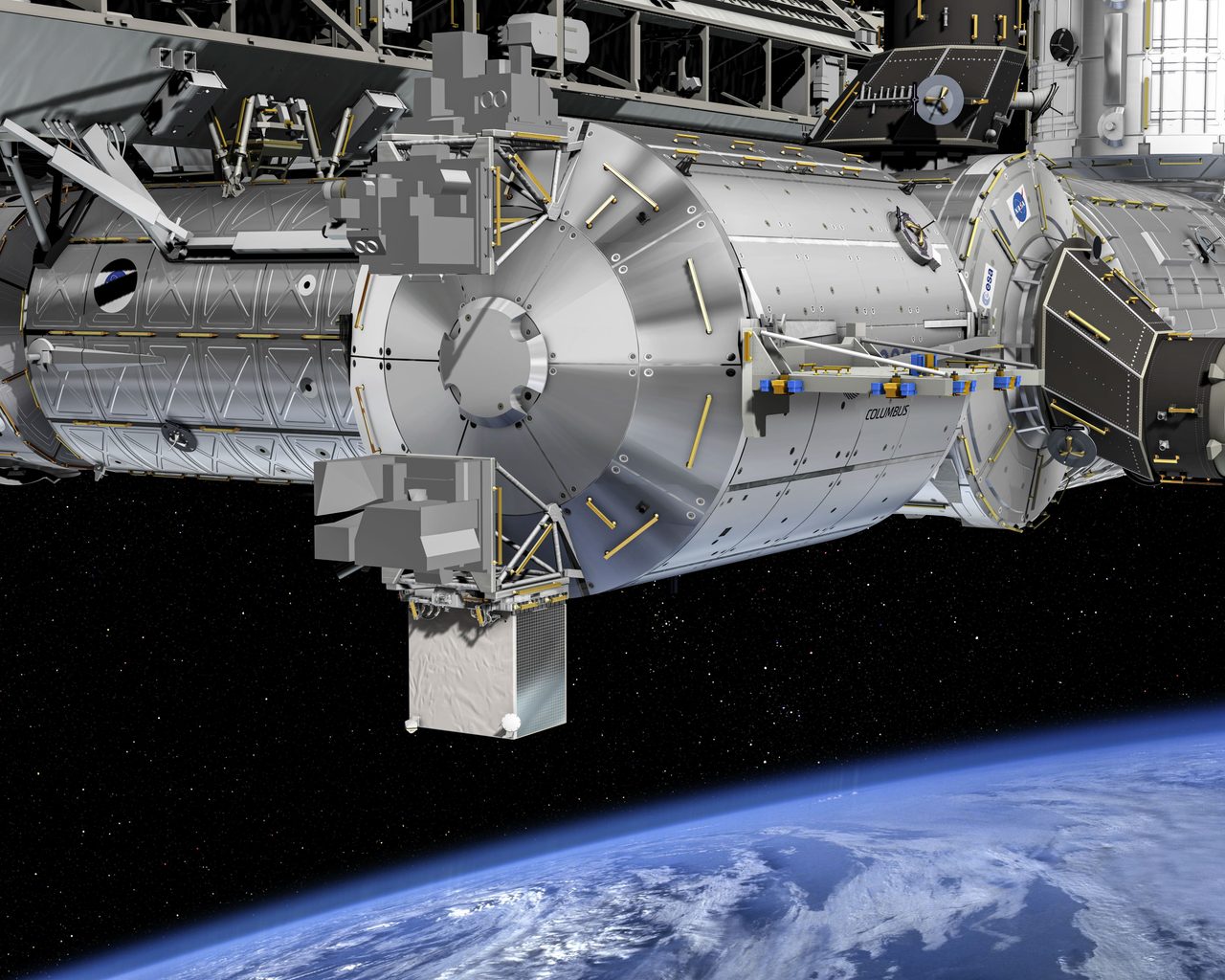
Gravitational time dilation is not just a theoretical curiosity; it has practical implications for space missions and satellite technology. For instance, the clocks on GPS satellites, which orbit at altitudes where Earth's gravity is weaker, tick faster than those on the ground. This discrepancy is corrected for to ensure accurate positioning data. Similarly, astronauts aboard the International Space Station (ISS) experience time slightly differently than those on Earth. With 11 people currently aboard the ISS, including Jessica Meir and Sergey Kud-Sverchkov, the understanding of time dilation is crucial for mission planning and coordination.
Observing Time Dilation Effects
While gravitational time dilation is not directly observable without precise instruments, its effects are accounted for in many space technologies. For those interested in tracking satellites and understanding their orbits, the Orbital Radar pass predictor can provide insights into when and where these satellites will be visible from Earth. This tool helps enthusiasts and professionals alike to appreciate the complex dance of time and gravity that governs our universe.
Frequently Asked Questions
What is gravitational time dilation?
How does time dilation affect satellites?
📎 Cite this article
Orbital Radar Newsroom. (2026). Gravitational Time Dilation: Time's Subtle Dance in Space. Orbital Radar. https://orbitalradar.com/blog/cosmic-gallery-2026-06-25"Gravitational Time Dilation: Time's Subtle Dance in Space." Orbital Radar, 25 June 2026, https://orbitalradar.com/blog/cosmic-gallery-2026-06-25.@misc{orbitalradar_cosmic_gallery_2026_06_25,
title = {Gravitational Time Dilation: Time's Subtle Dance in Space},
author = {{Orbital Radar}},
year = {2026},
howpublished = {\url{https://orbitalradar.com/blog/cosmic-gallery-2026-06-25}}
}