Understanding RAAN: The Right Ascension of the Ascending Node Explained
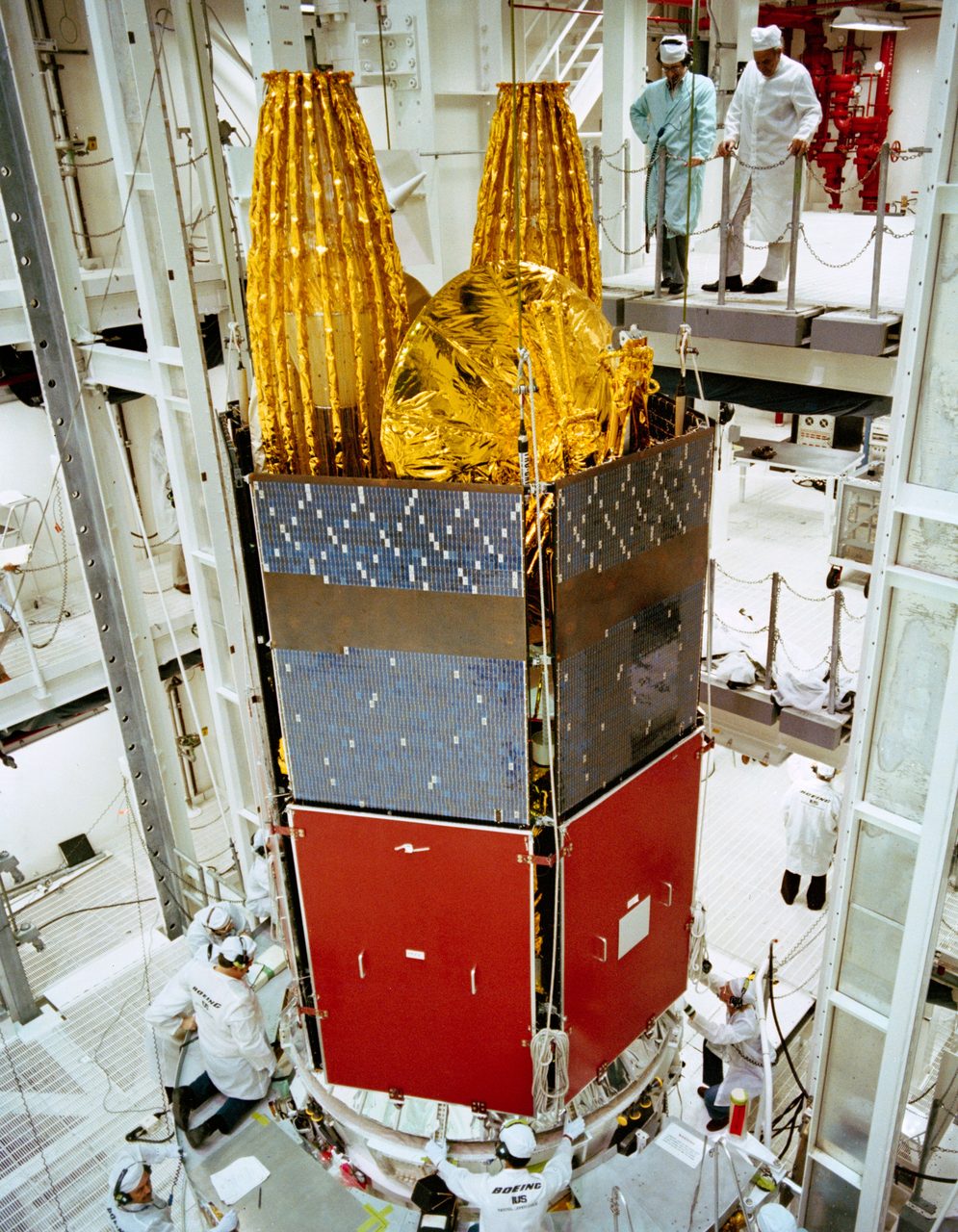
RAAN, or Right Ascension of the Ascending Node, is an essential orbital parameter that defines a satellite's path relative to Earth's equatorial plane.
RAAN, or Right Ascension of the Ascending Node, is a critical parameter in orbital mechanics that specifies the angle between a reference direction (usually the vernal equinox) and the point where a satellite crosses the equatorial plane heading north. This angle helps define the orientation of an orbit in space.
How RAAN is Measured
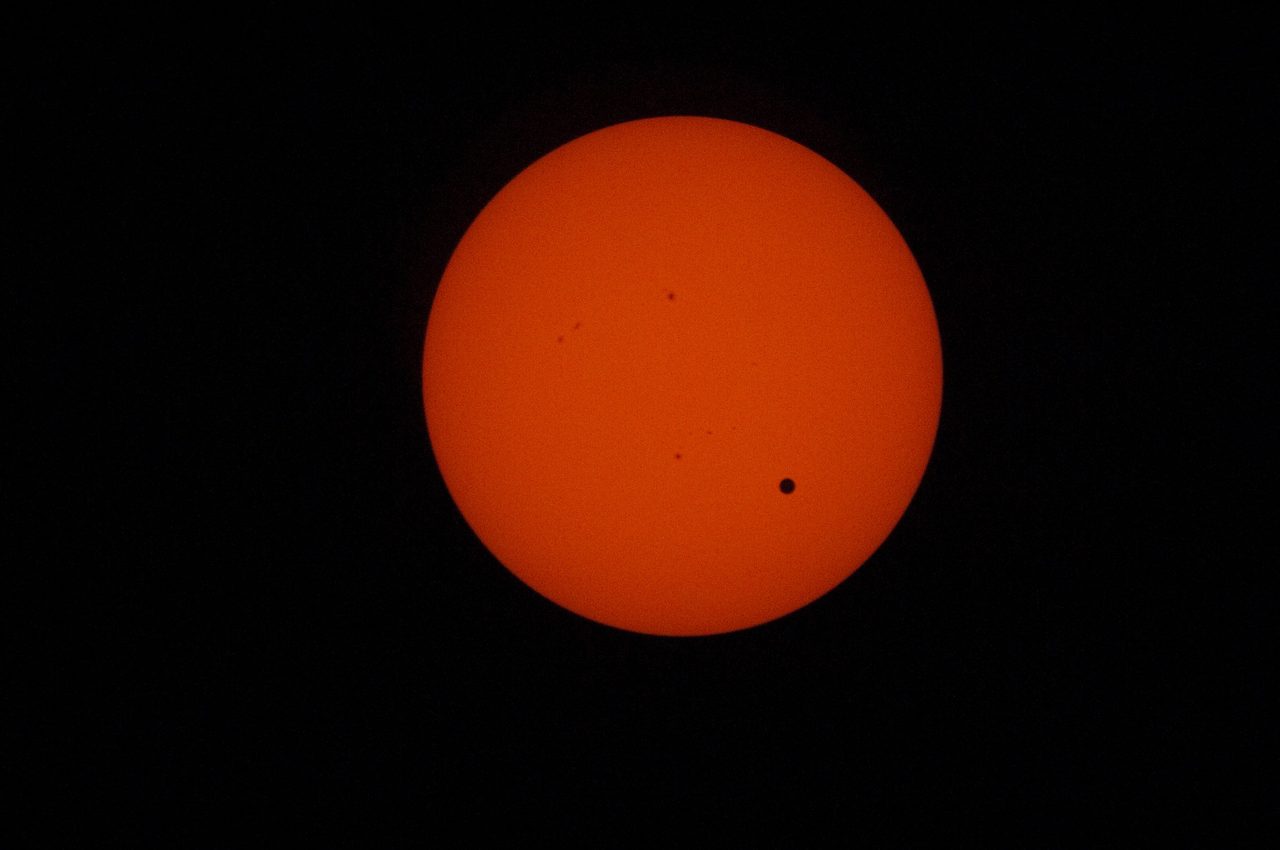
RAAN is measured in degrees from 0 to 360, moving eastward along the celestial equator. The reference direction, often the vernal equinox, serves as the zero point. For instance, if a satellite's ascending node is located 45 degrees east of the vernal equinox, its RAAN is 45 degrees.
The Importance of RAAN in Satellite Orbits
RAAN is crucial for determining a satellite's ground track and ensuring collision avoidance. It allows for precise calculations of where a satellite will be at any given time, which is vital for both commercial and military applications. With over 18,561 active satellites, including 10,929 Starlink satellites, accurate RAAN data helps manage orbital traffic.
RAAN in Different Types of Orbits
RAAN varies significantly across different orbital types. In geostationary orbits, RAAN is less critical because satellites remain fixed relative to a point on the equator. However, in low Earth orbits (LEO) and polar orbits, RAAN is essential for synchronizing satellite passes over specific regions. For more on orbit types, see our types of orbits page.
RAAN vs. Other Orbital Elements
RAAN is one of six classical orbital elements, alongside inclination, eccentricity, argument of perigee, semi-major axis, and true anomaly. While inclination determines the tilt of an orbit, RAAN specifies its orientation. Together, these elements provide a complete picture of a satellite's trajectory.
Why RAAN Matters for Satellite Constellations

For satellite constellations like Starlink, RAAN ensures that individual satellites maintain their designated positions relative to each other. This is crucial for providing consistent global coverage and avoiding interference. As of now, 9,808 Starlink satellites are operational, with their RAAN carefully managed to optimize network performance.
Key Takeaways
RAAN is an essential component in the precise management of satellite orbits. It plays a vital role in collision avoidance, orbital synchronization, and the functioning of satellite constellations. Understanding RAAN is fundamental for anyone involved in satellite operations or space science.
Frequently Asked Questions
What is RAAN in satellite terms?
How is RAAN calculated?
Why is RAAN important for satellite operations?
What affects RAAN over time?
How does RAAN relate to satellite constellations like Starlink?
📎 Cite this article
Orbital Radar Newsroom. (2026). Understanding RAAN: The Right Ascension of the Ascending Node Explained. Orbital Radar. https://orbitalradar.com/blog/raan-explainer"Understanding RAAN: The Right Ascension of the Ascending Node Explained." Orbital Radar, 18 August 2026, https://orbitalradar.com/blog/raan-explainer.@misc{orbitalradar_raan_explainer,
title = {Understanding RAAN: The Right Ascension of the Ascending Node Explained},
author = {{Orbital Radar}},
year = {2026},
howpublished = {\url{https://orbitalradar.com/blog/raan-explainer}}
}