How to Distinguish Satellites from Shooting Stars in the Night Sky
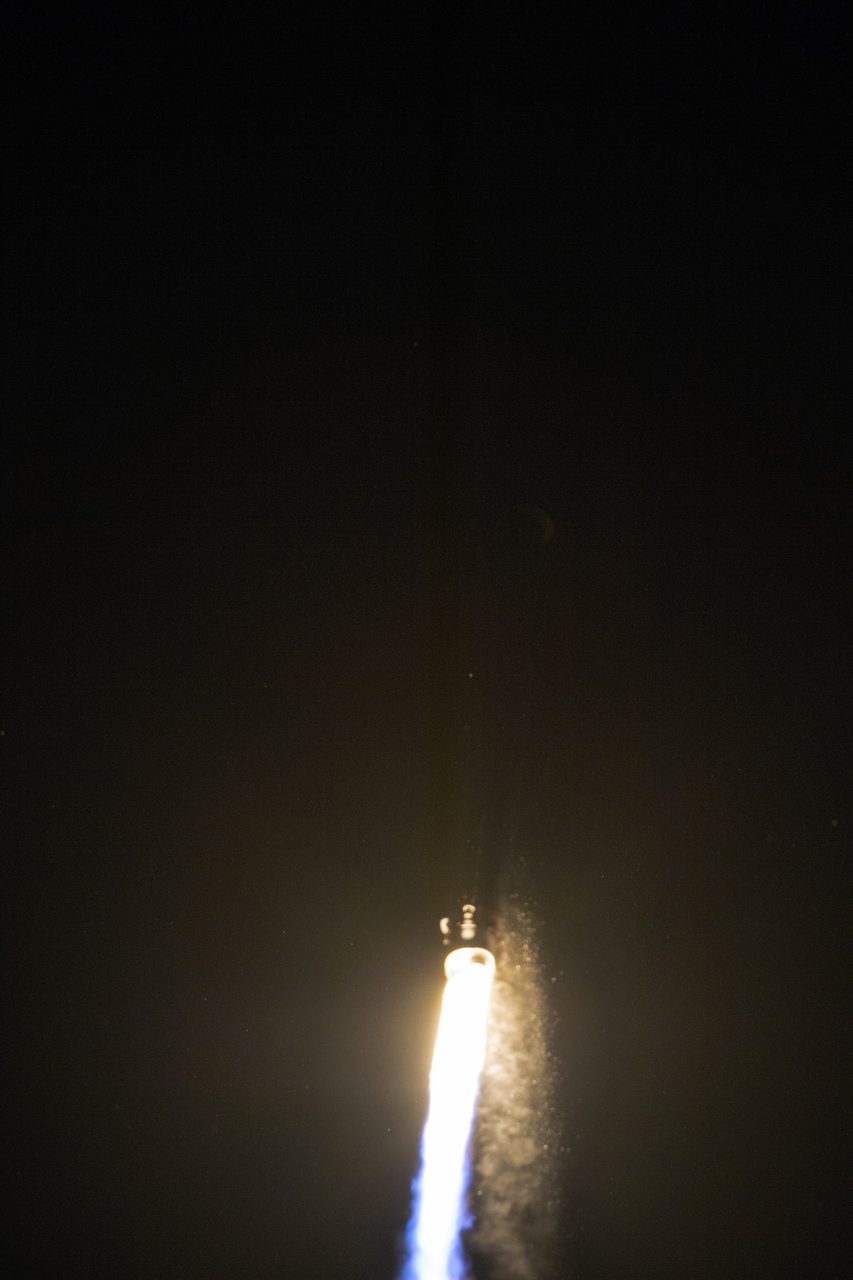
Satellites move steadily across the sky, while shooting stars appear as brief, bright streaks. Learn how to identify each.
When observing the night sky, a common question arises: is that moving light a satellite or a shooting star? Satellites generally appear as steady, slow-moving points of light, while shooting stars, or meteors, are brief, bright streaks caused by space debris burning up in the Earth's atmosphere.
What is a Satellite?
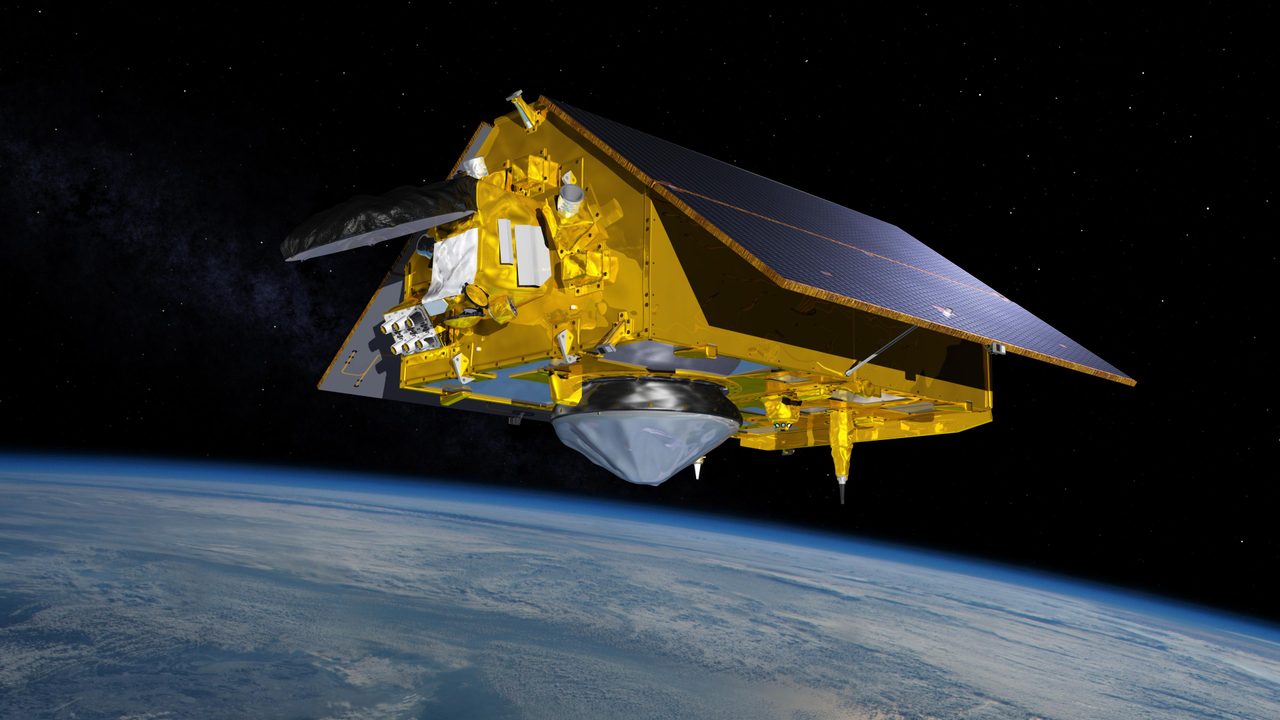
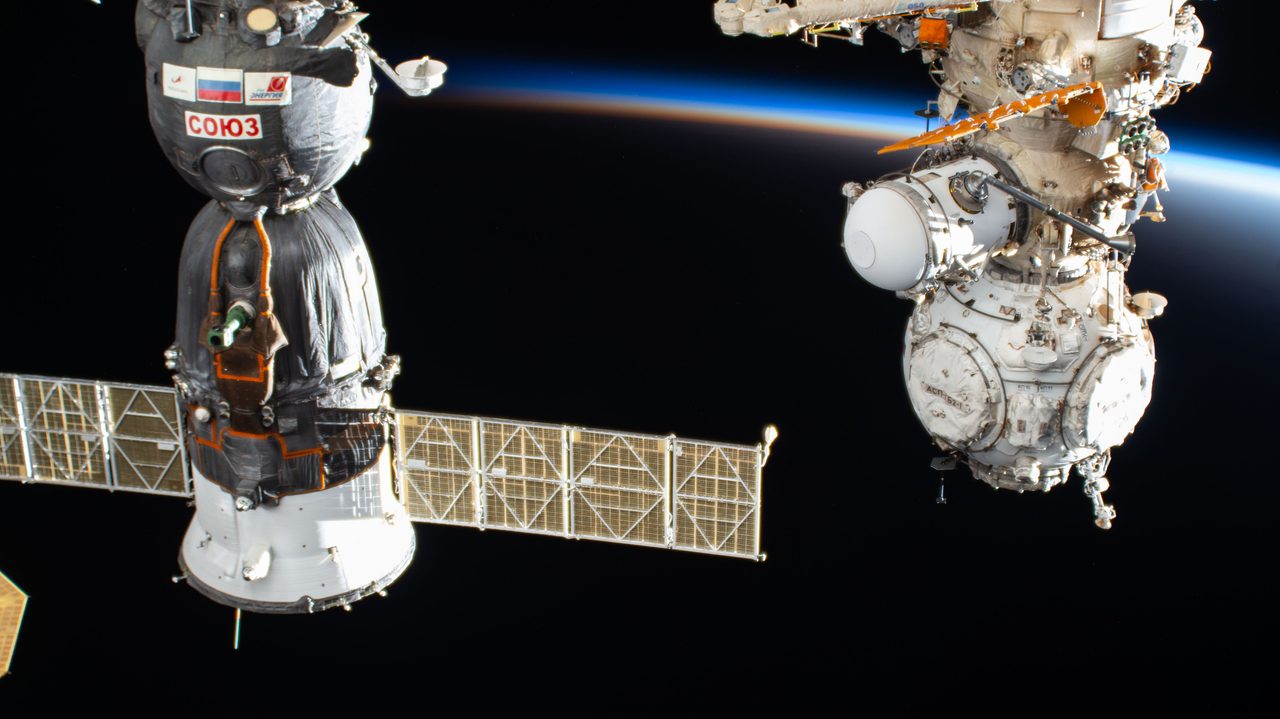
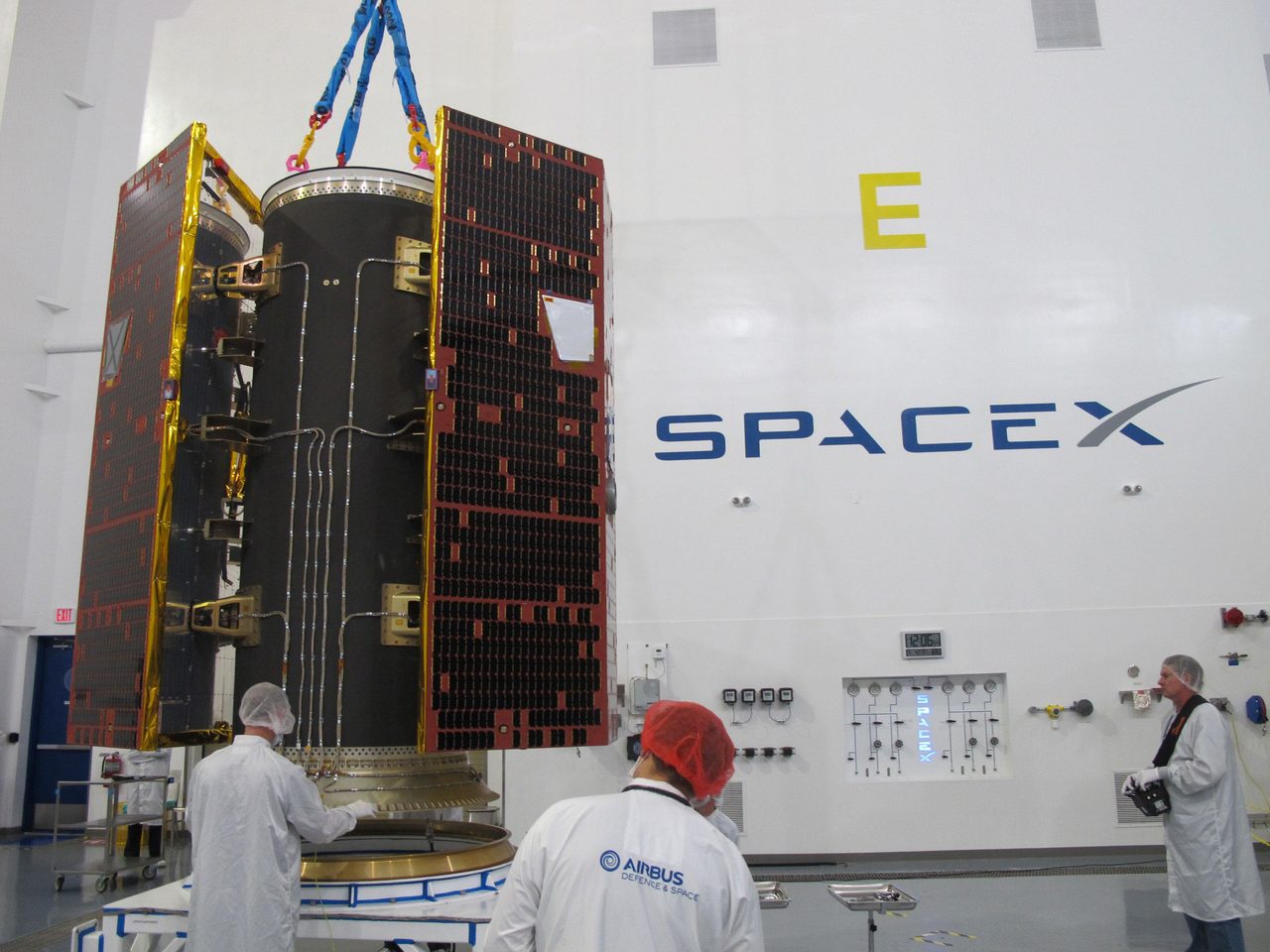
Satellites are artificial objects deliberately placed into orbit around Earth or other celestial bodies. As of now, there are 18,548 active satellites in orbit, including 10,909 Starlink satellites. These objects are used for communication, weather monitoring, Earth observation, and scientific research. Satellites can be tracked using tools like the Orbital Radar pass predictor.
What is a Shooting Star?
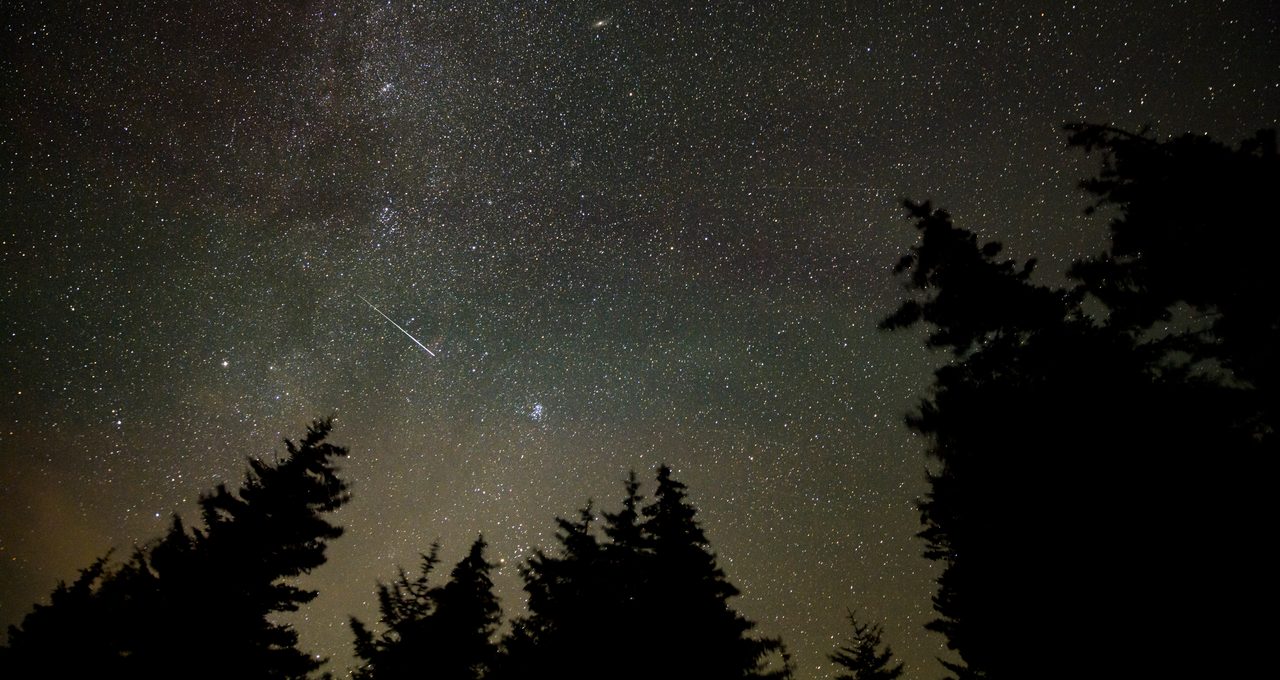
Shooting stars, or meteors, occur when small rocks or particles from space enter Earth's atmosphere at high speeds, burning up due to friction. This creates a bright streak of light visible for only a few seconds. Unlike satellites, which follow predictable orbits, meteors can appear randomly and are often part of meteor showers.
How to Identify Satellites
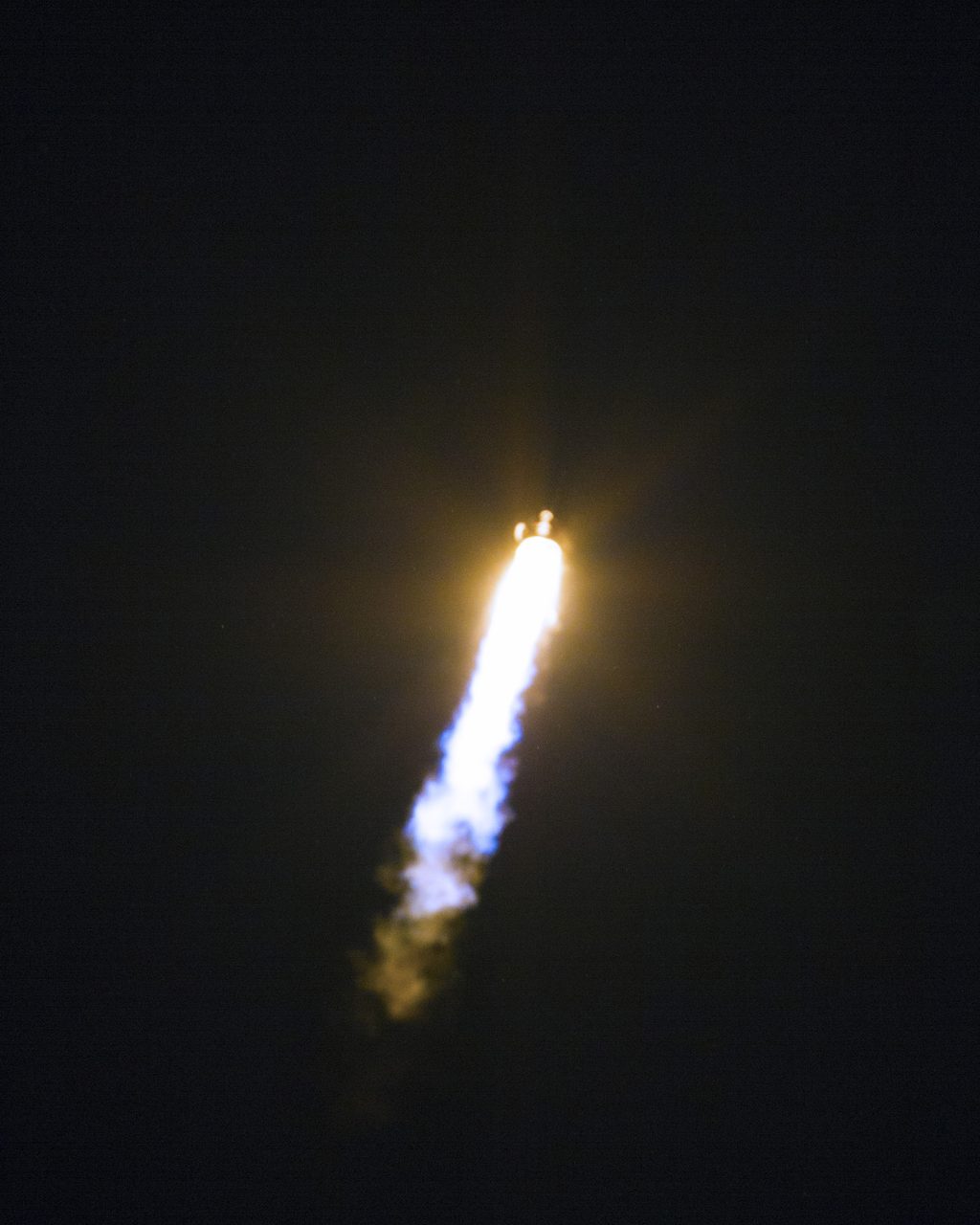
Satellites appear as steady points of light moving across the sky, often visible just after sunset or before sunrise. They do not twinkle like stars, and their movement is consistent. The Skylens tool can help identify specific satellites by their NORAD ID and track their visible passes.
How to Identify Shooting Stars
Shooting stars are characterised by their sudden appearance and rapid movement across the sky. They often leave a glowing trail that fades quickly. Meteor showers, such as the Perseids or Geminids, increase the likelihood of seeing multiple meteors in a short period. These events are best observed away from city lights.
Why Does It Matter?
Understanding the difference between satellites and shooting stars enhances our appreciation of the night sky and informs us about human activity in space. With over 29,279 catalogued objects, including debris, the sky is increasingly crowded. Recognising these phenomena helps in distinguishing natural events from human-made objects.
Key Takeaways
Satellites and shooting stars are both fascinating elements of the night sky but differ significantly in appearance and origin. Satellites are steady, predictable, and part of our technological infrastructure, while shooting stars are fleeting, natural phenomena. Tools like the Orbital Radar Skylens can assist in identifying these objects.
Frequently Asked Questions
How can I tell if a light in the sky is a satellite?
What causes a shooting star?
Can satellites be seen with the naked eye?
What is the difference between a meteor and a meteorite?
How often do meteor showers occur?
📎 Cite this article
Orbital Radar Newsroom. (2026). How to Distinguish Satellites from Shooting Stars in the Night Sky. Orbital Radar. https://orbitalradar.com/blog/satellite-or-shooting-star"How to Distinguish Satellites from Shooting Stars in the Night Sky." Orbital Radar, 13 August 2026, https://orbitalradar.com/blog/satellite-or-shooting-star.@misc{orbitalradar_satellite_or_shooting_star,
title = {How to Distinguish Satellites from Shooting Stars in the Night Sky},
author = {{Orbital Radar}},
year = {2026},
howpublished = {\url{https://orbitalradar.com/blog/satellite-or-shooting-star}}
}