China's Reusable Rocket Success; Starship Prepares for Flight 13
China's Long March-10B successfully tested for reusability; SpaceX's Starship gears up for its 13th flight.
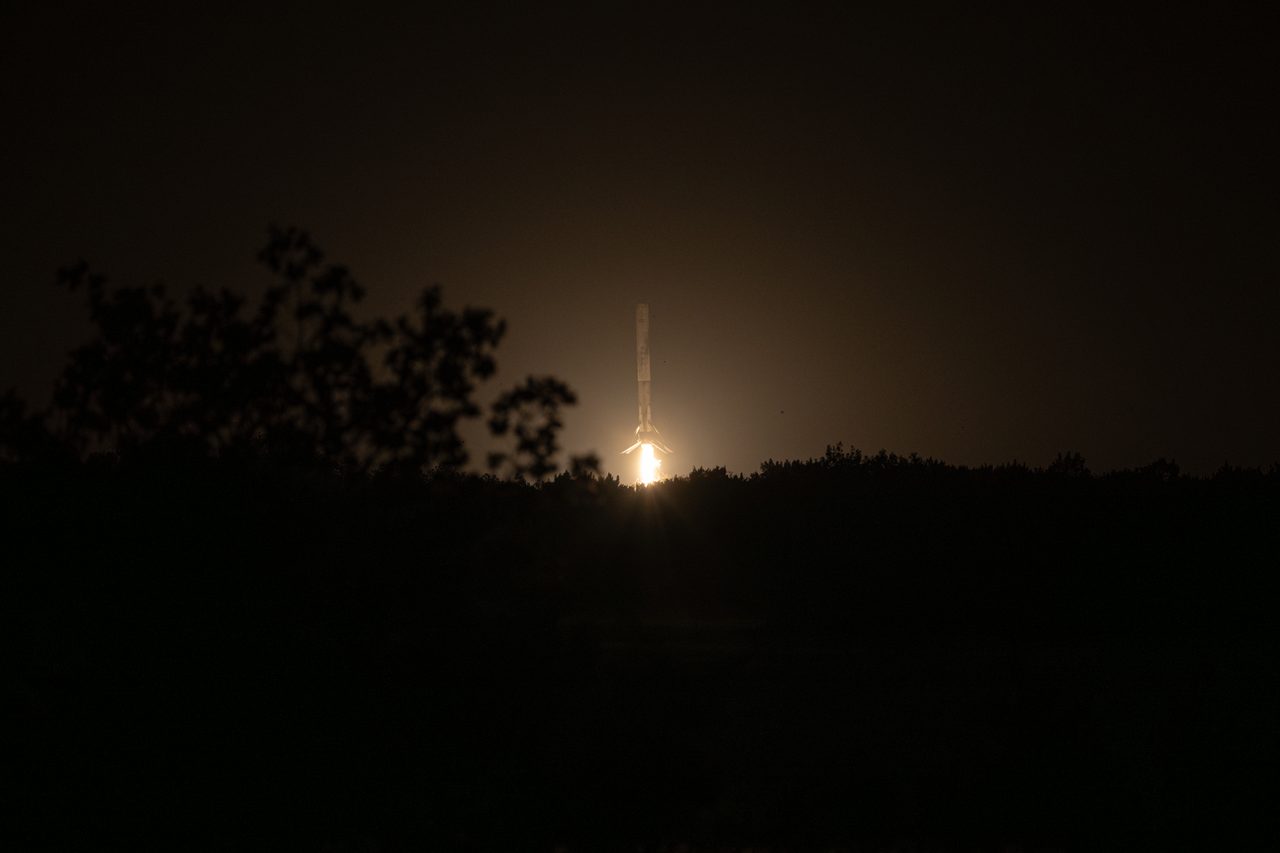
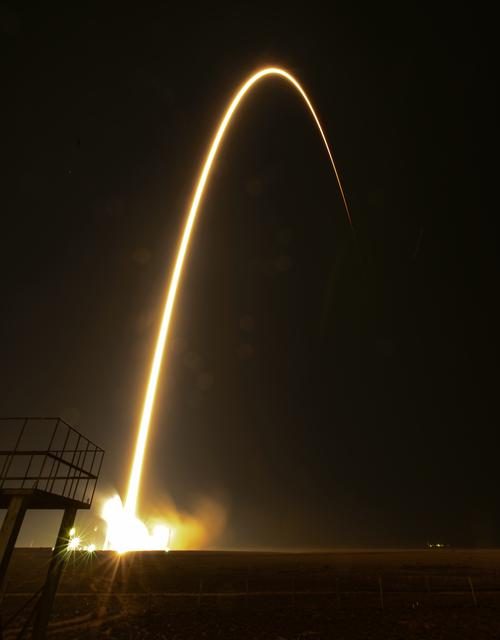
China has successfully tested a reusable version of its Long March-10B rocket, marking a significant milestone in its space programme. The test, which took place over the weekend, demonstrated the rocket's ability to return to Earth and be prepared for future launches. This development positions China alongside other space-faring nations pursuing reusable launch technologies, potentially reducing costs and increasing launch frequency.
SpaceX Starship Prepares for Flight 13

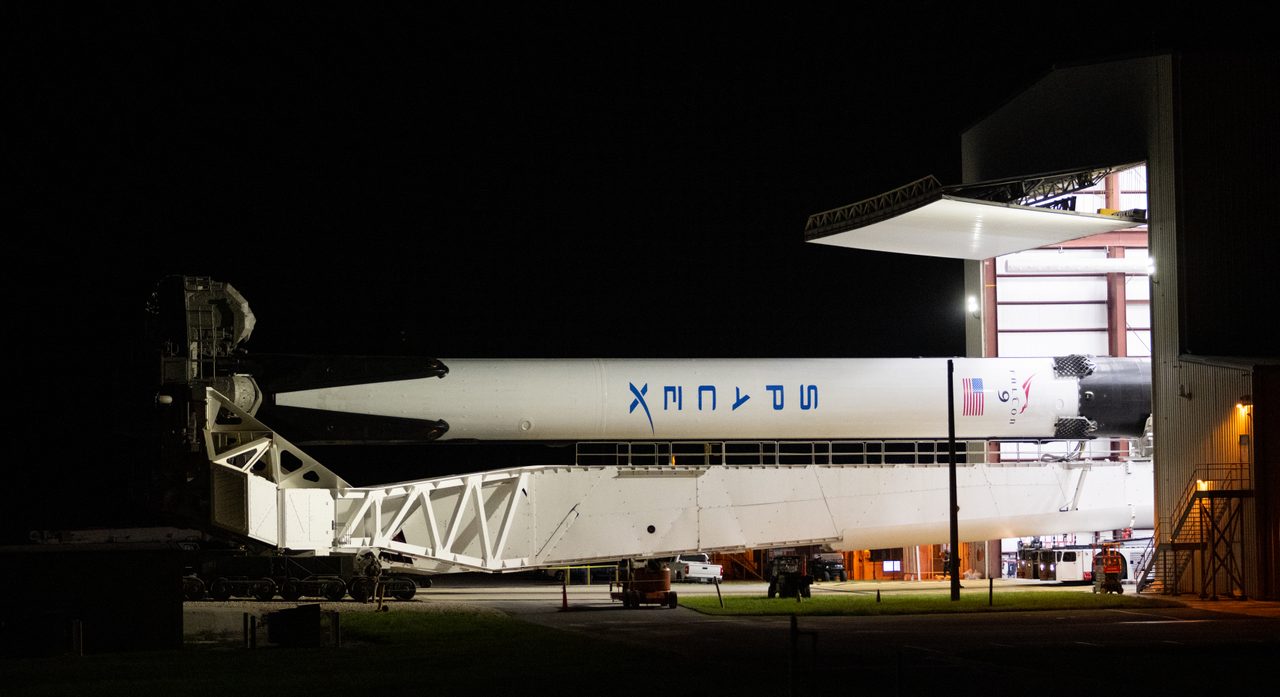
SpaceX is gearing up for the 13th flight of its Starship vehicle, with launch preparations in full swing. The mission, designated Starship Flight 13, is expected to further test the spacecraft's capabilities in preparation for future deep space missions. As SpaceX continues to refine the Starship design, the vehicle remains a central component of the company's plans for lunar and Martian exploration. For those interested in tracking the launch, details and updates can be found on the Orbital Radar launch schedule page.
NASA's Roman Telescope Prepares for Launch
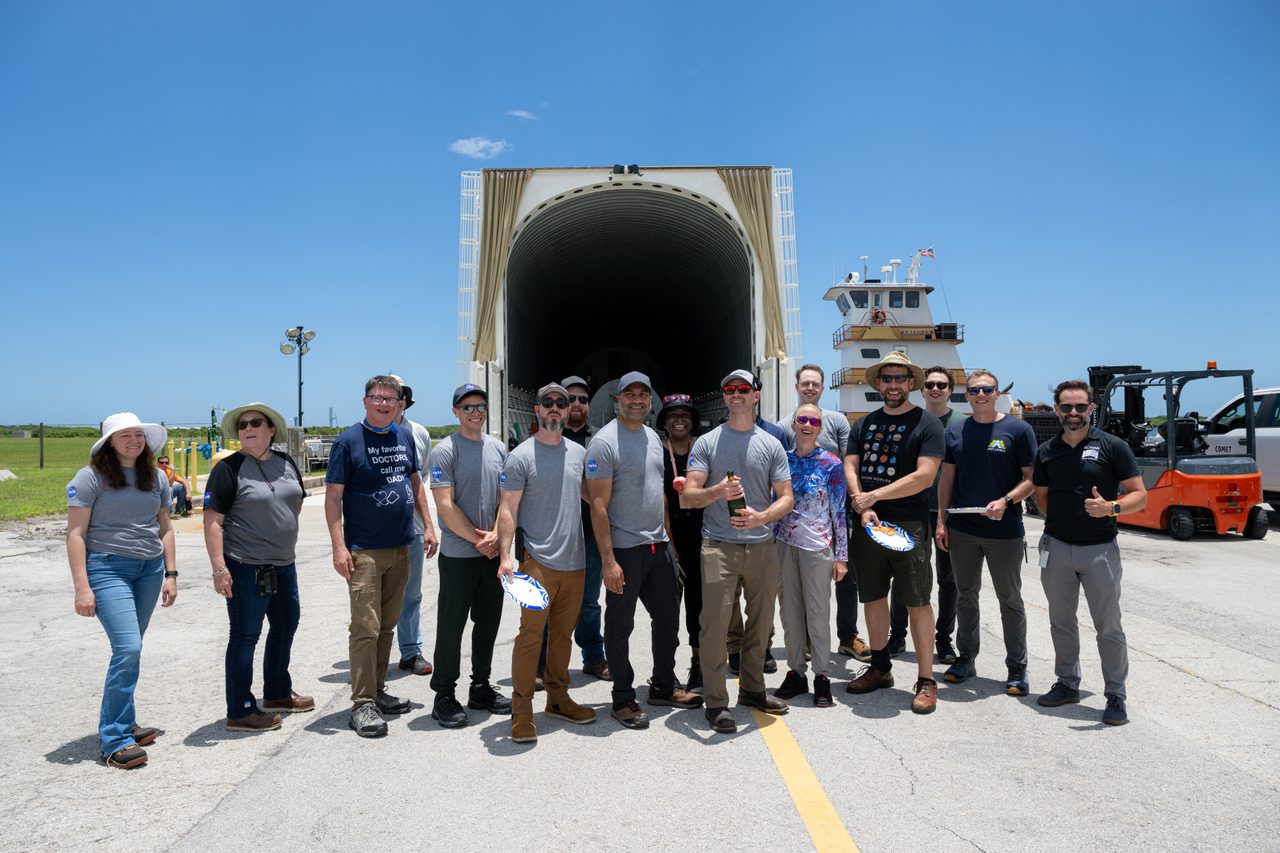
NASA's Roman Space Telescope has arrived in Florida for prelaunch servicing, a crucial step before its anticipated launch. The telescope, named after Nancy Grace Roman, NASA's first Chief of Astronomy, aims to explore dark energy, exoplanets, and infrared astrophysics. Its deployment will enhance our understanding of the universe, complementing existing observatories. The Roman Telescope's journey to its launch site marks a significant milestone in its mission timeline.
What to Watch
This week in space policy, discussions are set to focus on international collaboration and the future of human space exploration. Meanwhile, the space community is closely watching the upcoming Starship Flight 13. Additionally, recent changes in the B* drag term for several OneWeb satellites suggest potential manoeuvres or space weather impacts, which can be monitored using the Orbital Radar debris map.
Frequently Asked Questions
What is the significance of China's reusable Long March-10B test?
How can I track SpaceX's Starship Flight 13?
📎 Cite this article
Orbital Radar Newsroom. (2026). China's Reusable Rocket Success; Starship Prepares for Flight 13. Orbital Radar. https://orbitalradar.com/blog/orbital-briefing-2026-07-13"China's Reusable Rocket Success; Starship Prepares for Flight 13." Orbital Radar, 13 July 2026, https://orbitalradar.com/blog/orbital-briefing-2026-07-13.@misc{orbitalradar_orbital_briefing_2026_07_13,
title = {China's Reusable Rocket Success; Starship Prepares for Flight 13},
author = {{Orbital Radar}},
year = {2026},
howpublished = {\url{https://orbitalradar.com/blog/orbital-briefing-2026-07-13}}
}