This Week in Orbit: 2026-07-12
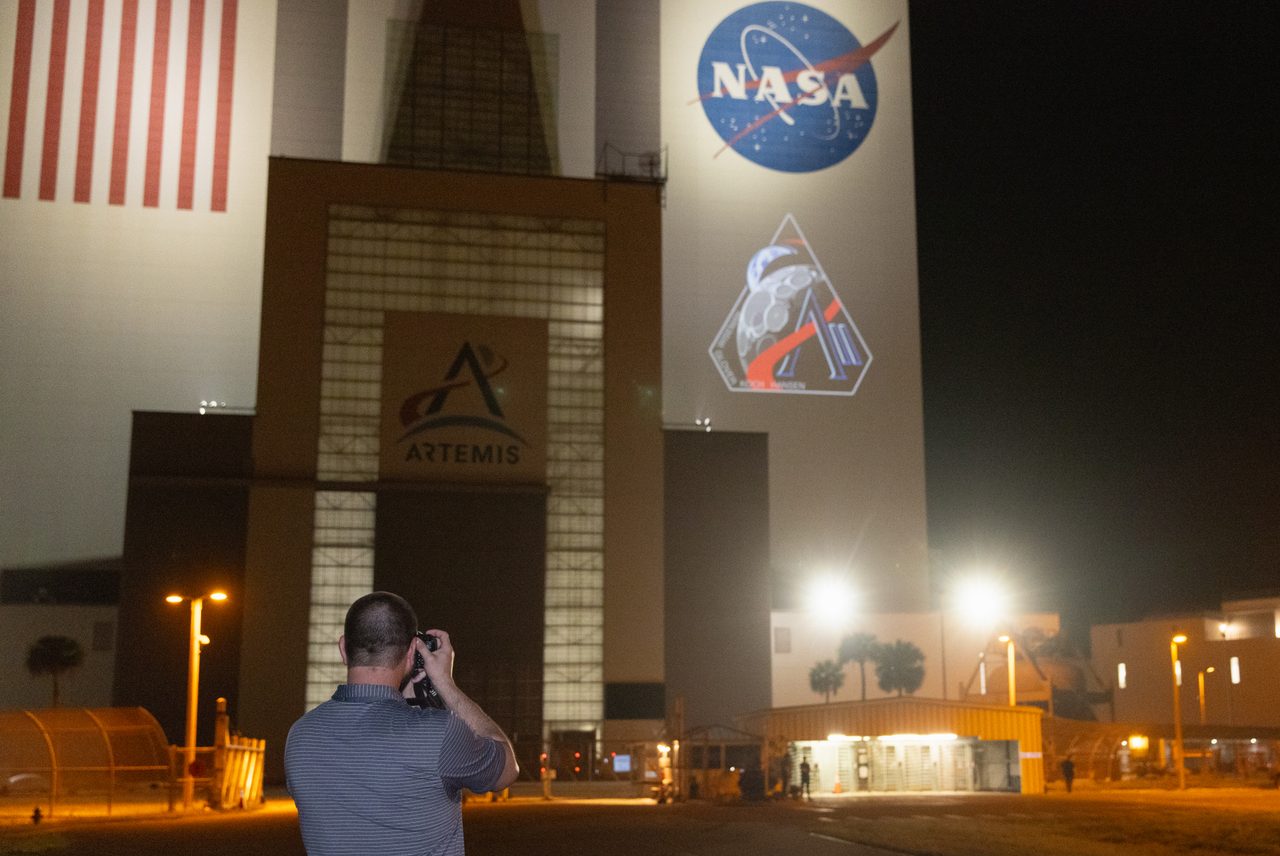
The past week in orbit has been marked by significant developments in space technology and scientific discovery. NASA's Artemis II mission has set a new streaming record, amassing 149 million views as interest in lunar exploration surges.
Week Overview
The past week in orbit has been marked by significant developments in space technology and scientific discovery. NASA's Artemis II mission has set a new streaming record, amassing 149 million views as interest in lunar exploration surges. Meanwhile, a breakthrough in space medicine has been achieved with the successful bioprinting of kidney and liver tissue in microgravity, potentially paving the way for advanced medical treatments in space. In other news, the passing of Wally Funk, an aviation pioneer and the oldest woman to travel to space, at the age of 87, marks the end of an era in space history.
Launch Activity
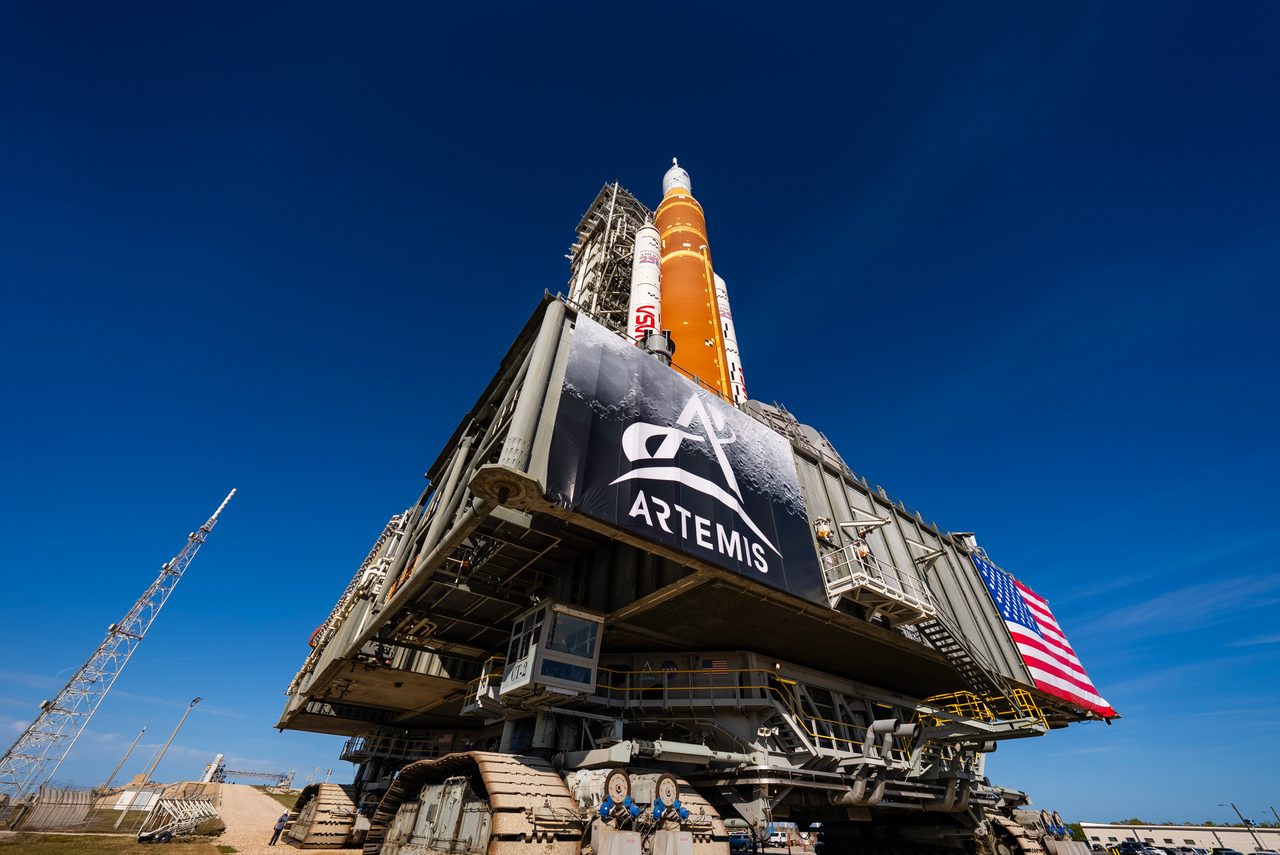
This week saw no new launches, a rare quiet period in an otherwise bustling launch schedule. The absence of launches provides an opportunity to reflect on the current state of space traffic, with 28,880 active satellites currently in orbit. The United States leads with 12,522 satellites, followed by Russia and China. The Orbital Radar Launch Schedule remains a valuable resource for tracking upcoming launches and understanding global launch trends.
Orbital Events
Starlink satellites have exhibited notable orbital changes this week. Several satellites, including STARLINK-2440 and STARLINK-2417, have undergone significant argument of perigee adjustments, suggesting possible manoeuvres or orbital element changes. Additionally, sharp changes in the B* drag term for satellites like STARLINK-2418 indicate potential interactions with space weather or deliberate manoeuvres. These events are meticulously tracked on the Orbital Radar Starlink Tracker, providing insights into satellite behaviour and space traffic management.
Space Weather
Space weather data for this week is unavailable, leaving a gap in our understanding of the current space environment. Space weather can significantly impact satellite operations, as evidenced by the drag term changes observed in several Starlink satellites. The Orbital Radar Debris Map continues to monitor the debris environment, which currently includes 8,756 pieces of tracked debris, highlighting the ongoing challenge of maintaining safe orbital operations.
Notable Satellites

The active satellite count stands at 28,880, with 17,593 classified as payloads. Among these, Starlink satellites play a prominent role, with 9,527 operational units contributing to global internet coverage. The Orbital Radar Satellite Library offers a comprehensive database for exploring the diverse array of satellites in orbit, including their purposes and operational statuses. This week, the potential use of permanent magnets to protect astronauts from solar storms has also been discussed, a concept that could influence future satellite designs.
Looking Ahead
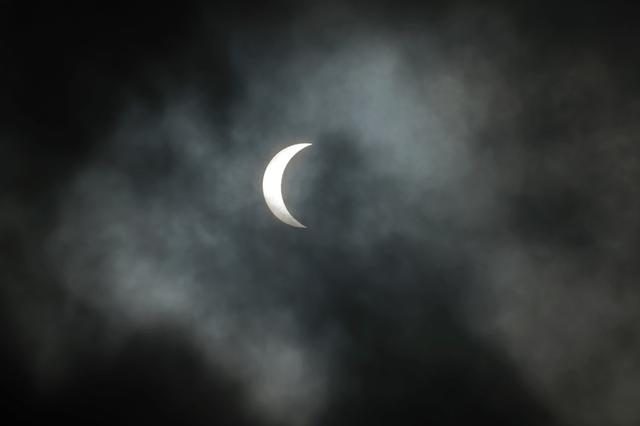
As we look forward, the anticipation builds for the total solar eclipse of 2026, now just one month away. This celestial event will offer a unique opportunity for scientific observation and public engagement. Details about the eclipse and its visibility can be explored through the Orbital Radar Moon Globe, which provides real-time lunar data and upcoming event information. Additionally, the potential for permanent magnets to shield astronauts from solar storms remains an area of active research, promising to enhance the safety of future space missions.
📎 Cite this article
Orbital Radar Newsroom. (2026). This Week in Orbit: 2026-07-12. Orbital Radar. https://orbitalradar.com/blog/this-week-in-orbit-2026-07-12"This Week in Orbit: 2026-07-12." Orbital Radar, 13 July 2026, https://orbitalradar.com/blog/this-week-in-orbit-2026-07-12.@misc{orbitalradar_this_week_in_orbit_2026_07_12,
title = {This Week in Orbit: 2026-07-12},
author = {{Orbital Radar}},
year = {2026},
howpublished = {\url{https://orbitalradar.com/blog/this-week-in-orbit-2026-07-12}}
}