SpaceX Falcon 9 Launches 81 Satellites in Midnight Rideshare
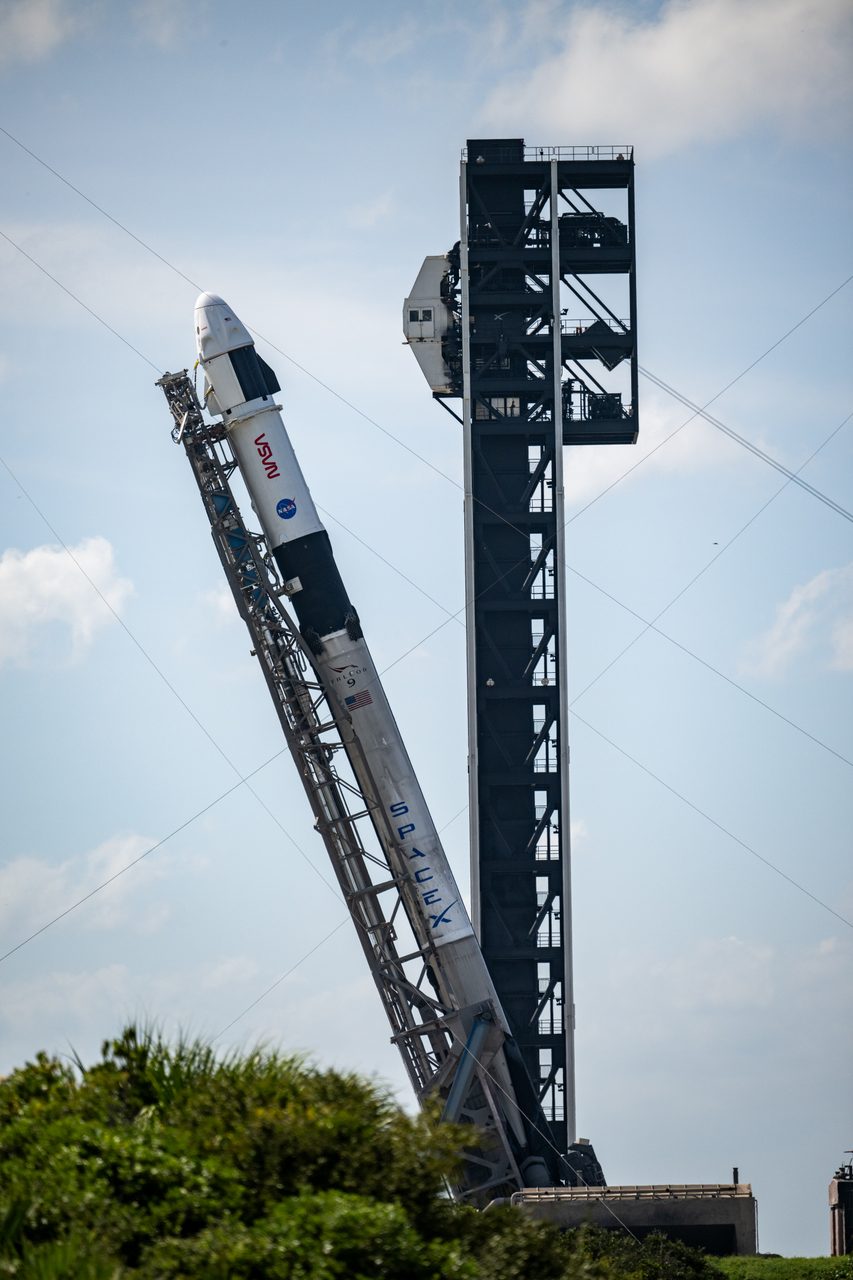
SpaceX's Falcon 9 launched 81 satellites in a rideshare mission. Meanwhile, close approaches continue to be monitored in orbit.
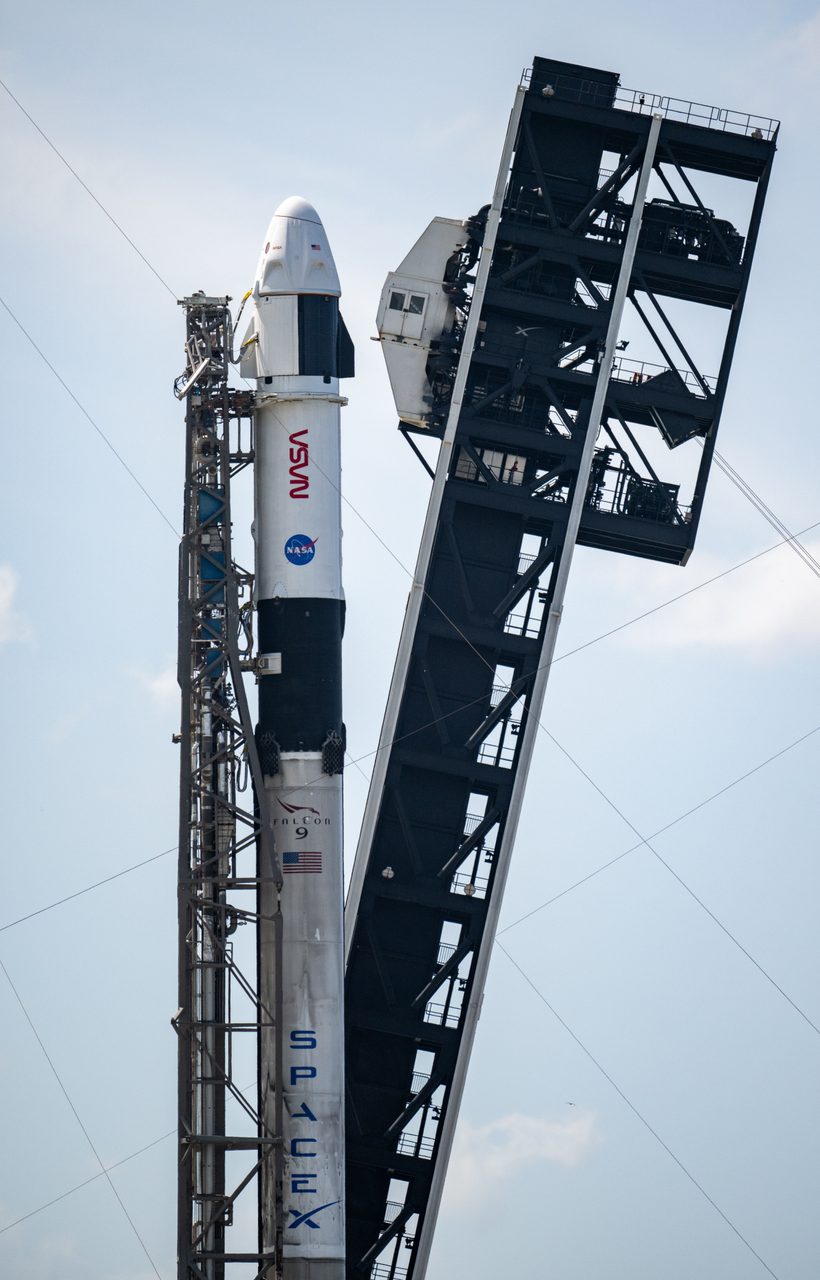
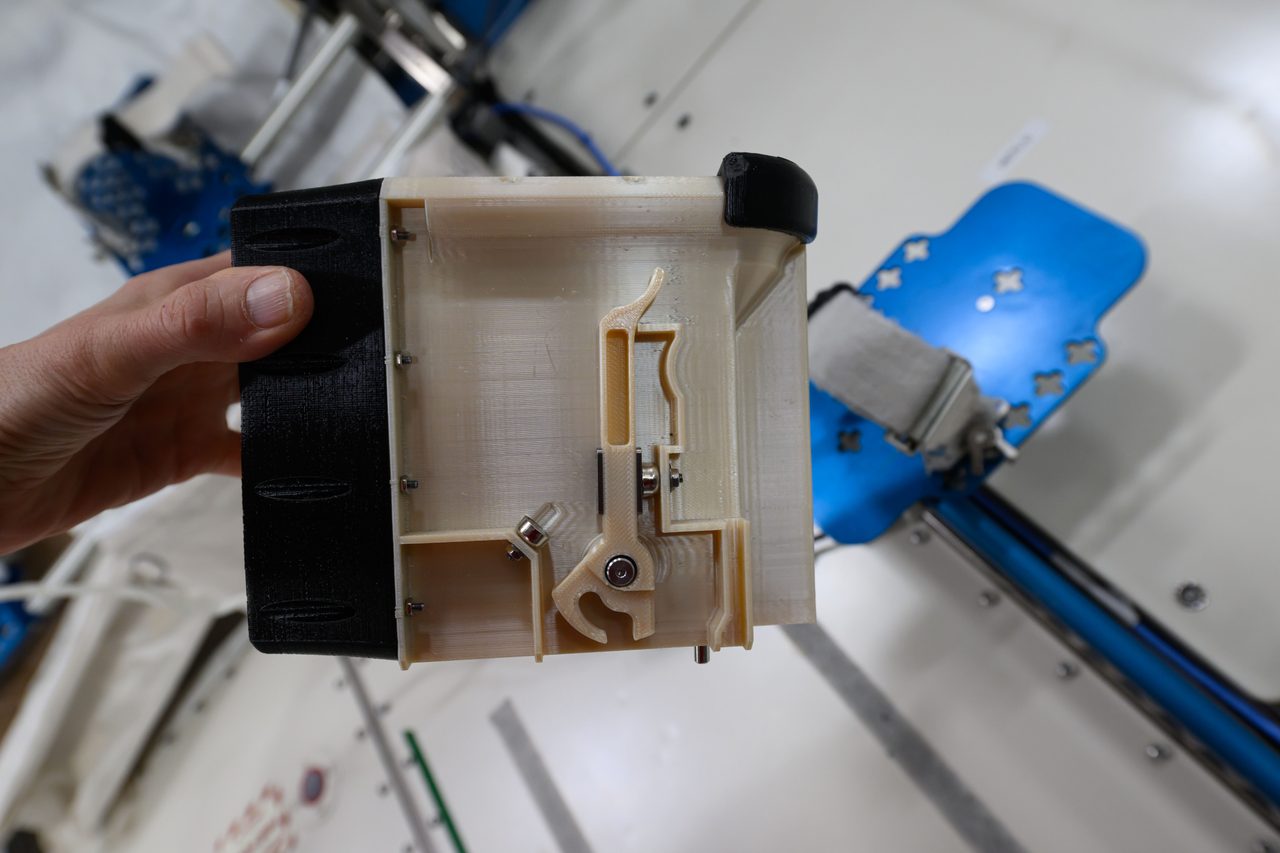
In the early hours of 7 July, SpaceX successfully launched a Falcon 9 rocket carrying 81 satellites from Cape Canaveral. This rideshare mission is part of SpaceX's ongoing efforts to provide cost-effective access to space for a variety of payloads. The launch included fire detectors, military technology demonstrations, and 3D printers, showcasing the diverse range of applications for space technology.
Close Approaches in Orbit
Several close approaches between satellites have been recorded, highlighting the increasing congestion in low Earth orbit. Notably, TERRA SAR X and TANDEM X came within approximately 0.14 km of each other. Such events underscore the importance of monitoring satellite positions to prevent collisions. Users can explore these interactions further using the Orbital Radar Debris Map.
Hubble's Ongoing Journey
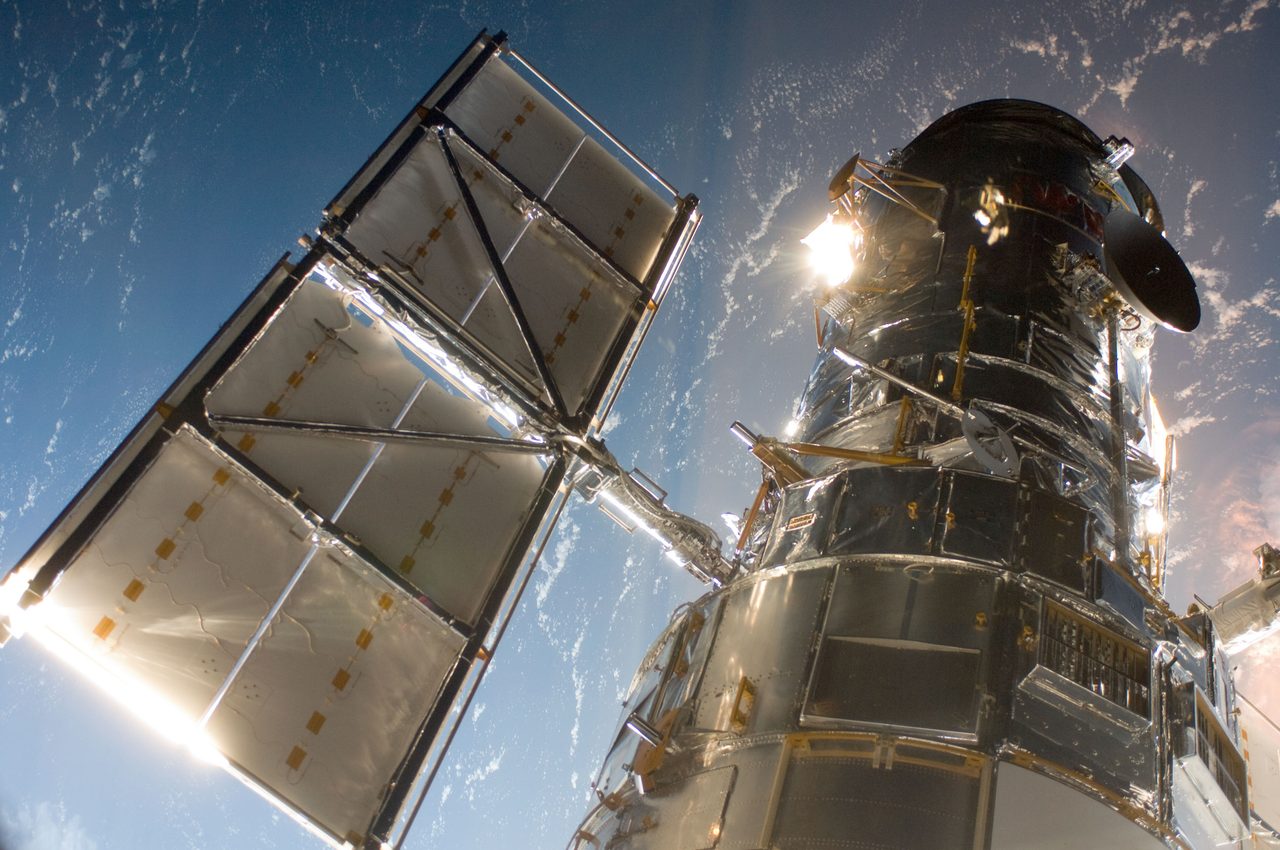
Since its launch in 1990, the Hubble Space Telescope has travelled over 4 billion miles, continuing to provide invaluable data about the universe. This milestone highlights the longevity and success of one of NASA's most iconic instruments. Hubble's contributions to astronomy have been profound, offering insights into phenomena such as black holes and distant galaxies.
What to Watch
While no new launches are scheduled for today, the recent debut of the Long March 10B and Vikram-I launch vehicles marks significant progress in space exploration capabilities. These developments are detailed in the Orbital Radar Launch Schedule. Additionally, the ongoing analysis of interstellar comet 3I/ATLAS continues to intrigue astronomers, offering clues about the early universe.
Frequently Asked Questions
What was launched on the recent SpaceX Falcon 9 mission?
How close did TERRA SAR X and TANDEM X come to each other?
📎 Cite this article
Orbital Radar Newsroom. (2026). SpaceX Falcon 9 Launches 81 Satellites in Midnight Rideshare. Orbital Radar. https://orbitalradar.com/blog/orbital-briefing-2026-07-07"SpaceX Falcon 9 Launches 81 Satellites in Midnight Rideshare." Orbital Radar, 7 July 2026, https://orbitalradar.com/blog/orbital-briefing-2026-07-07.@misc{orbitalradar_orbital_briefing_2026_07_07,
title = {SpaceX Falcon 9 Launches 81 Satellites in Midnight Rideshare},
author = {{Orbital Radar}},
year = {2026},
howpublished = {\url{https://orbitalradar.com/blog/orbital-briefing-2026-07-07}}
}