Hayabusa2's Laser Success and Starlink Manoeuvres
Japan's Hayabusa2 completes a pioneering laser ranging experiment with an asteroid. Starlink satellites adjust orbits, and space weather remains stable.
| Active satellites | 18,109 |
| Starlink active | 9,831 |
| Catalogued objects | 29,436 |
| Active close approaches | 14 |
| People in space | 1,120,260,913,054,928 |
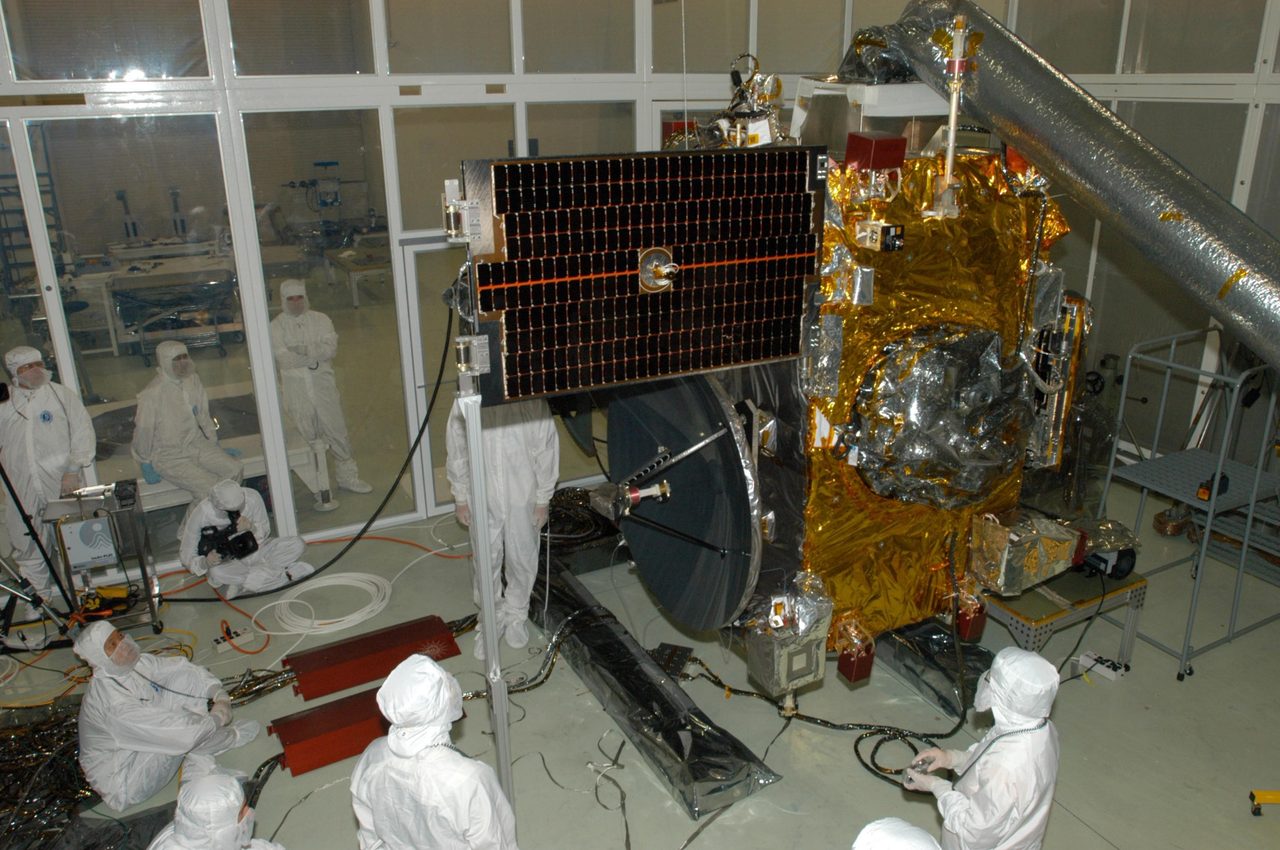
Japan's Hayabusa2 mission has achieved a significant milestone by performing the first-ever laser ranging experiment with an asteroid. This pioneering test involved using a laser to measure the distance to the asteroid, providing critical data for future missions. The success of this experiment underscores the potential for laser technology in deep-space navigation and exploration.
Starlink Satellite Manoeuvres
Several Starlink satellites have recently undergone orbital adjustments, as indicated by changes in their argument of perigee. Satellites STARLINK-3375, STARLINK-3374, STARLINK-3173, STARLINK-3358, and STARLINK-3355 all exhibited shifts ranging from 8.09° to 9.79°. These manoeuvres are part of routine operations to maintain optimal positioning within their constellation. As of 13 September 2026, 9,831 Starlink satellites are operational, according to Orbital Radar tracking data.
Space Weather and Environment
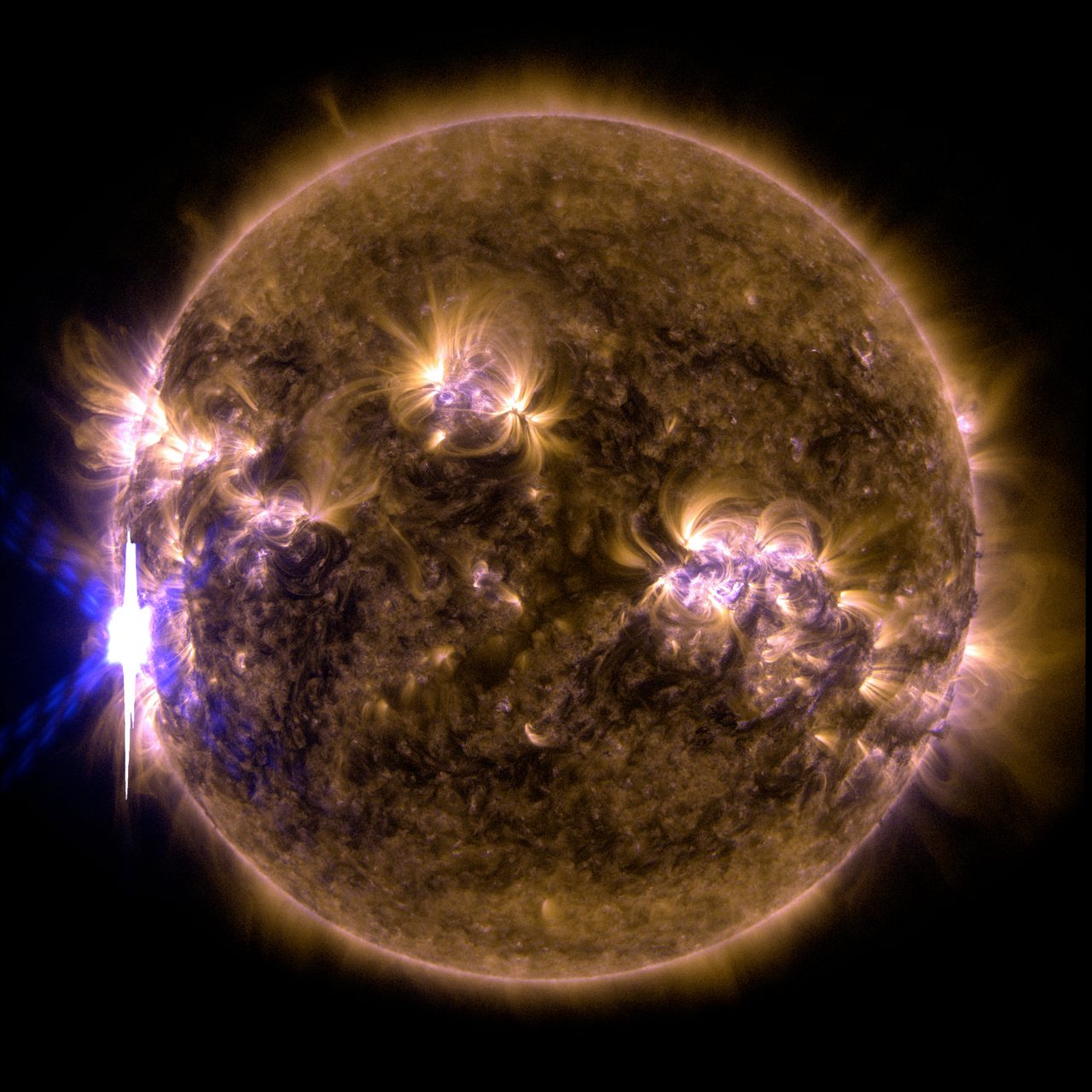
Current space weather conditions are stable, with a Kp index of 4, indicating a low level of geomagnetic activity. The solar wind speed is 400 km/s, and the density is 5.4 protons/cm³, both within normal ranges. The orbital environment remains crowded, with 29,408 tracked objects, including 8,833 pieces of debris. This underscores the importance of monitoring space debris, which can be visualised on the Orbital Radar Debris Map.
What to Watch
Although there are no immediate launches scheduled, the European commercial launch sector is showing increased activity. This trend is expected to continue, potentially leading to more frequent launches in the coming months. For those interested in tracking upcoming events, the Orbital Radar Launch Schedule provides detailed information on future launches.
Frequently Asked Questions
What did Hayabusa2 accomplish with its laser experiment?
How many Starlink satellites are currently operational?
📎 Cite this article · data available
Orbital Radar Newsroom. (2026). Hayabusa2's Laser Success and Starlink Manoeuvres. Orbital Radar. https://orbitalradar.com/blog/orbital-briefing-2026-09-13"Hayabusa2's Laser Success and Starlink Manoeuvres." Orbital Radar, 13 September 2026, https://orbitalradar.com/blog/orbital-briefing-2026-09-13.@misc{orbitalradar_orbital_briefing_2026_09_13,
title = {Hayabusa2's Laser Success and Starlink Manoeuvres},
author = {{Orbital Radar}},
year = {2026},
howpublished = {\url{https://orbitalradar.com/blog/orbital-briefing-2026-09-13}}
}