Roman Telescope Powers On as Tianhui Satellites Near Miss

The Roman Space Telescope has successfully powered on its Coronagraph Instrument, while Tianhui satellites narrowly avoid collision. Track satellite passes and space weather updates on Orbital Radar.
| Active satellites | 18,110 |
| Starlink active | 9,826 |
| Catalogued objects | 29,469 |
| Predicted re-entries | 18 |
| Active close approaches | 18 |
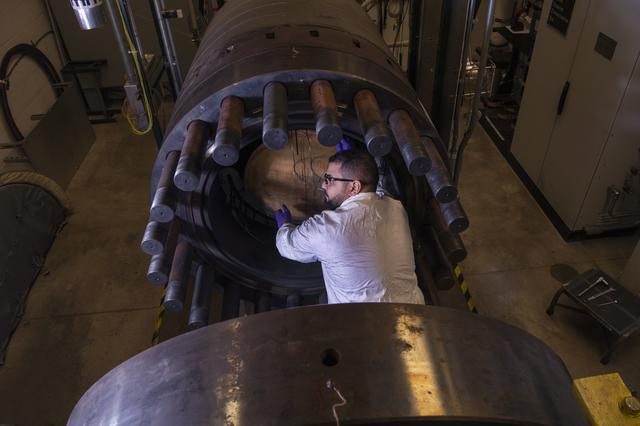
The Nancy Grace Roman Space Telescope has reached a significant milestone with the successful deployment of its solar array and activation of its Coronagraph Instrument. This instrument is designed to directly image exoplanets by blocking out the light from their host stars. The Roman telescope's progress marks a key step in its mission to explore cosmic phenomena and expand our understanding of the universe. Explore more about space telescopes on Orbital Radar.
Close Approaches in Orbit

A close approach was recorded between Tianhui 5A and Tianhui 5B, with a minimum distance of approximately 1.13 km. Such events highlight the growing congestion in low Earth orbit (LEO), where 18,110 active satellites are currently operational. Orbital Radar's Debris Map provides real-time tracking of such close encounters, crucial for maintaining space situational awareness.
Space Weather and Satellite Operations

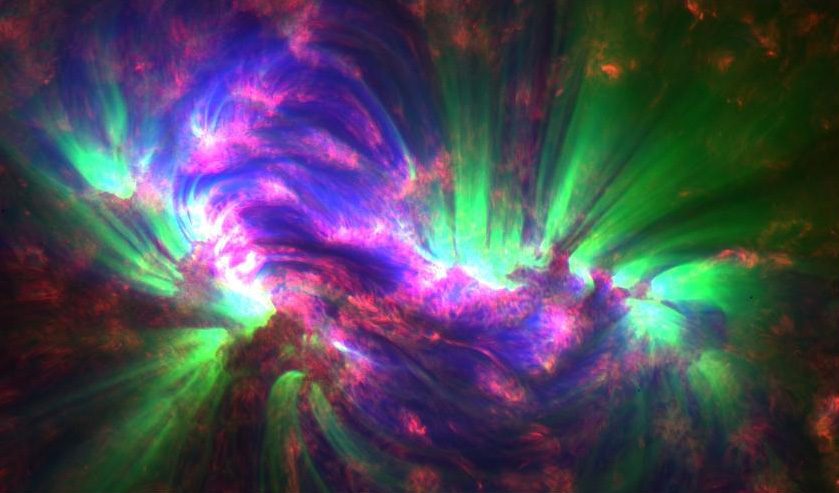
Current space weather conditions are relatively calm, with a Kp index of 2 indicating low geomagnetic activity. However, the F10.7 solar flux index is at 138, suggesting moderate solar activity that could affect satellites in geostationary orbit (GEO). Orbital Radar's Space Situational Awareness toolkit offers detailed insights into space weather impacts on satellite operations.
What to Watch
While no launches are scheduled for today, the space community is anticipating NASA's Artemis Accords signing ceremony in Djibouti. This event underscores international collaboration in space exploration. For future launches, consult Orbital Radar's Launch Schedule for the latest updates.
Frequently Asked Questions
What is the Roman Space Telescope's mission?
How many active satellites are in orbit as of September 2026?
📎 Cite this article · data available
Orbital Radar Newsroom. (2026). Roman Telescope Powers On as Tianhui Satellites Near Miss. Orbital Radar. https://orbitalradar.com/blog/orbital-briefing-2026-09-11"Roman Telescope Powers On as Tianhui Satellites Near Miss." Orbital Radar, 11 September 2026, https://orbitalradar.com/blog/orbital-briefing-2026-09-11.@misc{orbitalradar_orbital_briefing_2026_09_11,
title = {Roman Telescope Powers On as Tianhui Satellites Near Miss},
author = {{Orbital Radar}},
year = {2026},
howpublished = {\url{https://orbitalradar.com/blog/orbital-briefing-2026-09-11}}
}