Hayabusa2's Asteroid Laser Experiment Marks a Milestone
Japan's Hayabusa2 has achieved a first-ever laser ranging experiment with an asteroid, marking a significant milestone in space exploration.
| Active satellites | 18,037 |
| Starlink active | 9,813 |
| Catalogued objects | 29,422 |
| Predicted re-entries | 11 |
| Active close approaches | 18 |
Japan's Hayabusa2 spacecraft has achieved a significant milestone by conducting the first-ever laser ranging experiment with an asteroid. This experiment, involving the asteroid Ryugu, marks a new chapter in our ability to study celestial bodies with unprecedented precision. Hayabusa2's mission, which began with its launch in December 2014, has already provided valuable samples from Ryugu, enhancing our understanding of the early solar system.
Close Approaches in Orbit
Several close approaches between satellites have been recorded, highlighting the increasing congestion in low Earth orbit. Notably, SuperView NEO-2 05 and SuperView NEO-2 06 came within approximately 1.17 km of each other. Such events underscore the importance of space situational awareness, which can be explored further in our SSA hub. As of today, 18 active close approaches are being tracked, according to Orbital Radar's live catalogue.
Space Weather Conditions
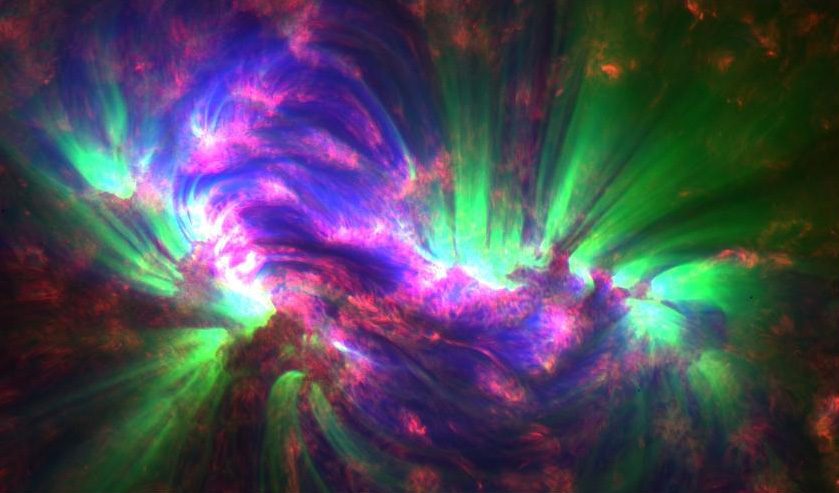
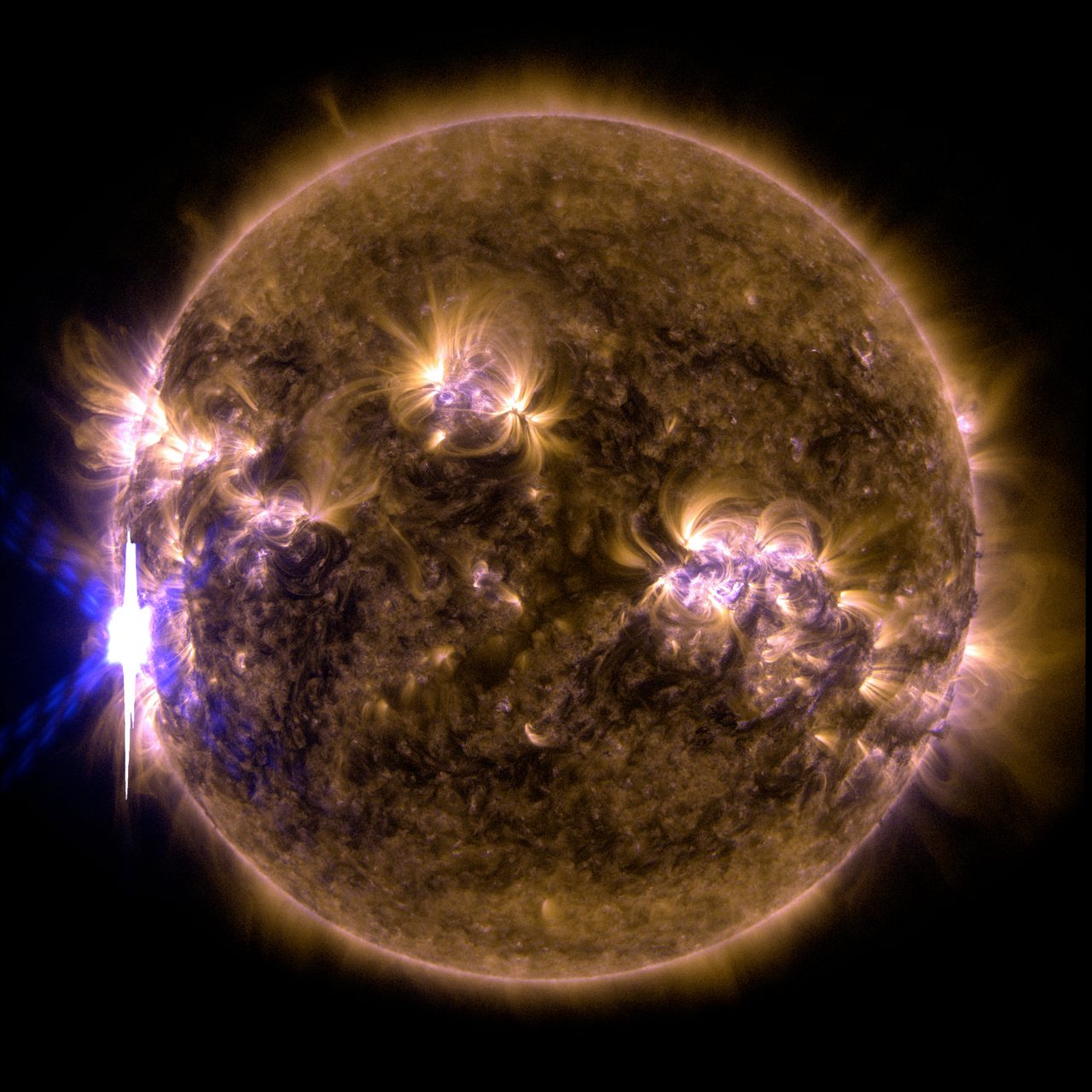
Current space weather conditions remain largely stable, with a Kp index of 0 indicating minimal geomagnetic activity. However, the solar radio flux (F10.7) is at a high level of 211, which is a red flag for increased solar activity. This could impact satellites in geostationary orbit, where the risk level is marked as red. For the latest updates, users can refer to our space situational awareness toolkit.
What to Watch
While no new launches are scheduled for today, the space community is anticipating upcoming missions, including NASA's initiatives to accelerate lunar surface technologies. These developments are part of a broader effort to establish a sustainable human presence on the Moon. For more details on future launches, consult our launch schedule.
Frequently Asked Questions
What is Hayabusa2's latest achievement?
How many active satellites are currently in orbit?
📎 Cite this article · data available
Orbital Radar Newsroom. (2026). Hayabusa2's Asteroid Laser Experiment Marks a Milestone. Orbital Radar. https://orbitalradar.com/blog/orbital-briefing-2026-09-09"Hayabusa2's Asteroid Laser Experiment Marks a Milestone." Orbital Radar, 9 September 2026, https://orbitalradar.com/blog/orbital-briefing-2026-09-09.@misc{orbitalradar_orbital_briefing_2026_09_09,
title = {Hayabusa2's Asteroid Laser Experiment Marks a Milestone},
author = {{Orbital Radar}},
year = {2026},
howpublished = {\url{https://orbitalradar.com/blog/orbital-briefing-2026-09-09}}
}