Understanding the Outer Space Treaty: A Comprehensive Guide

The Outer Space Treaty, established in 1967, forms the foundation of international space law, promoting peaceful exploration and preventing the militarisation of space.
The Outer Space Treaty, formally known as the 'Treaty on Principles Governing the Activities of States in the Exploration and Use of Outer Space, including the Moon and Other Celestial Bodies', was opened for signature in 1967. It establishes a framework for international space law, ensuring that space exploration is conducted for the benefit of all countries and that celestial bodies are not subject to national appropriation.
The Core Principles of the Outer Space Treaty
The treaty outlines several key principles. Firstly, it asserts that outer space, including the Moon and other celestial bodies, shall be free for exploration and use by all countries. It prohibits the placement of nuclear weapons in space and limits the use of celestial bodies to peaceful purposes. The treaty also establishes that states are responsible for national space activities, whether conducted by governmental or non-governmental entities, and liable for damages caused by their space objects.
Historical Context and Development
The Outer Space Treaty was developed during the Cold War, a period marked by intense rivalry between the United States and the Soviet Union. The treaty emerged from the desire to prevent the extension of nuclear arms competition into space and to promote peaceful cooperation. It was signed by the United States, the Soviet Union, and the United Kingdom on 27 January 1967, and entered into force on 10 October 1967.
Why the Outer Space Treaty Matters Today

In an era where space activities are rapidly expanding, the Outer Space Treaty remains a cornerstone of space governance. With over 18,689 active satellites currently in orbit, including 11,045 Starlink satellites, the treaty's principles help manage the increasing complexity of space operations. It ensures that space remains a global commons, promoting international collaboration and preventing conflicts over space resources.
Challenges and Criticisms
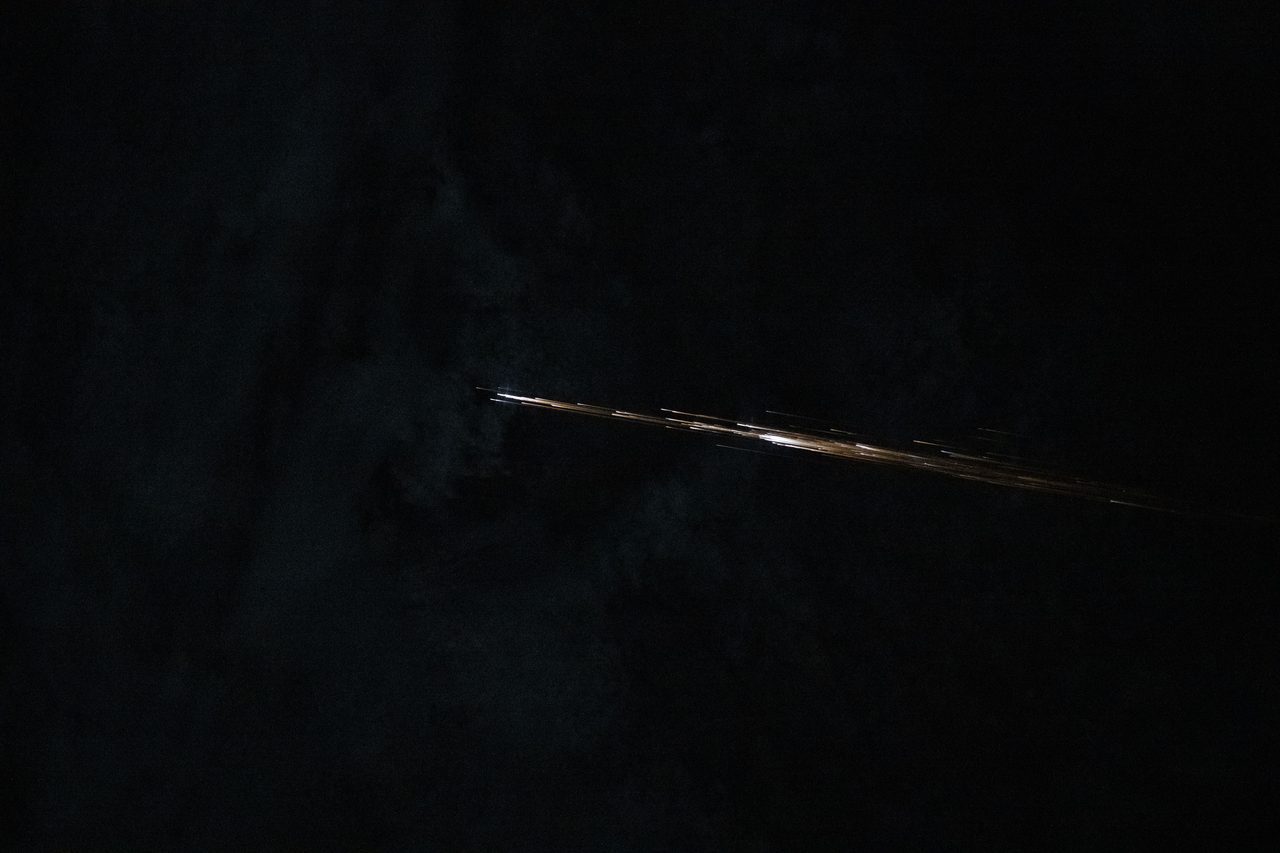
Despite its foundational role, the Outer Space Treaty faces challenges. Critics argue that it lacks enforcement mechanisms and does not address contemporary issues such as space debris, commercial exploitation, and the militarisation of space. With 29,252 catalogued objects in orbit, the treaty's provisions on liability and responsibility are increasingly tested. The absence of clear guidelines for private companies further complicates the regulatory landscape.
The Future of Space Governance

As space activities evolve, discussions around updating or supplementing the Outer Space Treaty are ongoing. Proposals include establishing clearer regulations for private entities and developing international frameworks for resource utilisation on celestial bodies. The treaty's adaptability will be crucial in addressing the needs of a rapidly advancing space sector, ensuring that space exploration remains sustainable and peaceful.
Key Takeaways
The Outer Space Treaty is a pivotal document that underpins international space law. It promotes peaceful exploration, prohibits the militarisation of space, and holds states accountable for their space activities. While it faces challenges in addressing modern space issues, its principles continue to guide the global space community. For further insights, explore the Outer Space Treaty page and our resources on space situational awareness.
Frequently Asked Questions
What is the main purpose of the Outer Space Treaty?
How many countries are signatories to the Outer Space Treaty?
Does the Outer Space Treaty address space debris?
Can private companies own land on the Moon under the Outer Space Treaty?
What happens if a country violates the Outer Space Treaty?
📎 Cite this article
Orbital Radar Newsroom. (2026). Understanding the Outer Space Treaty: A Comprehensive Guide. Orbital Radar. https://orbitalradar.com/blog/outer-space-treaty-explainer"Understanding the Outer Space Treaty: A Comprehensive Guide." Orbital Radar, 28 August 2026, https://orbitalradar.com/blog/outer-space-treaty-explainer.@misc{orbitalradar_outer_space_treaty_explainer,
title = {Understanding the Outer Space Treaty: A Comprehensive Guide},
author = {{Orbital Radar}},
year = {2026},
howpublished = {\url{https://orbitalradar.com/blog/outer-space-treaty-explainer}}
}