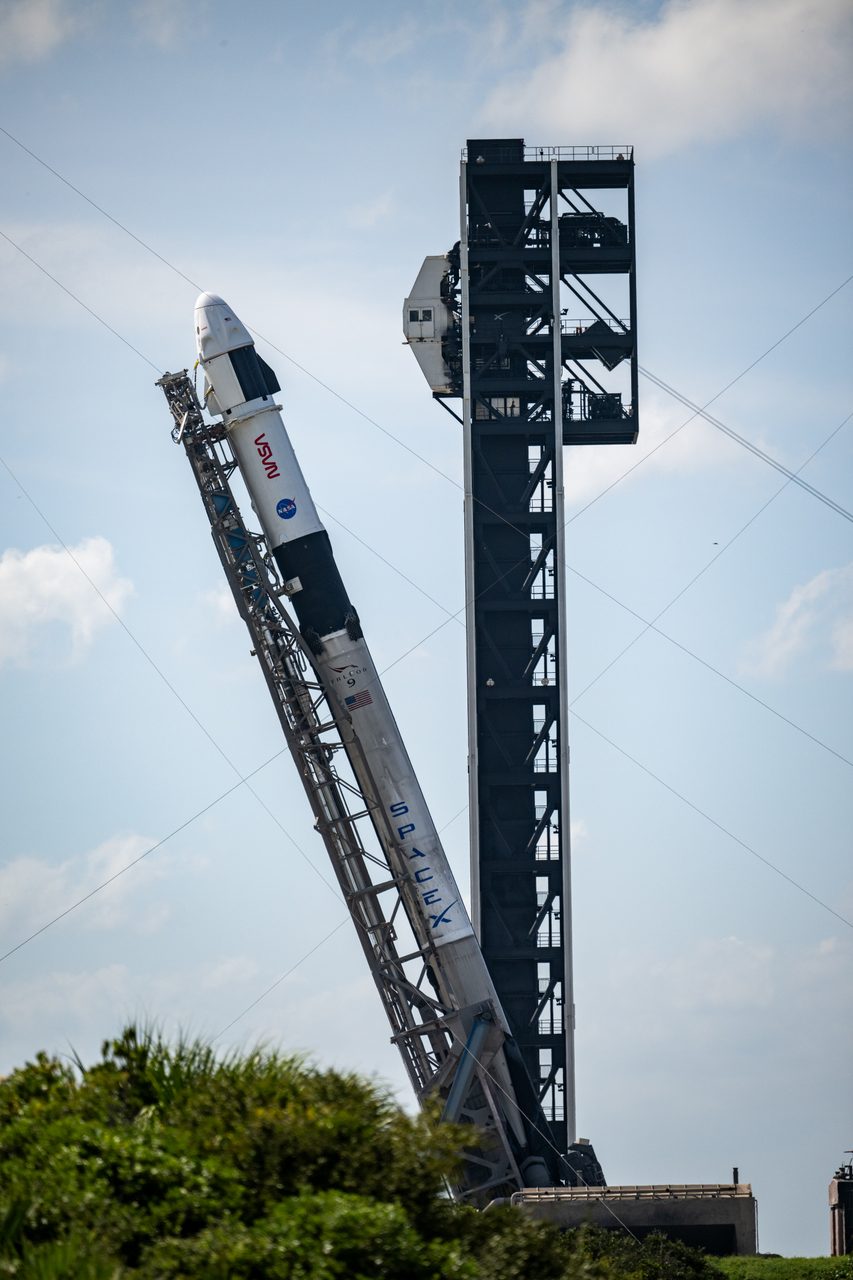
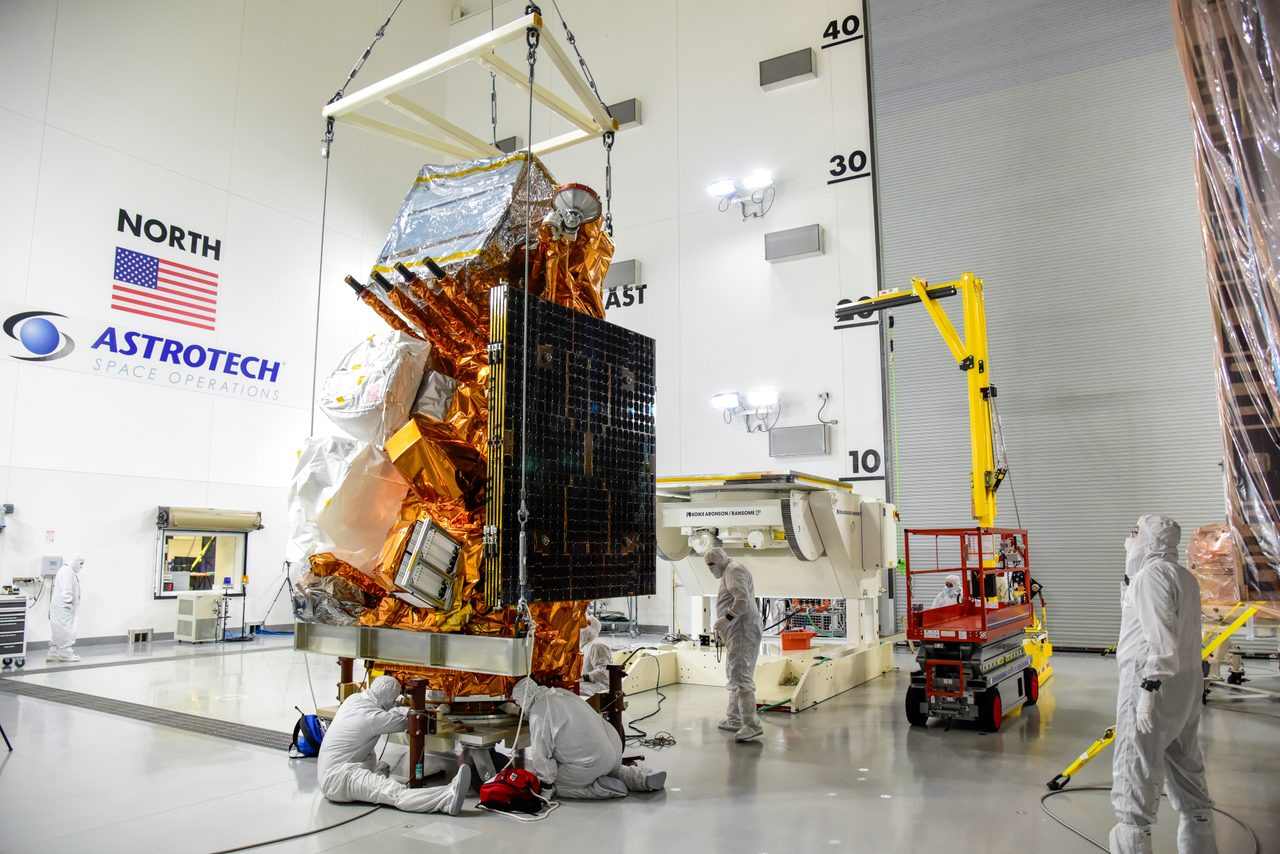
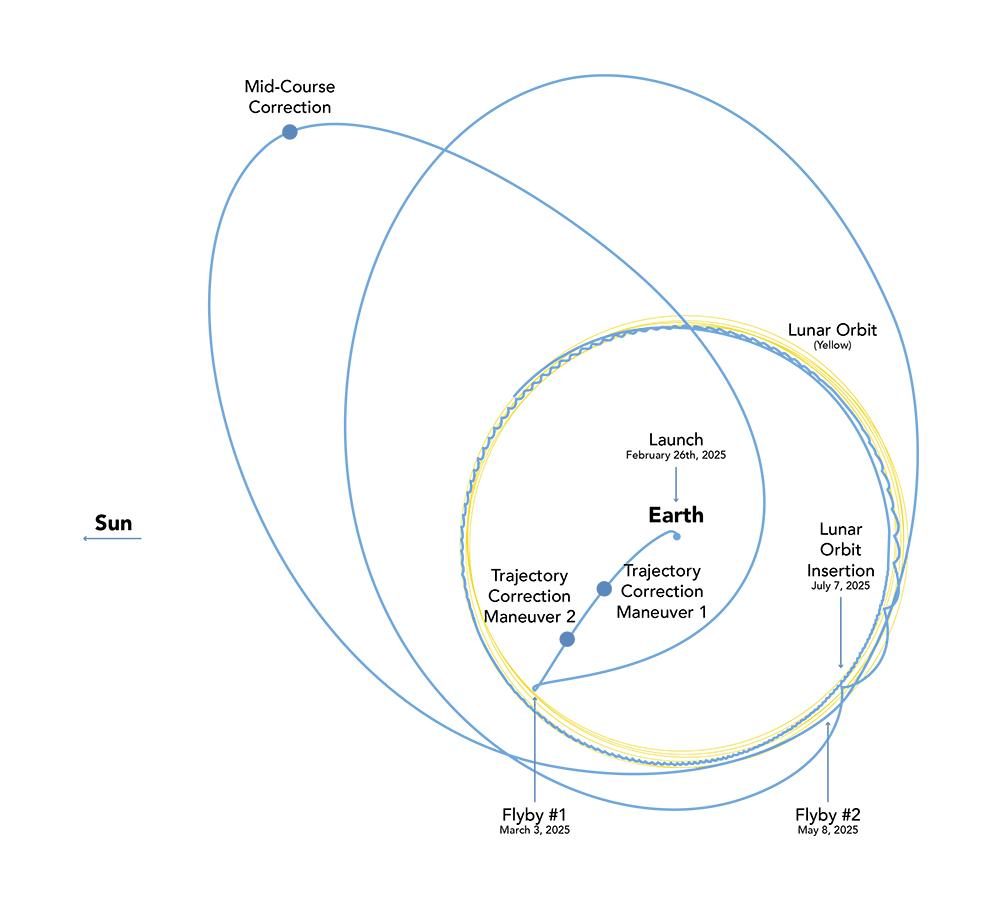
Rocket Launch Windows: Understanding Timing and Strategy
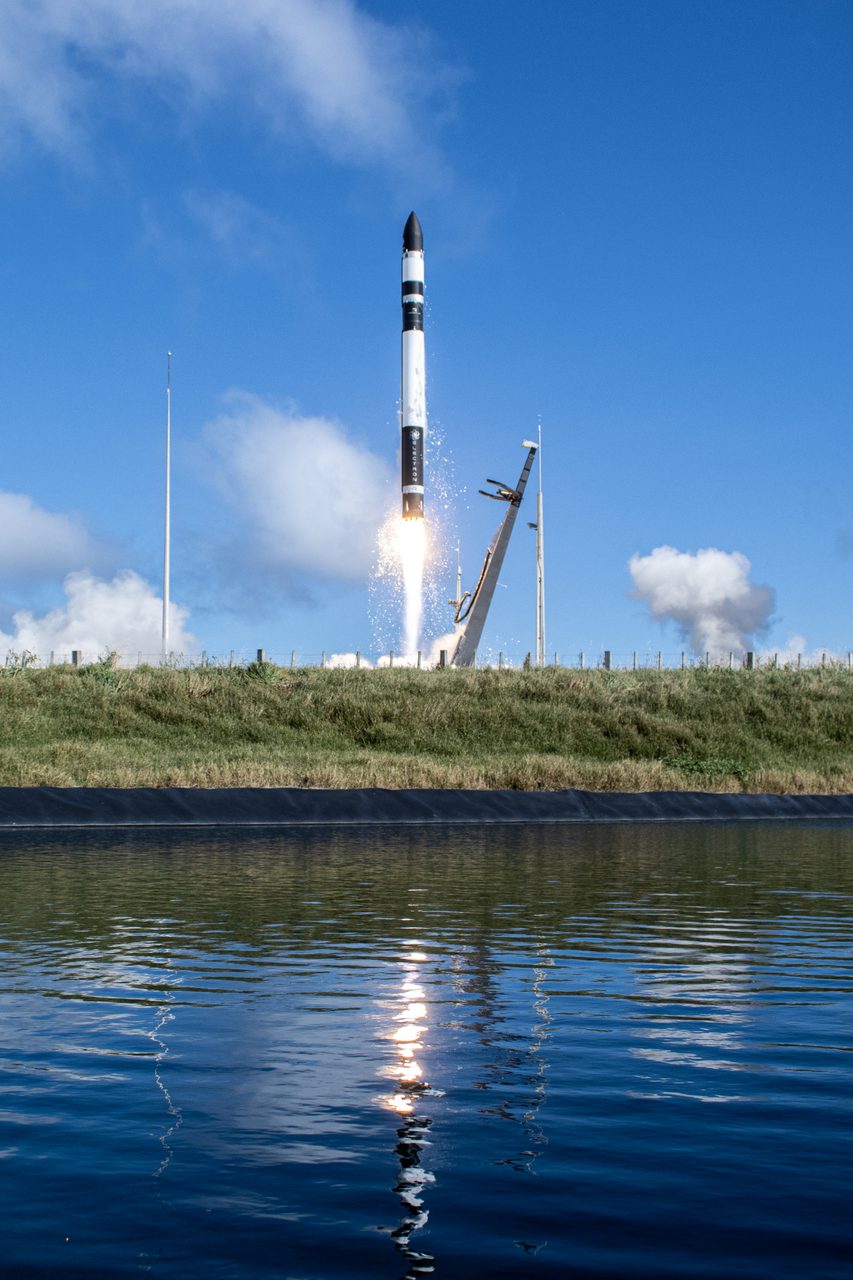
A launch window is the specific time period during which a rocket must be launched to reach its intended orbit or destination. Discover why timing is critical.
| Active satellites | 15,730 |
| Starlink active | 9,845 |
| Catalogued objects | 31,448 |
| Active close approaches | 22 |
| People in space | 10 |
A launch window is the specific period during which a rocket must be launched to achieve its intended orbit or destination. This timing is crucial to ensure the spacecraft can reach its target efficiently and safely, taking into account factors like Earth's rotation, orbital mechanics, and mission objectives.
How Are Launch Windows Determined?
Launch windows are calculated based on a variety of factors including the position of celestial bodies, the rotation of the Earth, and the specific orbital path required. For instance, launching to the International Space Station (ISS) requires precise timing to align with its orbit, which is approximately 420 km above Earth. The Orbital Radar launch schedule provides details on upcoming launches and their windows.
Why Do Launch Windows Matter?

The importance of launch windows lies in their impact on mission success and resource efficiency. Launching outside the optimal window can lead to increased fuel consumption, missed orbital insertions, or even mission failure. For example, launching a satellite into a geostationary orbit requires precise timing to ensure it remains fixed relative to the Earth's surface.
Launch Windows for Different Missions
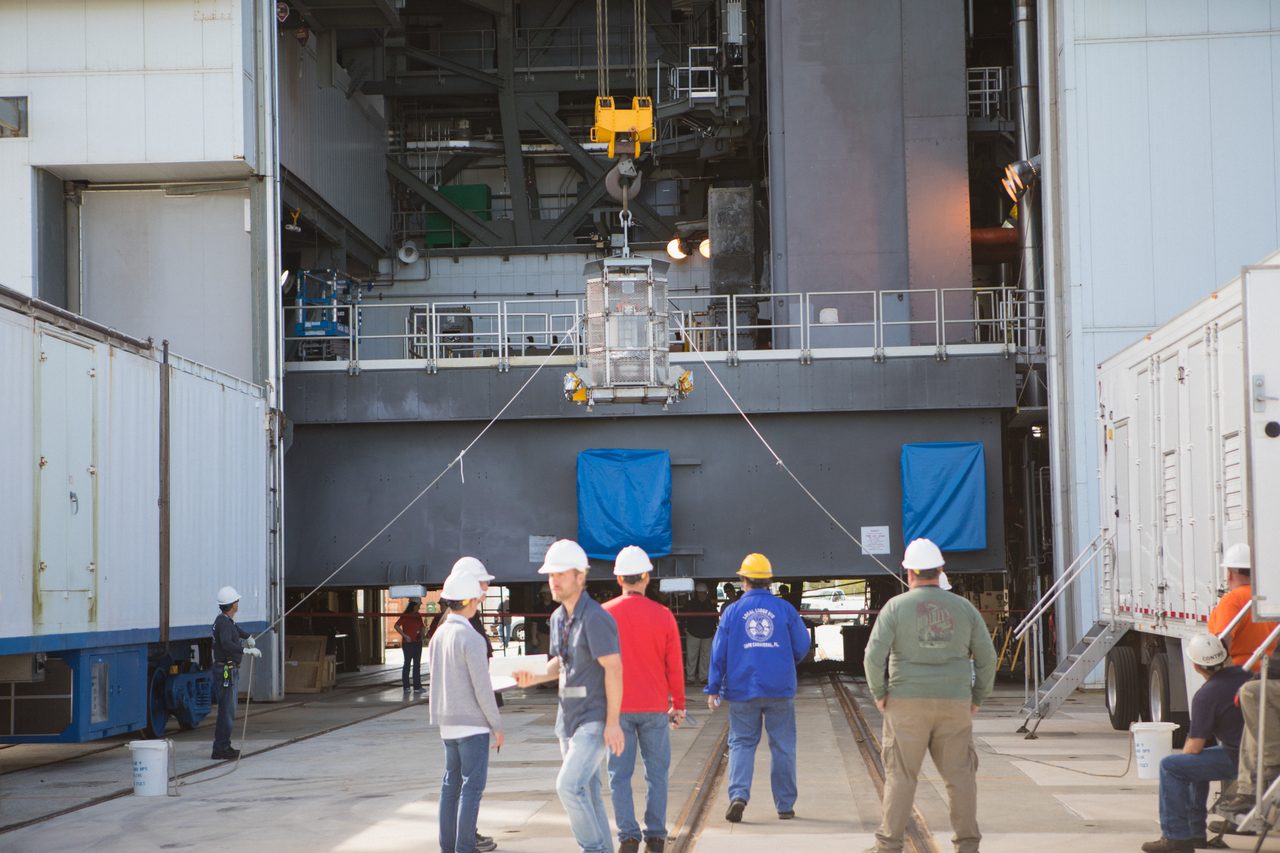
Different types of missions have varying launch window requirements. Interplanetary missions, such as those to Mars, have narrow windows occurring every 26 months due to planetary alignment. In contrast, missions to low Earth orbit (LEO) may have more frequent opportunities. The Orbital Radar launch vehicles page provides insights into the rockets used for these missions.
Launch Windows and Weather Conditions
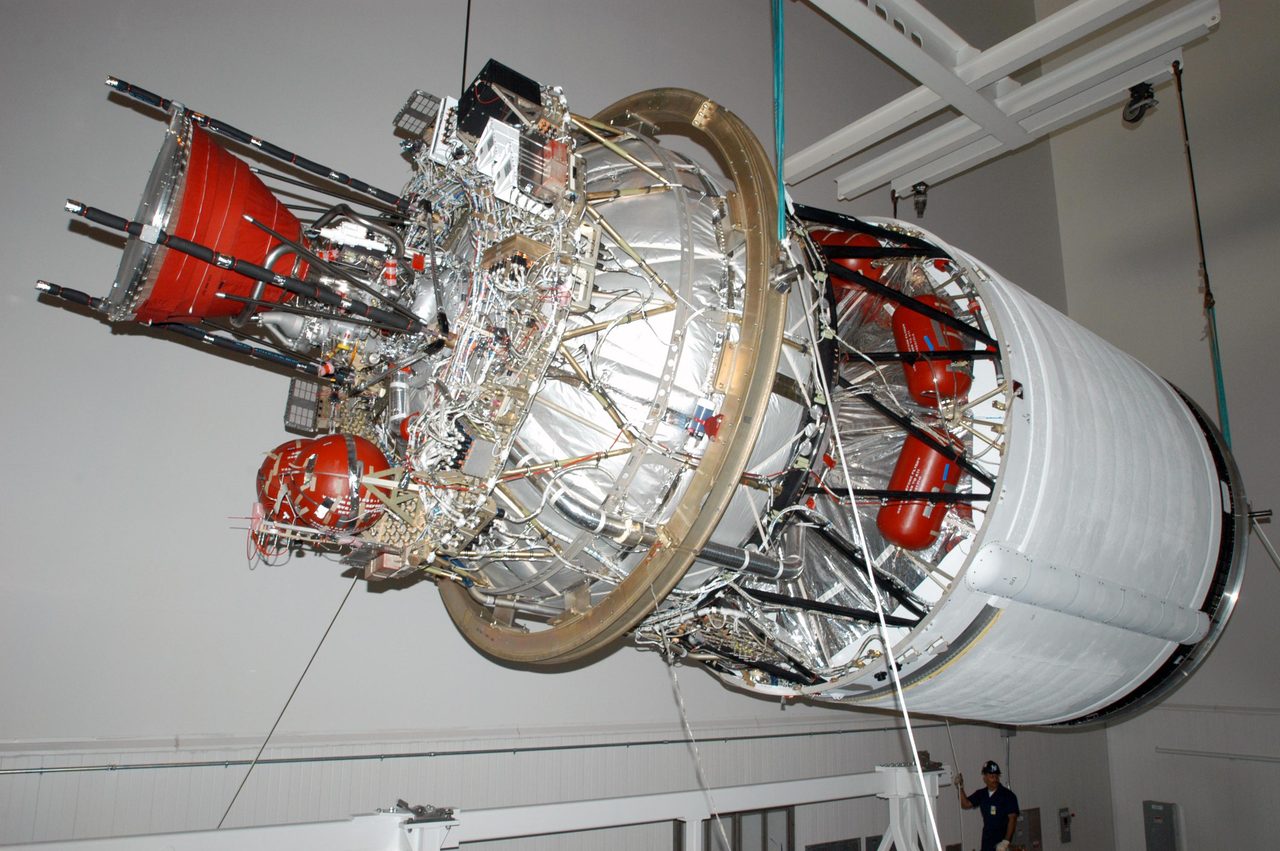
Weather conditions play a significant role in determining whether a launch can proceed. Factors such as wind speed, lightning, and cloud cover are assessed during the countdown. Launches have been scrubbed or delayed due to adverse weather, highlighting the need for flexible windows. The Orbital Radar glossary explains terms related to weather impacts on launches.
Key Takeaways
Understanding launch windows is essential for successful space missions. They ensure that rockets can reach their intended orbits efficiently and safely. Factors such as Earth's rotation, celestial alignments, and weather conditions all influence these windows. Staying informed via resources like the Orbital Radar launch schedule is crucial for tracking upcoming missions.
Frequently Asked Questions
What is a launch window?
How is a launch window calculated?
Why are launch windows important?
How do weather conditions affect launch windows?
Do all missions have the same launch window requirements?
📎 Cite this article · data available
Orbital Radar Newsroom. (2026). Rocket Launch Windows: Understanding Timing and Strategy. Orbital Radar. https://orbitalradar.com/blog/launch-windows-explainer"Rocket Launch Windows: Understanding Timing and Strategy." Orbital Radar, 21 September 2026, https://orbitalradar.com/blog/launch-windows-explainer.@misc{orbitalradar_launch_windows_explainer,
title = {Rocket Launch Windows: Understanding Timing and Strategy},
author = {{Orbital Radar}},
year = {2026},
howpublished = {\url{https://orbitalradar.com/blog/launch-windows-explainer}}
}