CubeSats: Understanding the Small Satellite Revolution
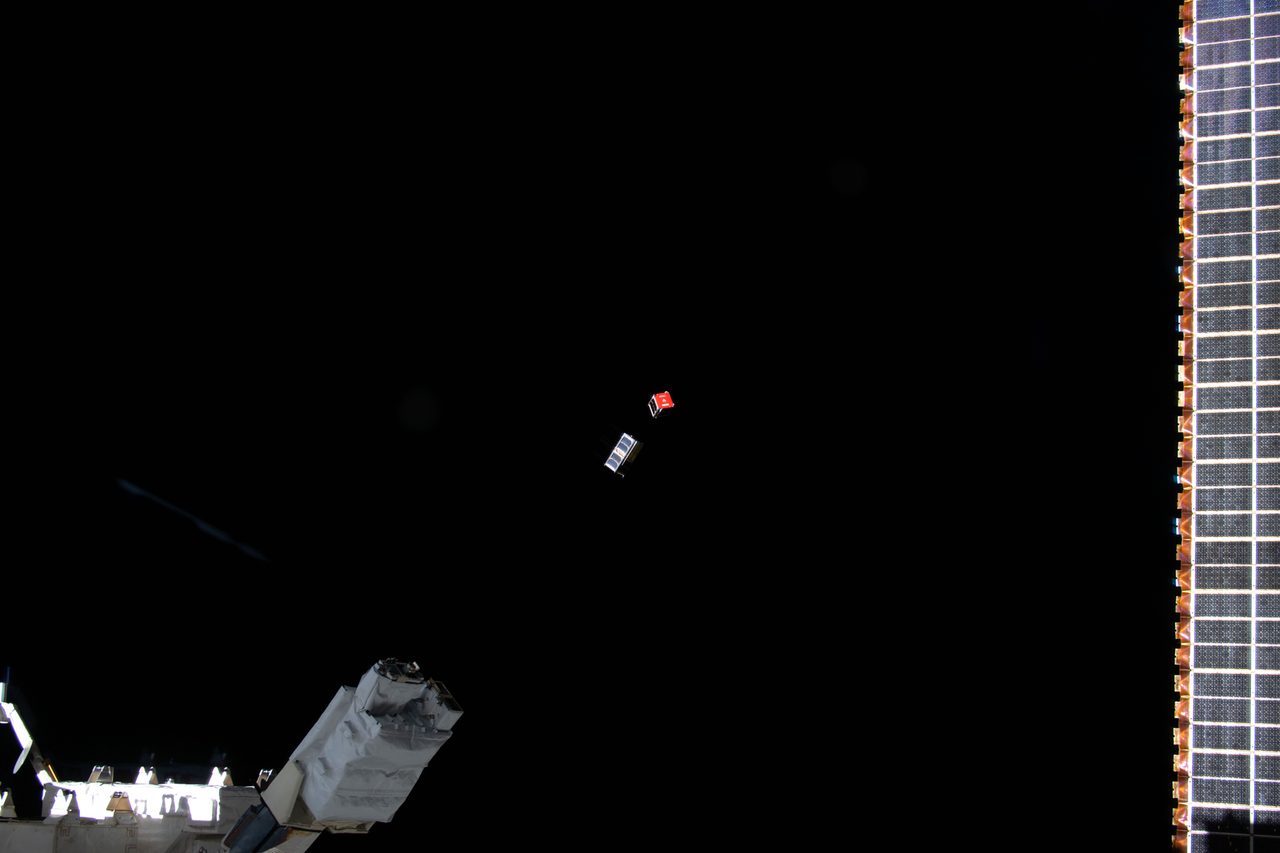
CubeSats are miniature satellites used for space research. They are cost-effective, versatile, and have revolutionised space exploration.
| Active satellites | 15,734 |
| Starlink active | 9,985 |
| Catalogued objects | 31,228 |
| Predicted re-entries | 26 |
| Active close approaches | 15 |
| People in space | 10 |
CubeSats are a type of nanosatellite that typically measure 10x10x10 cm and weigh about 1.33 kilograms. They are modular, allowing for configurations that can expand their capabilities. Originally developed for educational purposes, CubeSats have become a staple in scientific research and commercial applications.
What are CubeSats?
CubeSats are small, cube-shaped satellites that adhere to a standardised size and form factor. The standard unit, or 'U', is a 10x10x10 cm cube, and they can be combined to form larger satellites, such as 2U, 3U, or even 6U configurations. This standardisation has significantly reduced the cost and complexity of satellite development, making space more accessible to universities, startups, and small countries.
How Do CubeSats Work?

CubeSats function by incorporating miniaturised components that perform the same functions as those found in larger satellites. They include power systems, communication modules, and scientific instruments. CubeSats are often launched as secondary payloads on rockets, sharing space with larger missions. This piggybacking approach is cost-effective and allows for frequent launches.
Why Do CubeSats Matter?
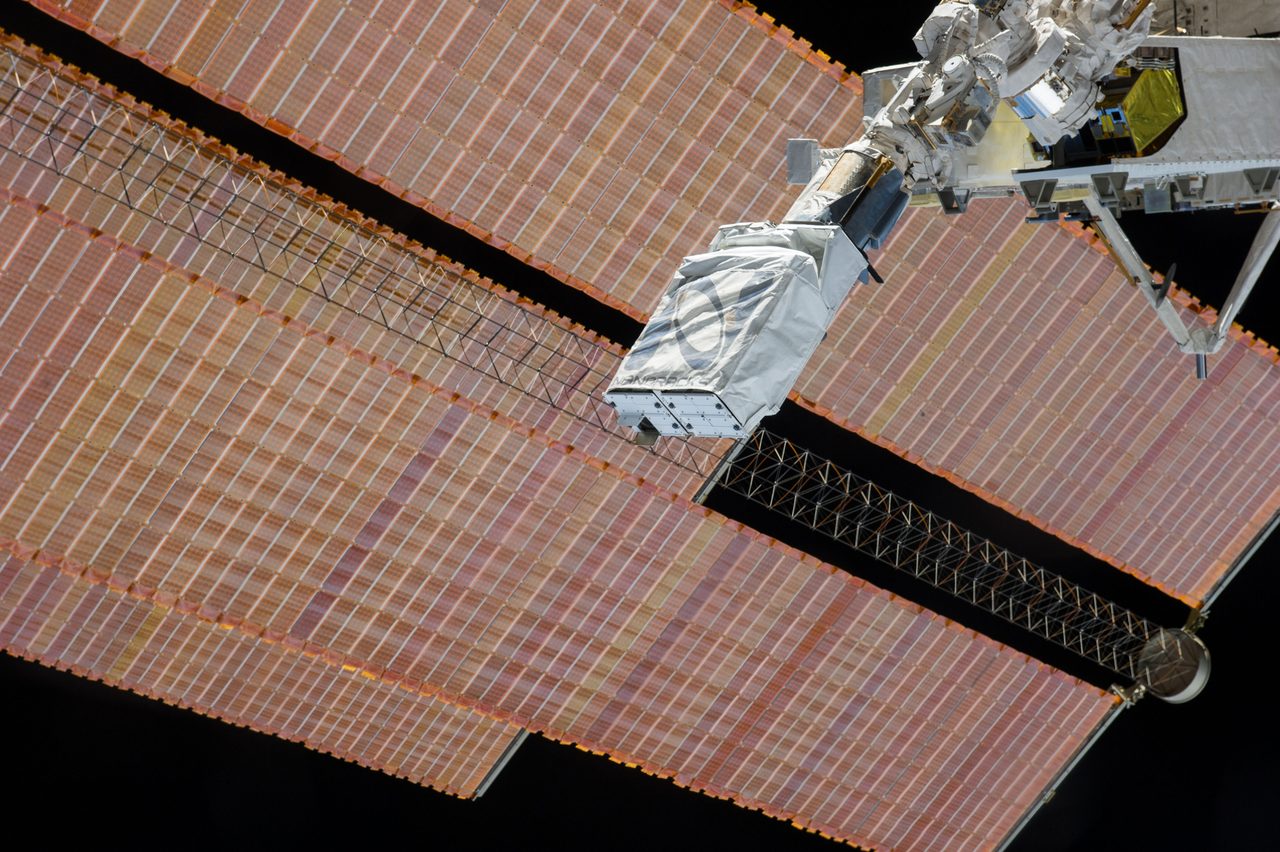
CubeSats have democratized access to space. Their low cost and ease of development allow a wide range of organisations to conduct space-based research. They are used for Earth observation, scientific experiments, and technology demonstration. As of now, there are 15,734 active satellites in orbit, a significant number of which are CubeSats, according to Orbital Radar's live catalogue.
CubeSats vs. Traditional Satellites

Traditional satellites are typically large, expensive, and take years to develop. In contrast, CubeSats are small, cost-effective, and can be developed in a matter of months. While traditional satellites offer more capabilities and longer lifespans, CubeSats provide rapid deployment and flexibility, making them ideal for short-term missions and technology testing.
Challenges Facing CubeSats
Despite their advantages, CubeSats face challenges such as limited power, communication range, and lifespan. Their small size restricts the amount of equipment and power they can carry, which can limit mission duration and data transmission capabilities. Additionally, the increasing number of CubeSats contributes to space debris, a growing concern in the orbital environment with 31,221 tracked objects.
Key Takeaways
CubeSats have transformed the landscape of space exploration by making it more accessible and affordable. Their modular design and cost-effectiveness have opened the door for a variety of missions, from scientific research to commercial applications. However, as their numbers grow, managing space debris and ensuring sustainable practices will be crucial.
Frequently Asked Questions
How much does it cost to launch a CubeSat?
What are CubeSats used for?
How long do CubeSats last in orbit?
Can CubeSats deorbit themselves?
Who can build a CubeSat?
📎 Cite this article · data available
Orbital Radar Newsroom. (2026). CubeSats: Understanding the Small Satellite Revolution. Orbital Radar. https://orbitalradar.com/blog/cubesats-explainer"CubeSats: Understanding the Small Satellite Revolution." Orbital Radar, 30 September 2026, https://orbitalradar.com/blog/cubesats-explainer.@misc{orbitalradar_cubesats_explainer,
title = {CubeSats: Understanding the Small Satellite Revolution},
author = {{Orbital Radar}},
year = {2026},
howpublished = {\url{https://orbitalradar.com/blog/cubesats-explainer}}
}