Understanding Space Situational Awareness: A Comprehensive Guide

Space situational awareness involves tracking and predicting the movement of over 28,911 objects in orbit to ensure space safety.
Space situational awareness (SSA) refers to the ability to detect, track, and predict the movement of objects in Earth's orbit. This includes active satellites, space debris, and other orbital objects, totalling 28,911 as of the latest data. SSA is crucial for preventing collisions and ensuring the safety of space operations.
How Does Space Situational Awareness Work?
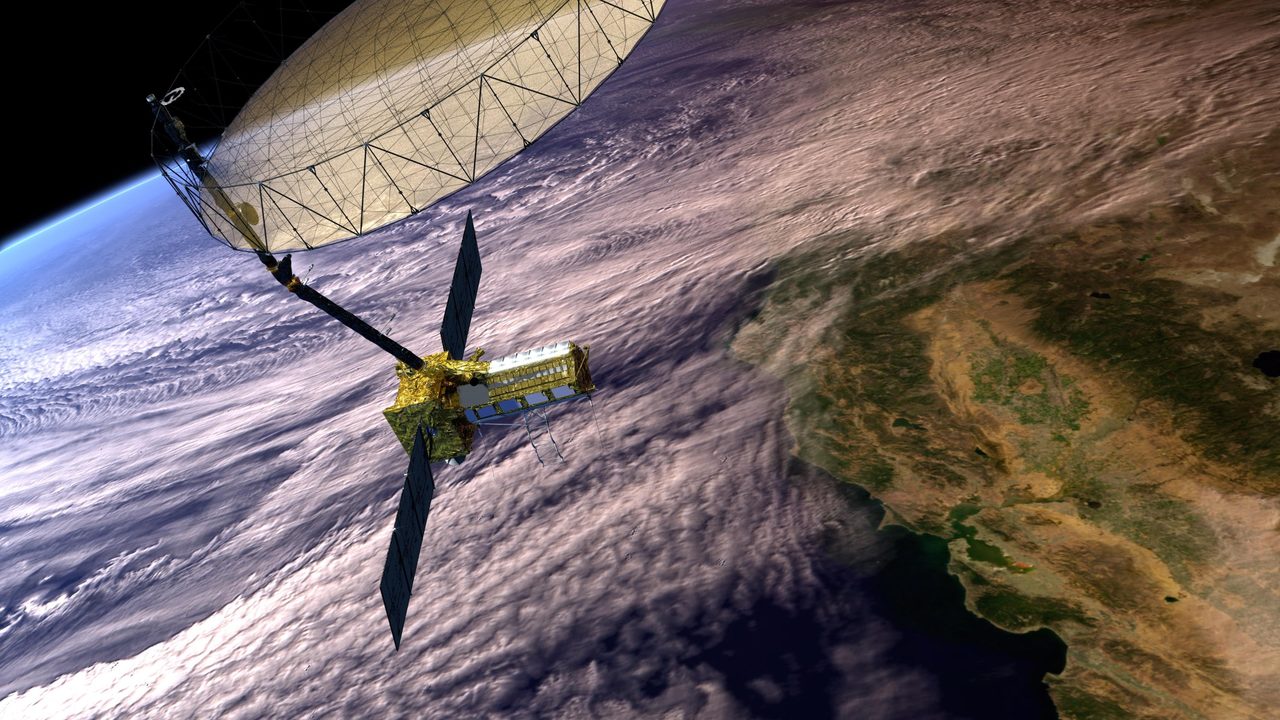
SSA relies on a network of ground-based and space-based sensors that monitor the position and trajectory of objects in space. These sensors provide data that is analysed to predict potential collisions, known as conjunctions. Systems like the United States Space Surveillance Network (SSN) and similar programmes worldwide contribute to this effort. The Orbital Radar SSA page offers detailed insights into these processes.
Why Is Space Situational Awareness Important?
With over 18,233 active satellites, including 10,747 Starlink satellites, SSA is vital for collision avoidance and maintaining operational satellites. Space debris, such as the 8,780 tracked pieces, poses significant risks to these assets. Effective SSA helps mitigate these risks by providing timely alerts and allowing for manoeuvres to avoid potential collisions.
Space Debris: A Growing Challenge

Space debris consists of defunct satellites, spent rocket stages, and fragments from disintegration events. As of now, 8,780 pieces of debris are tracked. This environment poses a threat to operational satellites and human spaceflight. The Orbital Radar debris tracking tool provides real-time data on these objects.
Tracking Conjunctions: Preventing Collisions
Conjunctions are close approaches between two orbiting objects that could lead to collisions. Currently, 15 active close approaches are being tracked. SSA systems calculate the probability of collision and alert satellite operators to take evasive actions. More information on conjunctions can be found on the Orbital Radar conjunctions page.
Key Takeaways
Space situational awareness is essential for the safe and sustainable use of Earth's orbits. By monitoring over 28,911 objects, SSA helps prevent collisions and manage the growing challenge of space debris. As space traffic increases, the importance of robust SSA systems will continue to grow.
Frequently Asked Questions
What is space situational awareness?
How many objects are tracked in space?
Why is space situational awareness important?
How does space debris affect satellites?
What are conjunctions in space?
📎 Cite this article
Orbital Radar Newsroom. (2026). Understanding Space Situational Awareness: A Comprehensive Guide. Orbital Radar. https://orbitalradar.com/blog/space-situational-awareness-guide"Understanding Space Situational Awareness: A Comprehensive Guide." Orbital Radar, 12 July 2026, https://orbitalradar.com/blog/space-situational-awareness-guide.@misc{orbitalradar_space_situational_awareness_guide,
title = {Understanding Space Situational Awareness: A Comprehensive Guide},
author = {{Orbital Radar}},
year = {2026},
howpublished = {\url{https://orbitalradar.com/blog/space-situational-awareness-guide}}
}