Understanding Orbital Epoch: A Comprehensive Guide

The orbital epoch is a timestamp indicating when orbital parameters are valid, crucial for tracking satellites and space debris.
The orbital epoch is a crucial timestamp in satellite tracking, indicating the exact moment when a satellite's orbital parameters are valid. This concept is essential for understanding Two-Line Elements (TLEs), which are data formats used to convey the orbital elements of a satellite. An epoch helps predict satellite positions and is vital for collision avoidance and mission planning.
What is an Orbital Epoch?
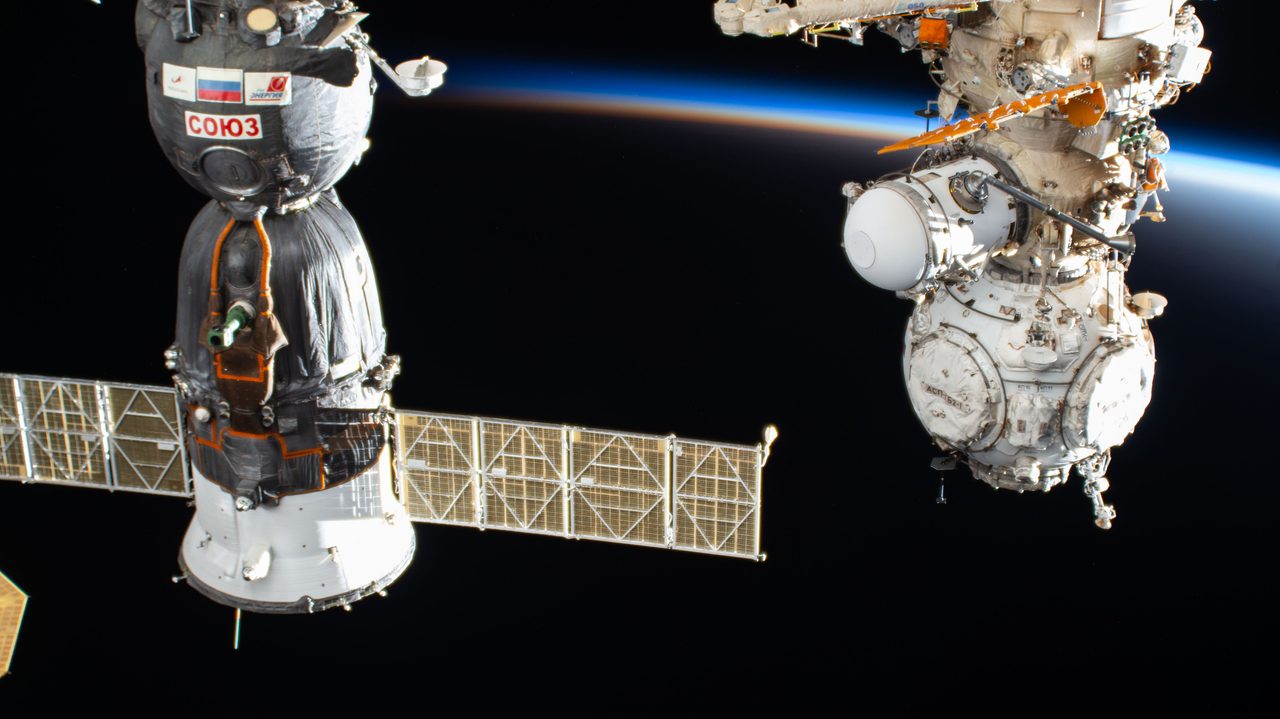
An orbital epoch is a specific date and time that marks when the orbital parameters of a satellite are accurate. This timestamp is essential because the Earth's gravitational field, atmospheric drag, and other forces constantly alter a satellite's path. The epoch allows for precise calculations of a satellite's position and velocity at any given time. For example, the NORAD ID 25544, which tracks the International Space Station, uses epochs to update its position data.
How are Epochs Used in TLEs?
Two-Line Elements (TLEs) are a standard format for encoding a satellite's orbital elements. Each TLE includes an epoch, which is critical for determining the satellite's current and future positions. TLEs are updated regularly to account for changes in a satellite's orbit caused by gravitational perturbations and atmospheric drag. The TLE glossary on Orbital Radar provides detailed explanations of each component.
Why Does the Orbital Epoch Matter?

The orbital epoch is essential for satellite operators and space agencies to maintain accurate tracking of satellites and space debris. With over 18,610 active satellites and 29,092 total catalogued objects, precise tracking is necessary to prevent collisions and manage the increasing congestion in Earth's orbit. The debris map on Orbital Radar illustrates the vast number of objects tracked.
Epoch vs. Other Orbital Parameters
While the epoch provides a timestamp, other parameters like inclination, eccentricity, and semi-major axis define the shape and orientation of an orbit. Together, these elements form a comprehensive picture of a satellite's trajectory. Understanding the interplay between these parameters is crucial for accurate satellite tracking and is covered in detail in the epoch glossary entry.
Key Takeaways
The orbital epoch is a vital component in satellite tracking, providing a reference point for calculating a satellite's position. It is integral to TLEs and essential for managing the growing number of satellites and debris in orbit. Accurate epoch data helps ensure safe and efficient space operations.
Frequently Asked Questions
What is the purpose of an orbital epoch?
How often are TLEs updated?
How does orbital epoch affect satellite tracking?
What happens if the epoch is not updated?
Can orbital epochs be used for all space objects?
📎 Cite this article
Orbital Radar Newsroom. (2026). Understanding Orbital Epoch: A Comprehensive Guide. Orbital Radar. https://orbitalradar.com/blog/orbital-epoch-explainer"Understanding Orbital Epoch: A Comprehensive Guide." Orbital Radar, 25 August 2026, https://orbitalradar.com/blog/orbital-epoch-explainer.@misc{orbitalradar_orbital_epoch_explainer,
title = {Understanding Orbital Epoch: A Comprehensive Guide},
author = {{Orbital Radar}},
year = {2026},
howpublished = {\url{https://orbitalradar.com/blog/orbital-epoch-explainer}}
}