Understanding TLE Format: A Comprehensive Guide

Two-Line Element sets (TLEs) are crucial for tracking satellites, providing data on orbit parameters and predictions.
Two-Line Element sets (TLEs) are a standard format used to convey orbital parameters of satellites. Each TLE provides data necessary for predicting satellite positions and velocities at given times. This format is critical for satellite tracking and collision avoidance.
What is a TLE?
A TLE consists of two lines of data that describe the orbital elements of a satellite. These elements include the satellite's inclination, eccentricity, and mean motion, among others. The format is maintained by NORAD (North American Aerospace Defense Command) and is widely used in the aerospace industry. For more details, see our glossary entry on TLE.
How Does the TLE Format Work?
Each TLE line contains specific fields that represent different orbital parameters. The first line includes the satellite's catalog number, classification, and epoch time. The second line provides the inclination, right ascension of the ascending node, eccentricity, argument of perigee, mean anomaly, and mean motion. This data allows for precise calculations of a satellite's trajectory.
Why is TLE Important for Satellite Tracking?
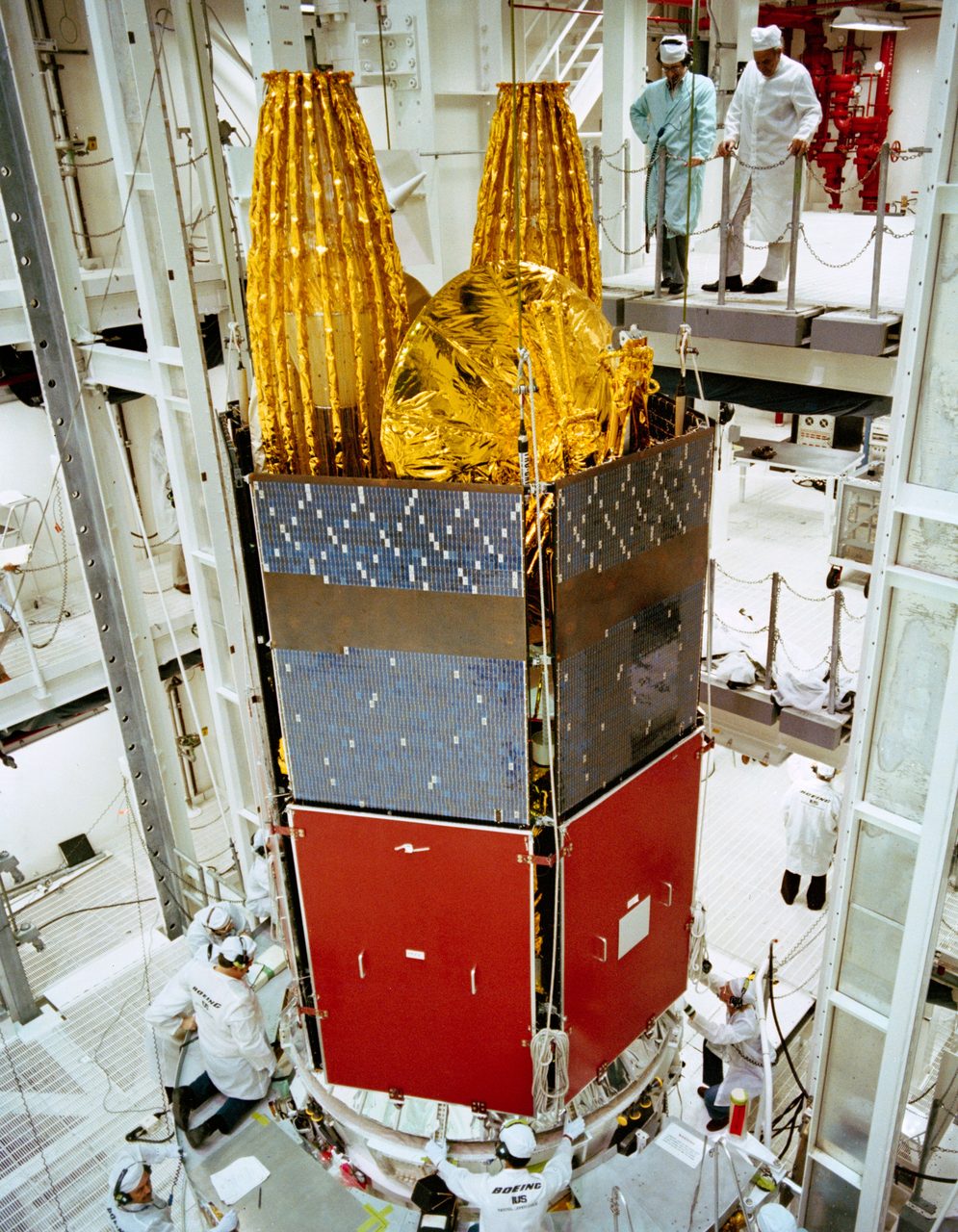
TLEs are essential for predicting satellite positions and planning observations. They enable ground stations and astronomers to track satellites and predict their future positions. This capability is crucial for avoiding collisions and managing the growing number of active satellites, currently totalling 18,539, according to our tracking data.
TLE Format vs Other Tracking Methods

While TLEs are widely used, other methods like GPS-based tracking and radar observations offer different advantages. TLEs are publicly available and provide a standardised format, whereas GPS and radar can offer more precise real-time data. Each method has its place depending on the requirements of the mission.
How to Read a TLE
Reading a TLE requires understanding its specific fields. For example, the first line's 'epoch year and day' indicates when the data was generated. The second line's 'mean motion' describes how many orbits the satellite completes per day. Learning to interpret these fields is crucial for anyone involved in satellite operations.
Key Takeaways
TLEs are a fundamental tool in satellite tracking, providing essential data for predicting satellite orbits. Understanding the format and its components is crucial for anyone working in aerospace or astronomy. As the number of satellites increases, TLEs will continue to play a vital role in space operations.
Frequently Asked Questions
What does TLE stand for in satellite tracking?
How often are TLEs updated?
Can TLEs be used for all satellites?
How accurate are TLE predictions?
Where can I find TLE data?
📎 Cite this article
Orbital Radar Newsroom. (2026). Understanding TLE Format: A Comprehensive Guide. Orbital Radar. https://orbitalradar.com/blog/tle-format-explainer"Understanding TLE Format: A Comprehensive Guide." Orbital Radar, 14 August 2026, https://orbitalradar.com/blog/tle-format-explainer.@misc{orbitalradar_tle_format_explainer,
title = {Understanding TLE Format: A Comprehensive Guide},
author = {{Orbital Radar}},
year = {2026},
howpublished = {\url{https://orbitalradar.com/blog/tle-format-explainer}}
}