Peering Through the Sagittarius Star Cloud: A Cosmic Window
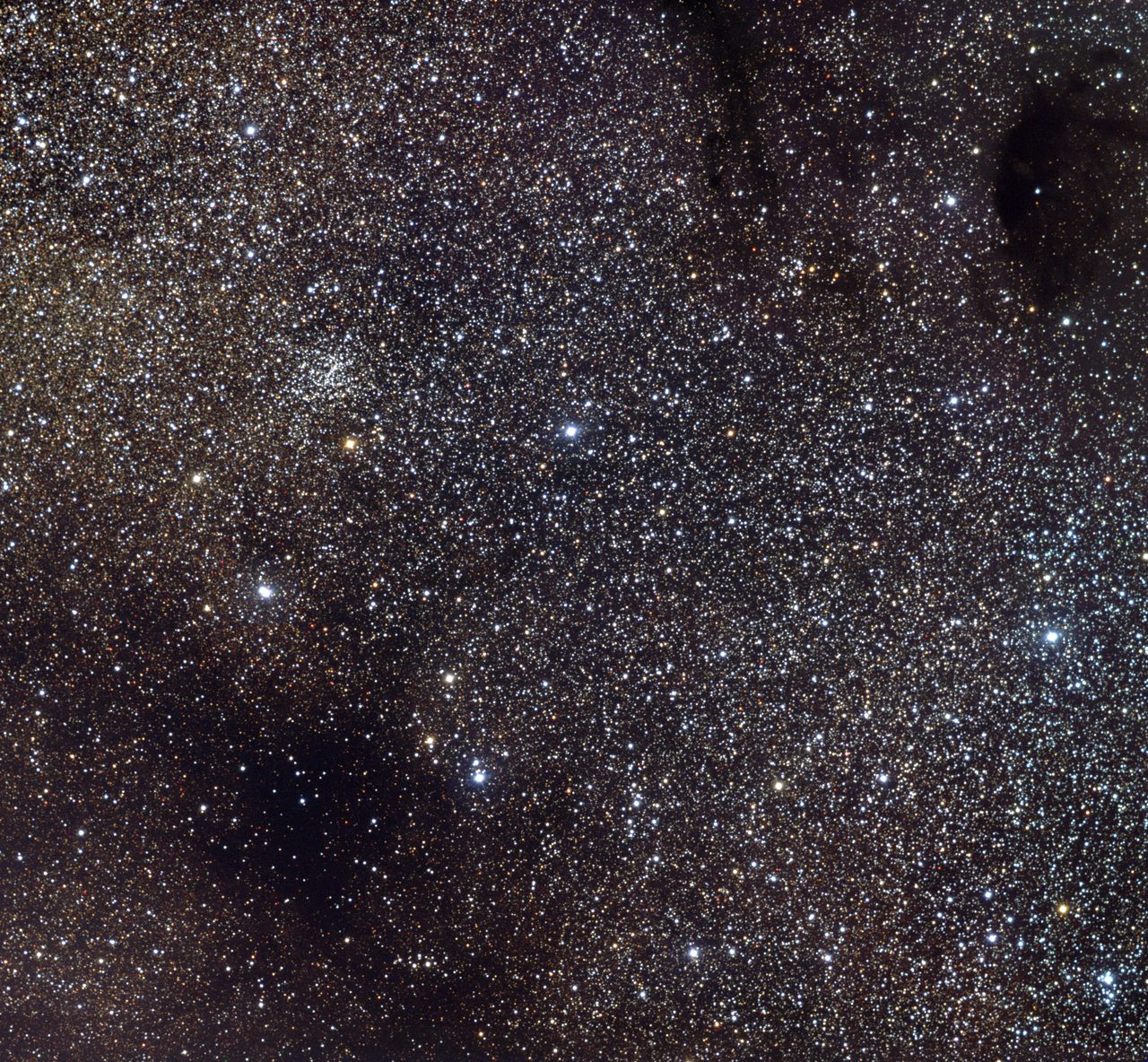
Messier 24 offers a rare glimpse into the Sagittarius arm of the Milky Way, through a gap in interstellar dust.
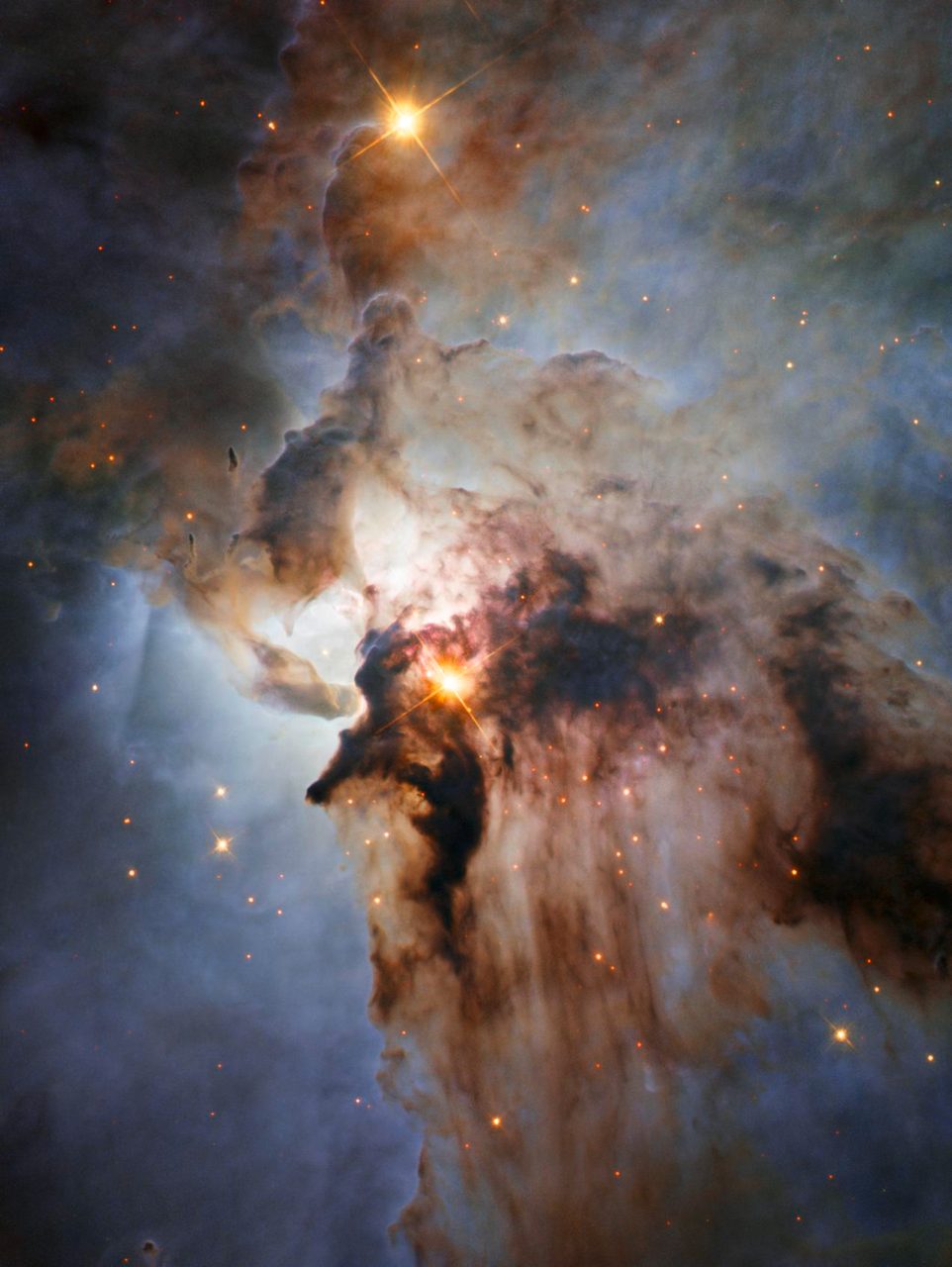
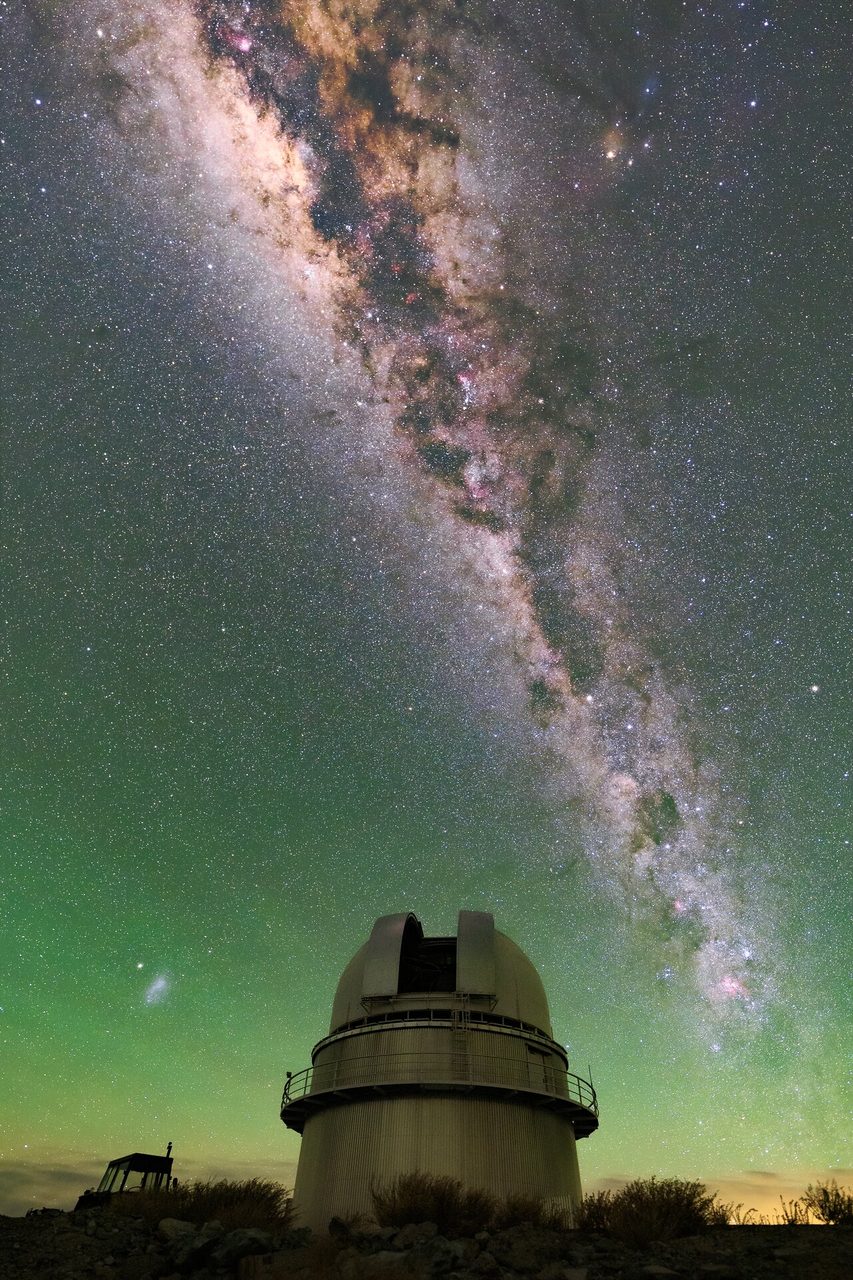
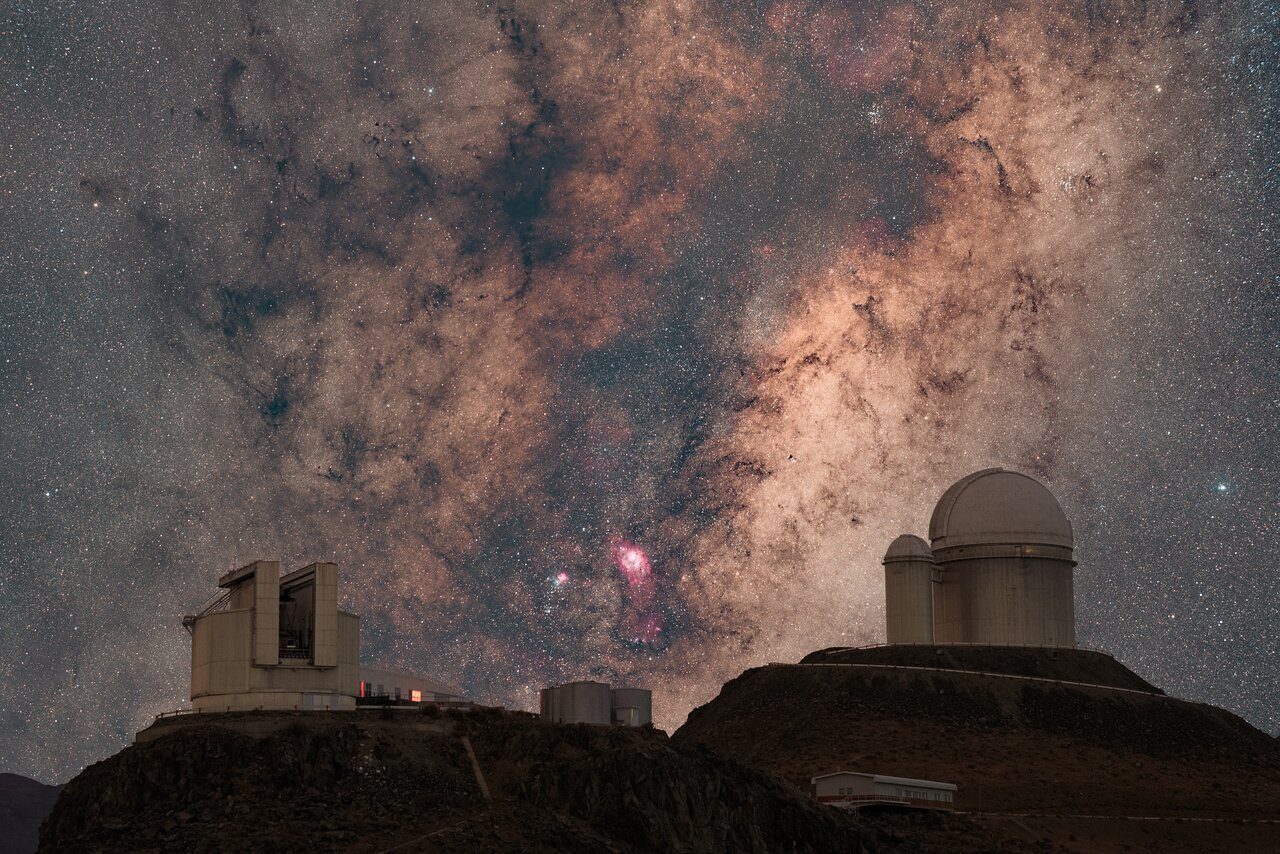
Messier 24, known as the Sagittarius Star Cloud, provides a unique opportunity to gaze into the depths of our Milky Way galaxy. Unlike typical entries in Charles Messier's catalogue, M24 is not a singular celestial object but a vast star field seen through a gap in interstellar dust. This opening allows us to peer into the Sagittarius spiral arm, revealing stars located over 10,000 light-years away. The view spans more than four full moons in the sky, offering a stunning tableau of luminous stars and dark dust clouds, such as B92 and B93.
A Window into Galactic Dynamics
The Sagittarius Star Cloud is not only a visual spectacle but also a scientific treasure trove. It offers insights into the structure and composition of our galaxy. Observing these distant stars helps astronomers understand the distribution of matter within the Milky Way and the role of interstellar dust in shaping our view of the cosmos. This region's study is complemented by ongoing space missions and satellite observations that track the movement and interaction of celestial bodies. Currently, there are 18,233 active satellites in orbit, contributing to our understanding of space dynamics.
Observing Tips and Tools
For those interested in observing Messier 24, a pair of binoculars or a small telescope will suffice to appreciate its beauty. Stargazers should direct their gaze towards the constellation Sagittarius. The Orbital Radar Pass Predictor can assist in planning optimal viewing times by predicting satellite passes that might affect visibility in your area.
Frequently Asked Questions
What is Messier 24?
How can I observe Messier 24?
Cite this article
Pick a style, then copy it or download it for your reference manager.Orbital Radar. (2026, July 12). Peering Through the Sagittarius Star Cloud: A Cosmic Window. Retrieved November 25, 2026, from https://orbitalradar.com/blog/cosmic-gallery-2026-07-11
“Peering Through the Sagittarius Star Cloud: A Cosmic Window.” Orbital Radar, 12 July 2026, orbitalradar.com/blog/cosmic-gallery-2026-07-11. Accessed 25 Nov. 2026.
Orbital Radar (2026) Peering Through the Sagittarius Star Cloud: A Cosmic Window. Available at: https://orbitalradar.com/blog/cosmic-gallery-2026-07-11 (Accessed: 25 November 2026).
Orbital Radar. “Peering Through the Sagittarius Star Cloud: A Cosmic Window.” Last modified July 12, 2026. https://orbitalradar.com/blog/cosmic-gallery-2026-07-11.
@misc{orbitalradar_blog_cosmic_gallery_2026_07_11,
  author       = {{Orbital Radar}},
  title        = {Peering Through the Sagittarius Star Cloud: A Cosmic Window},
  year         = {2026},
  month        = jul,
  howpublished = {\url{https://orbitalradar.com/blog/cosmic-gallery-2026-07-11}},
  url          = {https://orbitalradar.com/blog/cosmic-gallery-2026-07-11},
  urldate      = {2026-11-25},
  note         = {Accessed 2026-11-25}
}
TY - ELEC AU - Orbital Radar, TI - Peering Through the Sagittarius Star Cloud: A Cosmic Window PY - 2026 DA - 2026/07/12 PB - Orbital Radar UR - https://orbitalradar.com/blog/cosmic-gallery-2026-07-11 Y2 - 2026/11/25 LA - en ER -
Live figures change, so keep the date you accessed the page. How to cite Orbital Radar