The Cosmos-Iridium Collision: A Landmark Satellite Crash
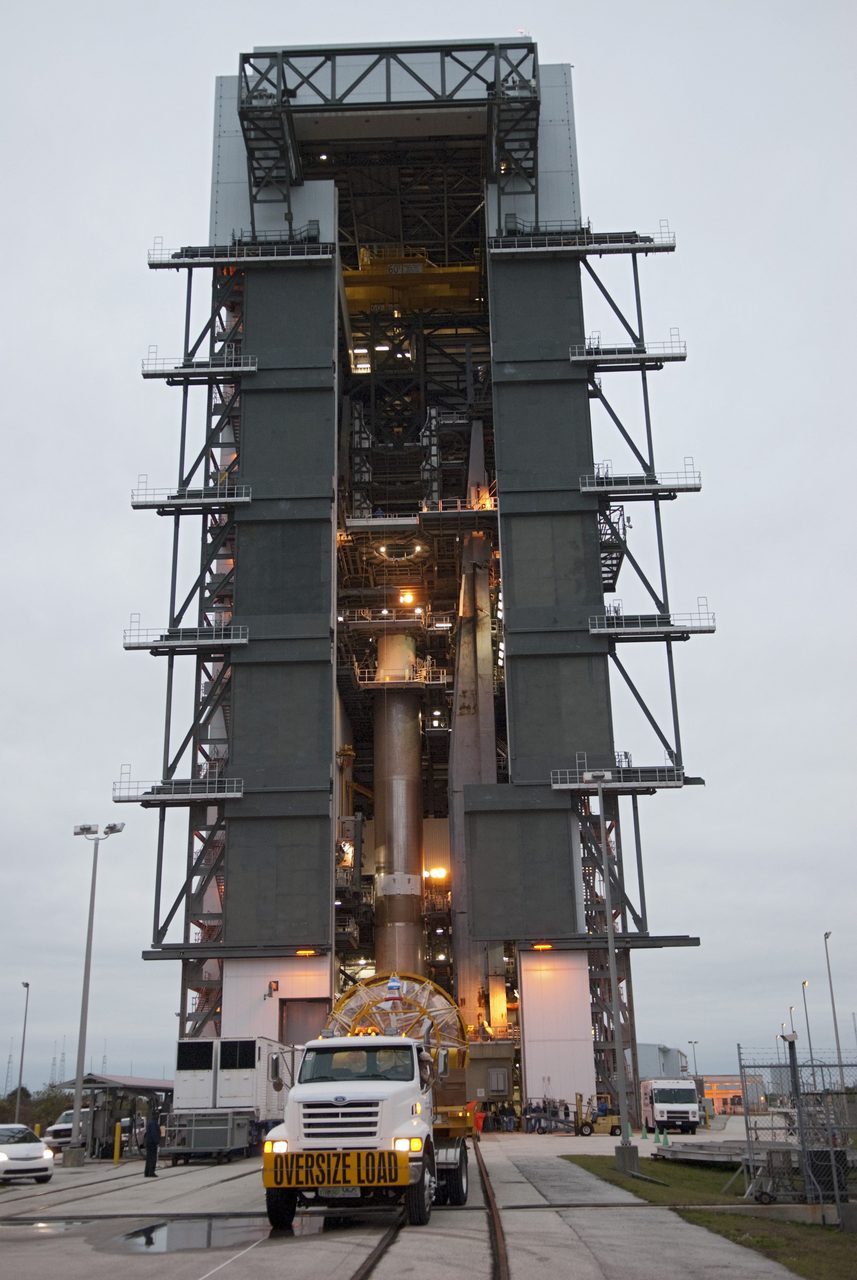
The Cosmos-Iridium collision in 2009 marked the first major satellite crash, significantly impacting space debris management and satellite operations.
The Cosmos-Iridium collision occurred on 10 February 2009, marking the first major accidental collision between two satellites in orbit. Cosmos 2251, a defunct Russian satellite, collided with Iridium 33, an active communications satellite, at an altitude of 789 kilometres over Siberia. This event significantly increased the amount of space debris, raising concerns about the safety and sustainability of satellite operations.
What Led to the Cosmos-Iridium Collision?
Cosmos 2251, launched in 1993, was a Russian Strela communications satellite, while Iridium 33 was part of the Iridium satellite constellation providing global voice and data coverage. The collision was not predicted due to limitations in tracking capabilities at the time. The incident highlighted the need for improved conjunction (close approach) analysis and better coordination among satellite operators. For more on conjunctions, see our detailed guide.
Impact on Space Debris

The collision added approximately 2,300 pieces of trackable debris to the space environment, exacerbating the existing debris problem. This debris poses a risk to other satellites and the International Space Station (ISS). The event underscored the importance of monitoring space debris, which can be explored further on our space debris statistics page. As of now, there are 28,844 tracked objects in orbit, including debris.
How Has Satellite Collision Risk Management Evolved?
In response to the Cosmos-Iridium collision, space agencies and satellite operators have enhanced their tracking and collision avoidance strategies. This includes better data sharing and improved predictive models to anticipate potential collisions. The development of new technologies and international cooperation has become crucial in managing the growing number of active satellites, now totalling 18,227.
Cosmos 2251 vs Iridium 33: A Technical Comparison
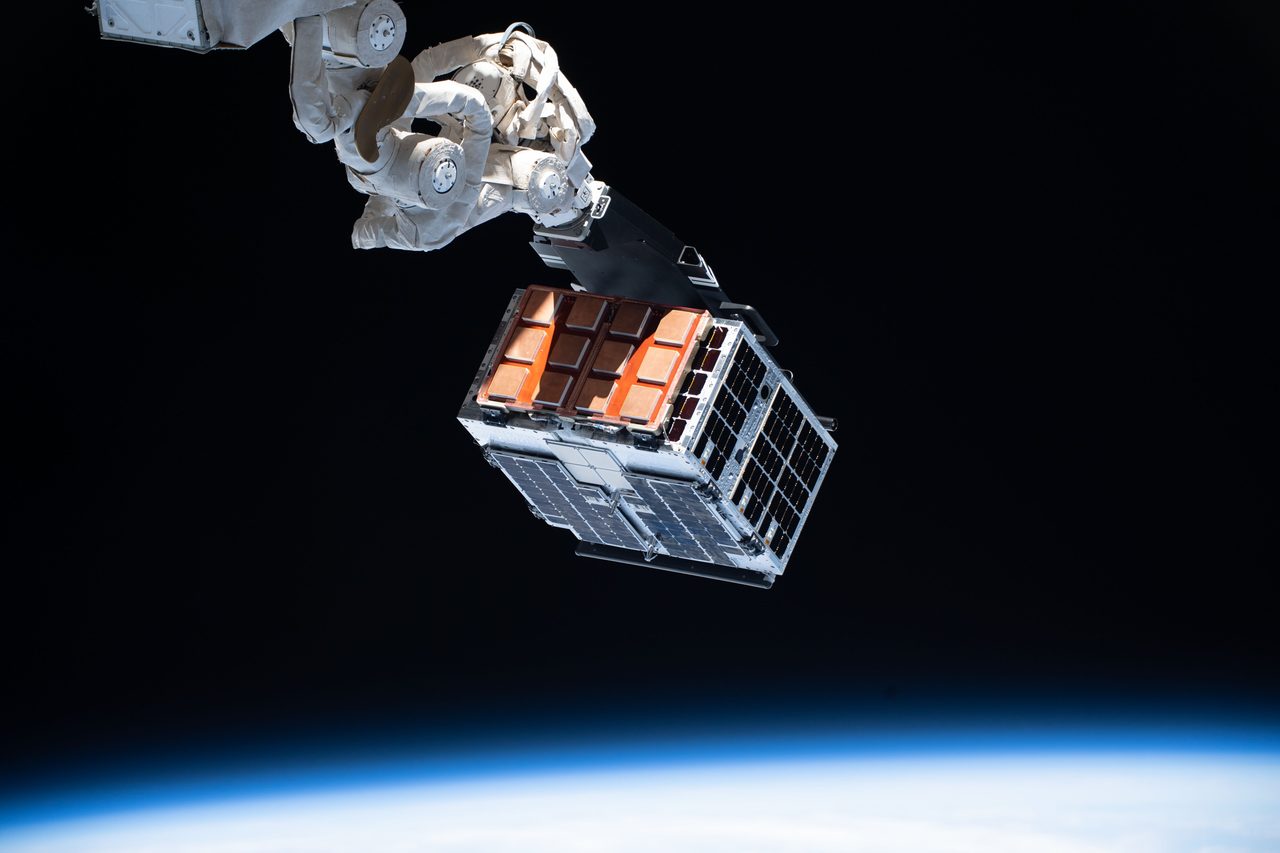
Cosmos 2251 was a 900 kg satellite with a low Earth orbit (LEO) operational lifetime that ended in 1995. In contrast, Iridium 33 weighed 560 kg and was part of a network providing real-time voice and data coverage. The collision occurred at a relative velocity of 11.7 km/s, a speed that dramatically increased the energy and impact of the crash.
Lessons Learned and Future Outlook
The Cosmos-Iridium collision served as a wake-up call for the space community, emphasizing the need for better space traffic management and debris mitigation strategies. As satellite launches continue to increase, with 10,748 Starlink satellites launched to date, the importance of sustainable practices cannot be overstated. Future efforts must focus on enhancing global cooperation and developing technologies for debris removal.
Key Takeaways
The Cosmos-Iridium collision was a pivotal event in space history, highlighting the dangers of space debris and the need for improved satellite tracking. It led to significant advancements in collision avoidance techniques and increased awareness of the challenges posed by the growing number of satellites. Understanding these dynamics is crucial for ensuring the long-term sustainability of space activities.
Frequently Asked Questions
What was the Cosmos-Iridium collision?
How many debris pieces were created by the Cosmos-Iridium collision?
Why is the Cosmos-Iridium collision significant?
How are satellite collisions prevented today?
What is the current state of space debris?
📎 Cite this article
Orbital Radar Newsroom. (2026). The Cosmos-Iridium Collision: A Landmark Satellite Crash. Orbital Radar. https://orbitalradar.com/blog/cosmos-iridium-collision-explained"The Cosmos-Iridium Collision: A Landmark Satellite Crash." Orbital Radar, 13 July 2026, https://orbitalradar.com/blog/cosmos-iridium-collision-explained.@misc{orbitalradar_cosmos_iridium_collision_explained,
title = {The Cosmos-Iridium Collision: A Landmark Satellite Crash},
author = {{Orbital Radar}},
year = {2026},
howpublished = {\url{https://orbitalradar.com/blog/cosmos-iridium-collision-explained}}
}