Understanding Kessler Syndrome: Space Debris Chain Reaction

Kessler Syndrome describes a scenario where space debris collisions create a self-sustaining cascade, threatening orbital operations.
Kessler Syndrome refers to a theoretical scenario where the density of objects in low Earth orbit (LEO) is high enough that collisions between objects could cause a cascade, leading to further collisions. This concept, proposed by NASA scientist Donald J. Kessler in 1978, suggests that such a chain reaction could exponentially increase the amount of space debris, rendering certain orbits unusable.
How Kessler Syndrome Works
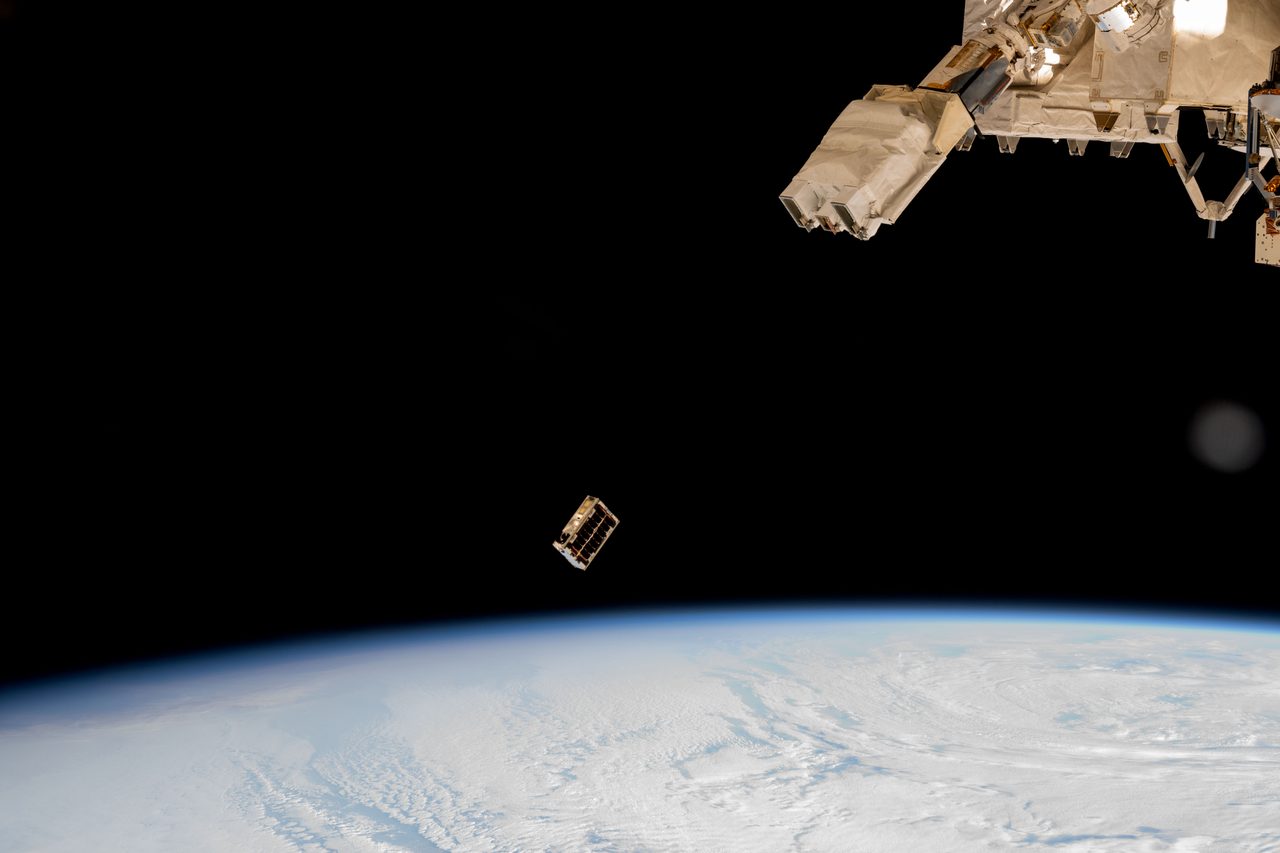
The mechanics of Kessler Syndrome involve a critical density of debris in orbit. When two objects collide, they create thousands of smaller fragments. These fragments, travelling at high speeds, can collide with other objects, creating even more debris. This self-sustaining process could eventually lead to a situation where space activities become hazardous or impossible. The Orbital Radar Space Academy provides detailed insights into debris formation and management.
Why Kessler Syndrome Matters
With over 28,406 tracked objects in orbit, including 8,601 pieces of debris, the risk of Kessler Syndrome is a growing concern. The potential loss of satellite services, such as communications and Earth observation, would have profound impacts on global infrastructure. The space debris statistics page offers a comprehensive view of current orbital debris data.
Current Measures to Mitigate Space Debris
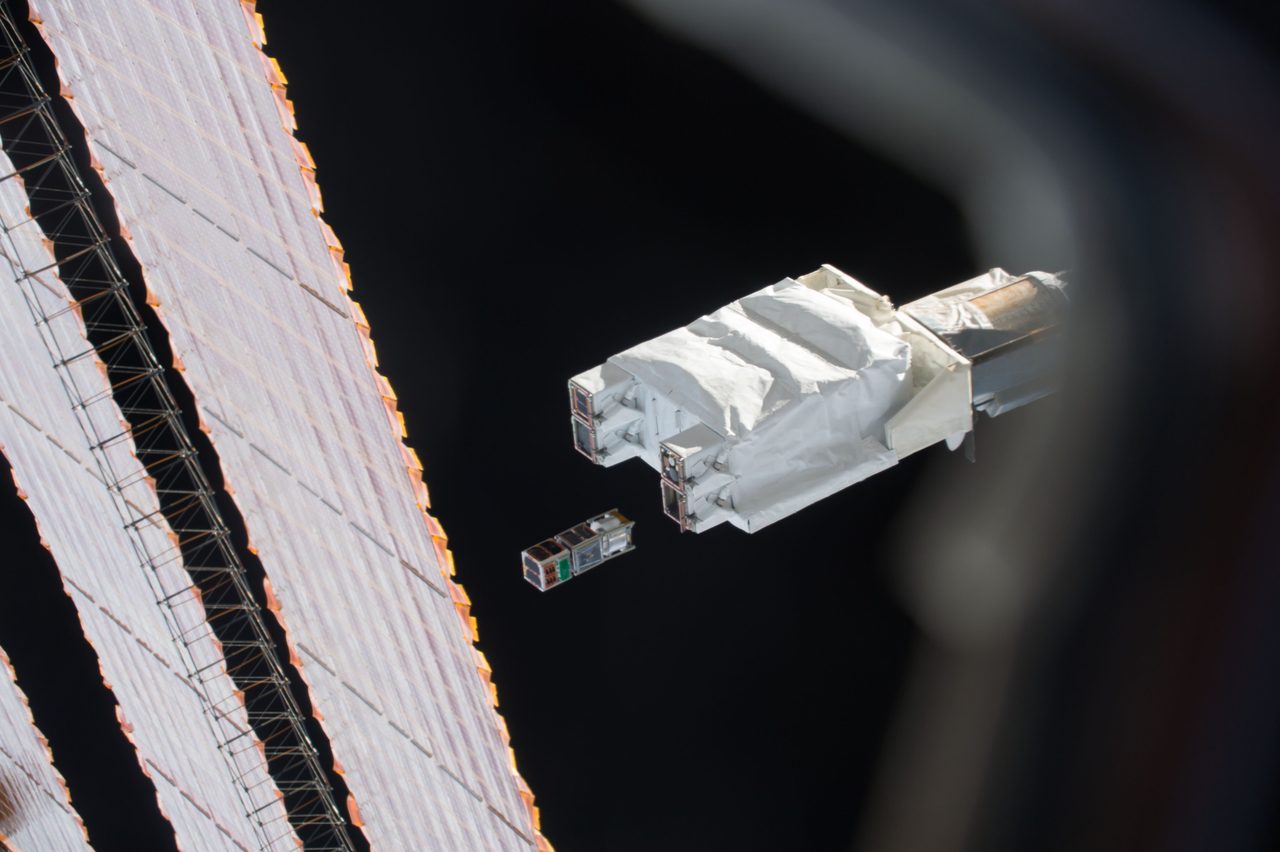
Efforts to mitigate space debris include designing satellites to deorbit at the end of their life, using materials that burn up upon re-entry, and actively removing debris. International guidelines, such as those from the Inter-Agency Space Debris Coordination Committee (IADC), aim to minimise debris creation. The Kessler Syndrome page discusses ongoing strategies and technologies being developed to address this issue.
Kessler Syndrome vs. Other Orbital Hazards
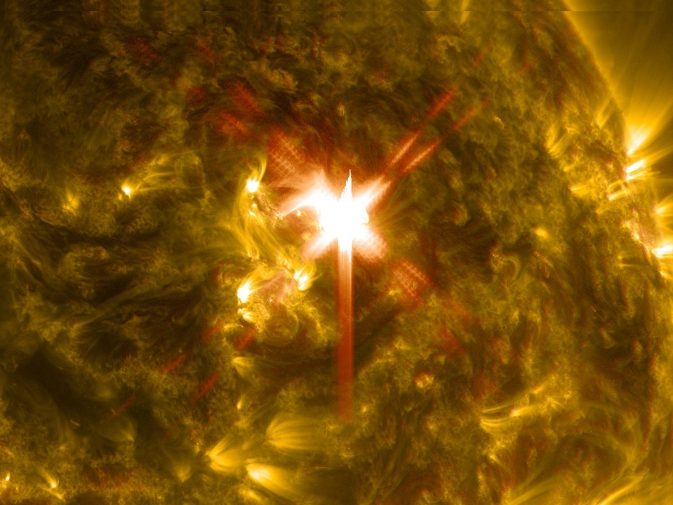
While Kessler Syndrome specifically refers to a self-sustaining debris cascade, other orbital hazards include natural meteoroid impacts and space weather effects like solar flares. Each poses unique challenges to satellite operations and requires different mitigation strategies. Understanding these differences is crucial for effective space management.
Key Takeaways
Kessler Syndrome represents a significant risk to the sustainability of space activities. With 17,935 active satellites in orbit, including 10,510 Starlink satellites, the potential for collisions is non-negligible. Proactive measures, international cooperation, and technological innovation are essential to prevent a cascade scenario. For more information, visit the Orbital Radar Space Academy.
Frequently Asked Questions
What is Kessler Syndrome?
How many objects are in orbit?
How does space debris affect satellites?
What measures are in place to prevent Kessler Syndrome?
Why is Kessler Syndrome a concern now?
📎 Cite this article
Orbital Radar Newsroom. (2026). Understanding Kessler Syndrome: Space Debris Chain Reaction. Orbital Radar. https://orbitalradar.com/blog/kessler-syndrome-explained"Understanding Kessler Syndrome: Space Debris Chain Reaction." Orbital Radar, 18 June 2026, https://orbitalradar.com/blog/kessler-syndrome-explained.@misc{orbitalradar_kessler_syndrome_explained,
title = {Understanding Kessler Syndrome: Space Debris Chain Reaction},
author = {{Orbital Radar}},
year = {2026},
howpublished = {\url{https://orbitalradar.com/blog/kessler-syndrome-explained}}
}