Hohmann Transfer Orbits: The Most Efficient Path in Space
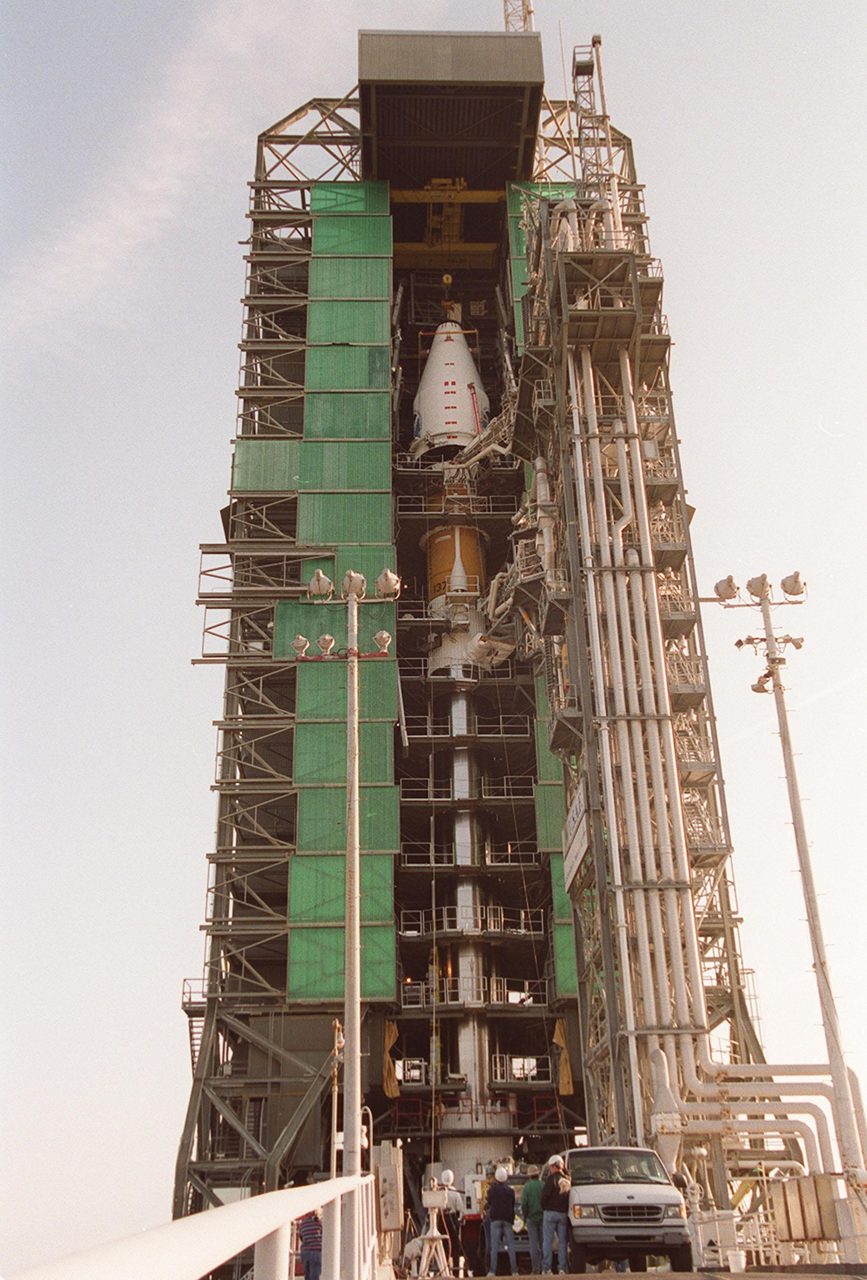
A Hohmann transfer orbit is the most fuel-efficient path for moving a spacecraft between two orbits, using two engine burns.
A Hohmann transfer orbit is a method used in spaceflight to move a spacecraft between two orbits using the least amount of propellant. This manoeuvre involves two engine burns: the first to move the spacecraft onto a transfer orbit, and the second to circularise the orbit at the destination. Named after German engineer Walter Hohmann, this technique is fundamental in orbital mechanics.
How Does a Hohmann Transfer Orbit Work?
The Hohmann transfer orbit is an elliptical orbit that touches both the initial and target circular orbits. The first burn increases the spacecraft's speed, moving it from the initial orbit to the transfer orbit. Once the spacecraft reaches the transfer orbit's apogee, a second burn adjusts its velocity to match the target orbit. This method is optimal for transfers between orbits of different altitudes, such as moving a satellite from a low Earth orbit (LEO) to a geostationary orbit (GEO).
Why Does the Hohmann Transfer Matter?
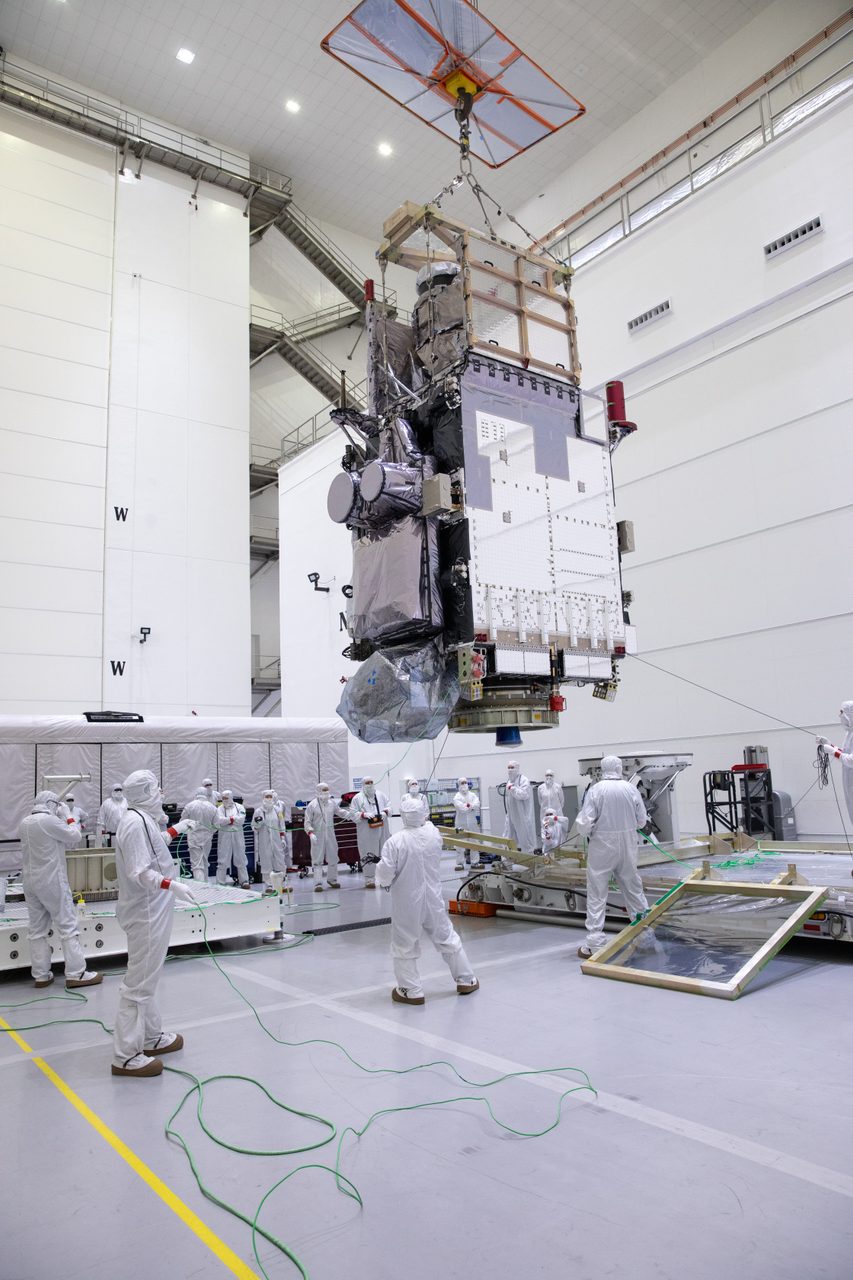
Hohmann transfers are crucial for efficient space travel, minimising fuel consumption and thus reducing mission costs. This efficiency is particularly important for missions involving large distances or heavy payloads. For example, the transfer is often used to place communication satellites into geostationary orbits, where they provide stable coverage over specific areas. The Orbital Radar Academy provides further insights into such manoeuvres.
Hohmann Transfer vs. Other Orbital Maneuvers
While the Hohmann transfer is the most fuel-efficient, it is not always the fastest. Other methods, like the bi-elliptic transfer, can be more efficient for certain high-altitude changes but require more time. The choice of manoeuvre depends on mission priorities, such as time constraints versus fuel availability. The Satellite Maneuver Tracker can help monitor these operations.
Real-World Applications of Hohmann Transfers
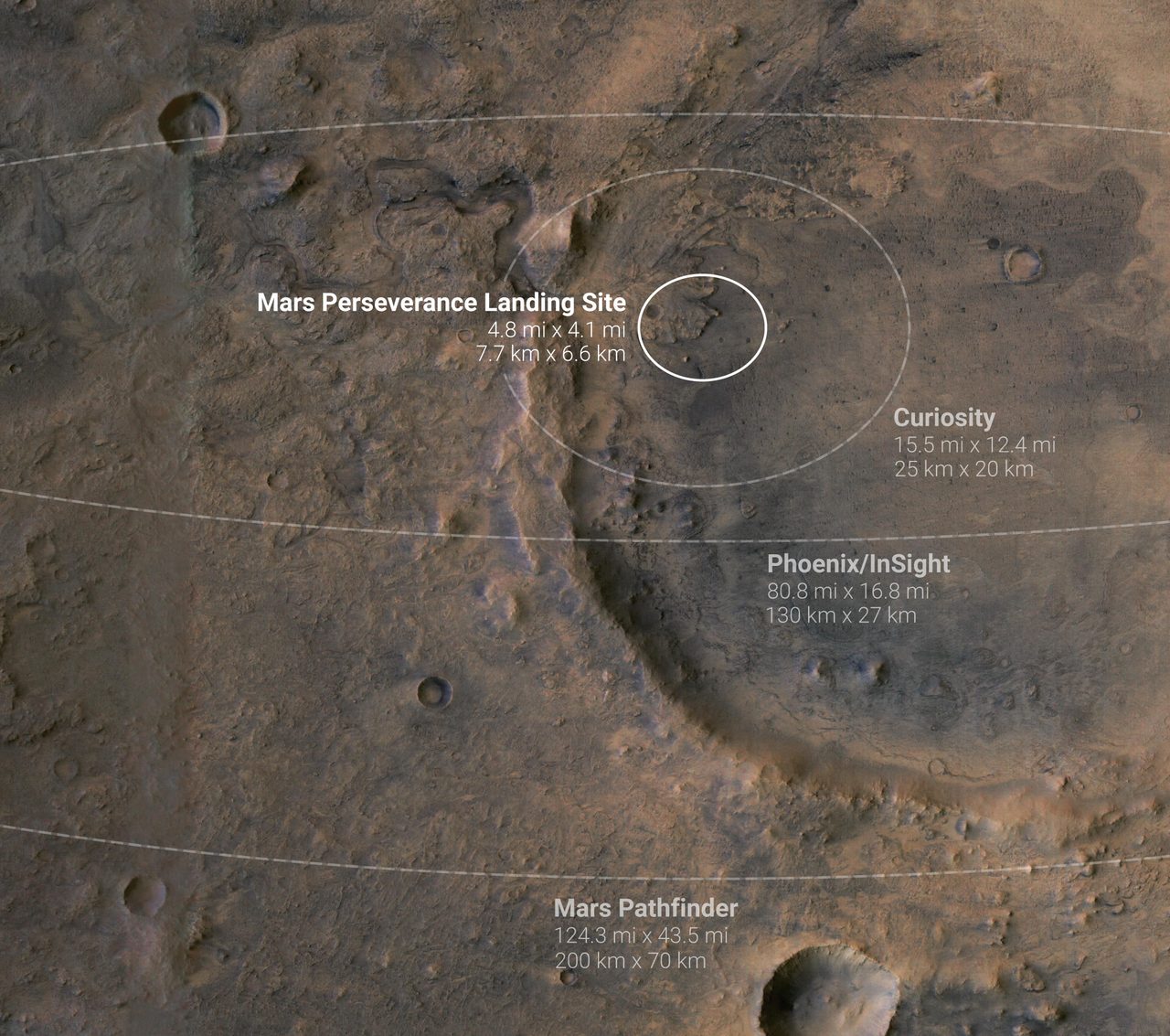
Hohmann transfers are widely used in satellite deployment and interplanetary missions. For instance, many Mars missions have utilised this method for the initial phase of their journey. The transfer's efficiency is vital for missions with limited fuel, such as those involving small spacecraft or CubeSats. The Types of Orbits page on Orbital Radar provides more context on where these transfers are applicable.
Key Takeaways
The Hohmann transfer orbit remains a cornerstone of efficient space travel, balancing fuel economy with mission requirements. It is most effective for transfers between circular orbits of different radii, particularly within the Earth's gravitational sphere. Understanding its principles is essential for anyone involved in satellite operations or space mission planning.
Frequently Asked Questions
What is a Hohmann transfer orbit?
How long does a Hohmann transfer take?
Why is the Hohmann transfer orbit efficient?
Can Hohmann transfers be used for interplanetary travel?
What are the limitations of a Hohmann transfer orbit?
📎 Cite this article
Orbital Radar Newsroom. (2026). Hohmann Transfer Orbits: The Most Efficient Path in Space. Orbital Radar. https://orbitalradar.com/blog/hohmann-transfer-explained"Hohmann Transfer Orbits: The Most Efficient Path in Space." Orbital Radar, 29 June 2026, https://orbitalradar.com/blog/hohmann-transfer-explained.@misc{orbitalradar_hohmann_transfer_explained,
title = {Hohmann Transfer Orbits: The Most Efficient Path in Space},
author = {{Orbital Radar}},
year = {2026},
howpublished = {\url{https://orbitalradar.com/blog/hohmann-transfer-explained}}
}