Rocket Lab Acquires Iridium, Expanding Satellite Comms Reach

Rocket Lab's $8 billion acquisition of Iridium signals a strategic expansion in satellite communications. Starlink satellites adjust orbits, and New Horizons observes solar wind changes.
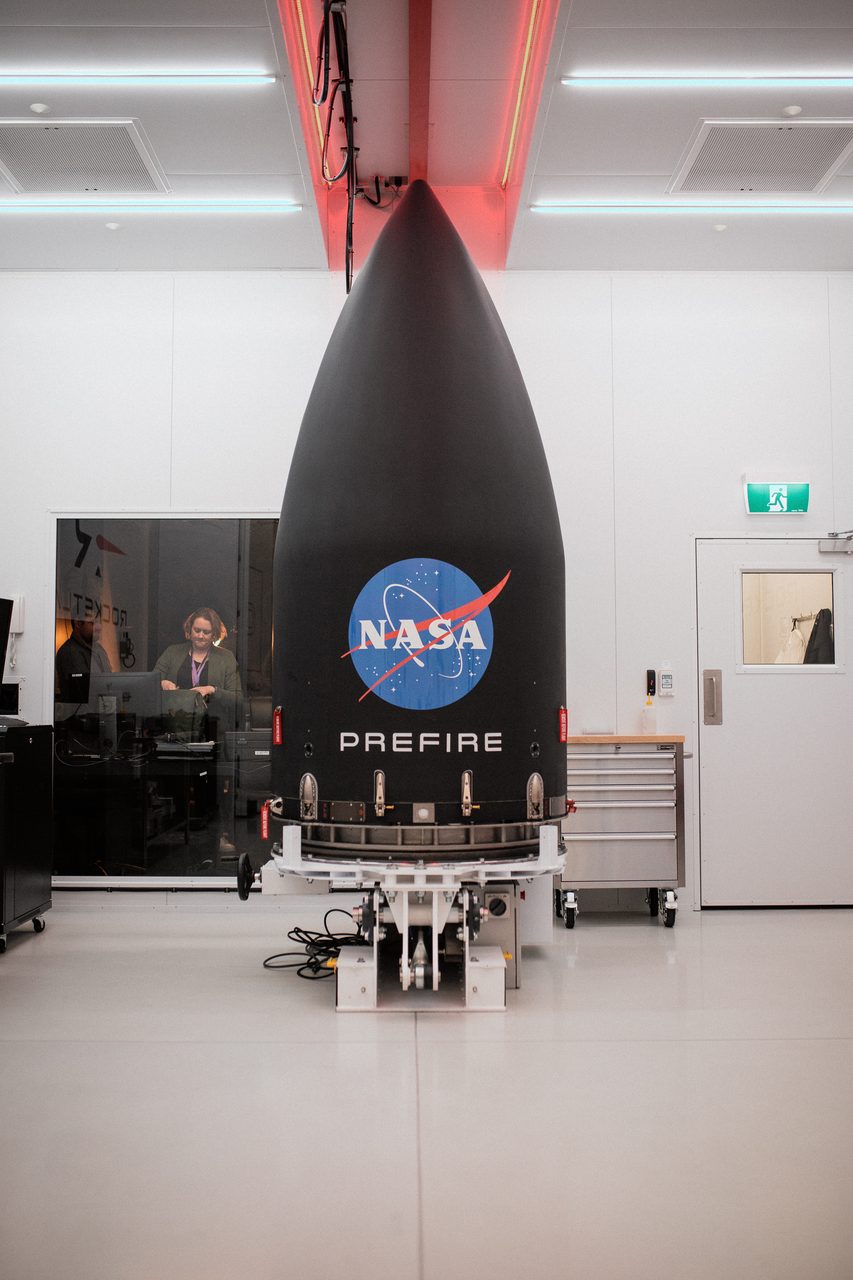
Rocket Lab has announced its acquisition of satellite-communications company Iridium for $8 billion, a move that could significantly alter the landscape of satellite communications. This acquisition positions Rocket Lab to expand its reach and capabilities in the satellite market, potentially enhancing the integration of space-based communications with terrestrial networks. The merger is seen as a strategic step to leverage Iridium's established infrastructure and Rocket Lab's launch capabilities.
Starlink Satellites Adjust Orbits
Several Starlink satellites have recently undergone orbital adjustments. Notably, STARLINK-5683, STARLINK-5555, and others have experienced changes in their argument of perigee, with shifts ranging from approximately 8.38° to 11.64°. These manoeuvres are likely part of routine operations to maintain optimal orbital positions and avoid potential collisions. The Starlink Tracker on Orbital Radar provides real-time updates on these satellites' positions and movements.
New Horizons Tracks Solar Wind Changes
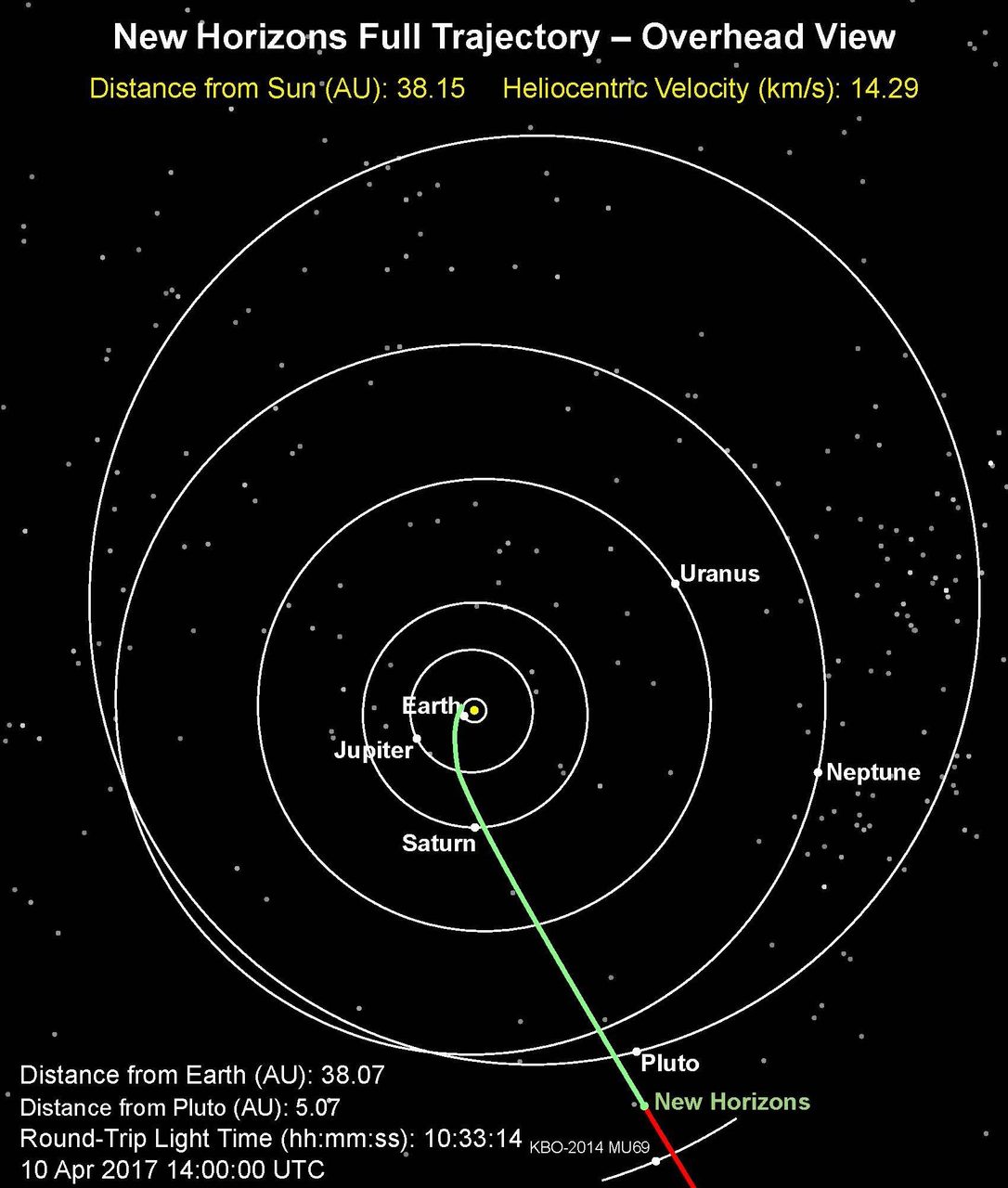
NASA's New Horizons spacecraft has made new observations regarding the solar wind, noting a slowdown as interstellar atoms exert drag. This finding adds to our understanding of the heliosphere's boundary and the interaction between solar and interstellar particles. New Horizons continues to provide valuable data from its vantage point in the outer solar system, contributing to our knowledge of space weather and its impacts.
What to Watch
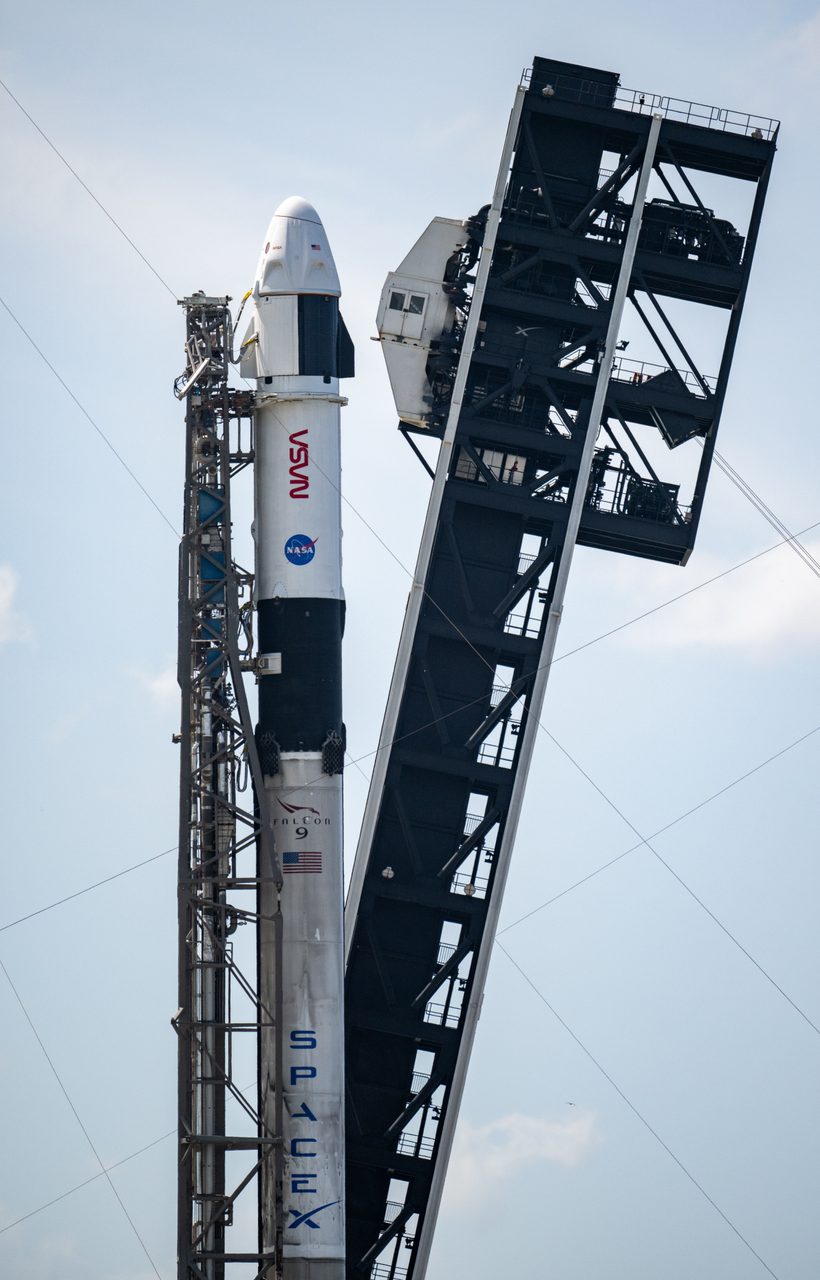
While no launches are scheduled for the immediate future, the Pegasus XL is set to air launch the Swift Boost Mission soon, aiming to extend the life of a NASA space telescope. This mission underscores the ongoing efforts to sustain and enhance existing space assets. For those interested in tracking upcoming launches, the Launch Schedule on Orbital Radar offers a comprehensive overview.
Frequently Asked Questions
What is the significance of Rocket Lab acquiring Iridium?
Why are Starlink satellites adjusting their orbits?
📎 Cite this article
Orbital Radar Newsroom. (2026). Rocket Lab Acquires Iridium, Expanding Satellite Comms Reach. Orbital Radar. https://orbitalradar.com/blog/orbital-briefing-2026-06-30"Rocket Lab Acquires Iridium, Expanding Satellite Comms Reach." Orbital Radar, 30 June 2026, https://orbitalradar.com/blog/orbital-briefing-2026-06-30.@misc{orbitalradar_orbital_briefing_2026_06_30,
title = {Rocket Lab Acquires Iridium, Expanding Satellite Comms Reach},
author = {{Orbital Radar}},
year = {2026},
howpublished = {\url{https://orbitalradar.com/blog/orbital-briefing-2026-06-30}}
}