Sunspot Spectacle: AR 4478 Illuminates the Solar Surface
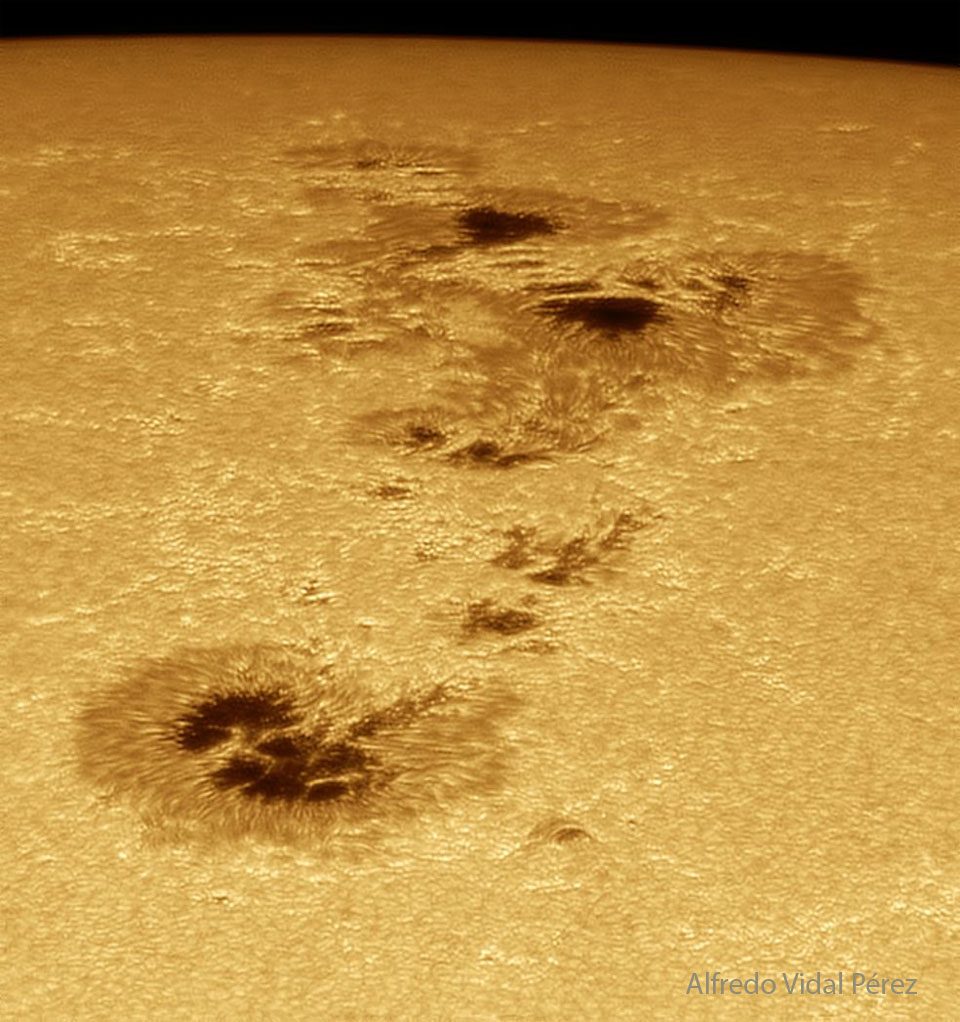
Discover AR 4478, a colossal sunspot group, its effects on Earth, and the science of solar activity.
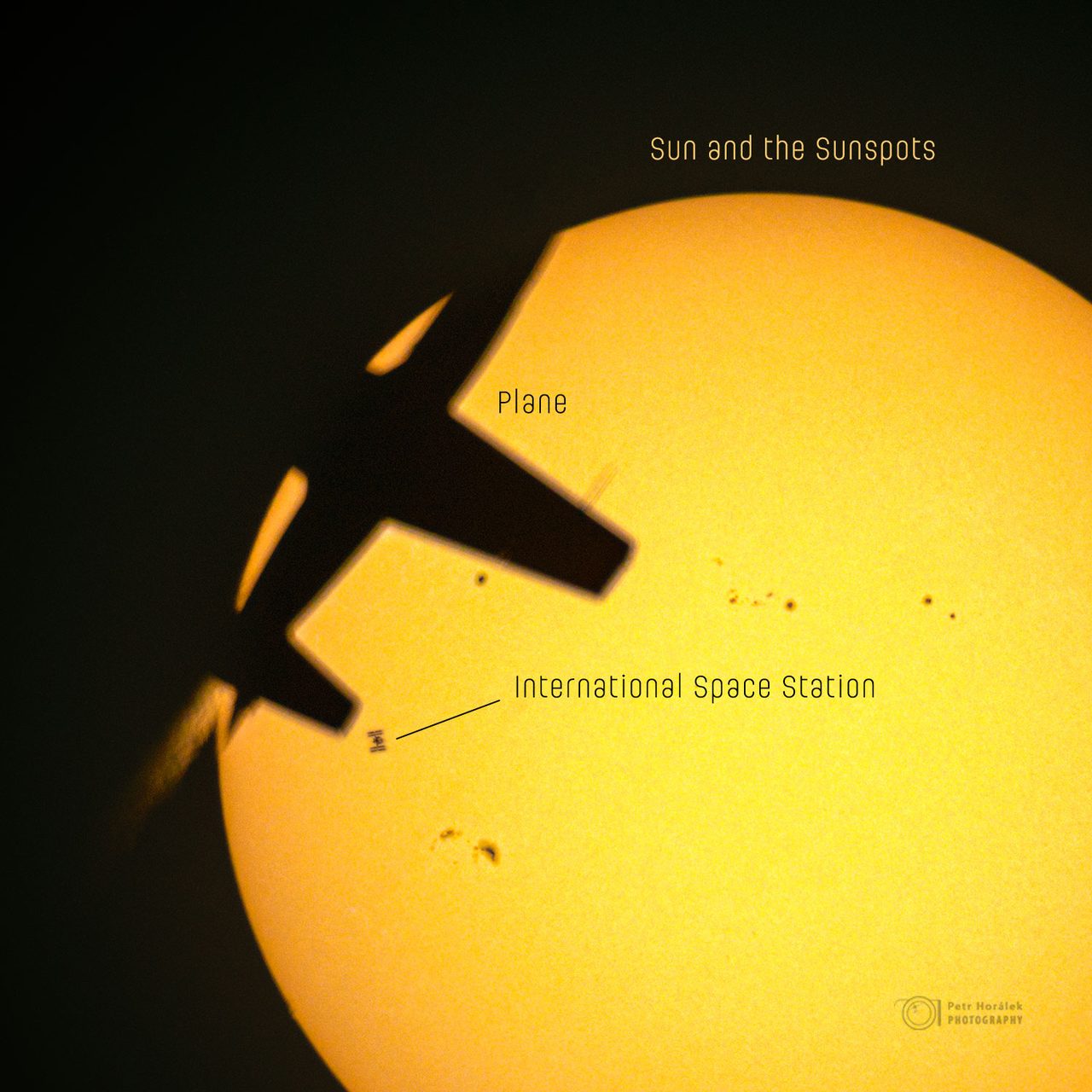
Active Region 4478, a vast sunspot group currently traversing the solar surface, is capturing the attention of astronomers and enthusiasts alike. This formation is significant not only for its size but also for its potential to unleash coronal mass ejections (CMEs), which are massive bursts of solar wind and magnetic fields. Such solar events can have profound effects on Earth, from disrupting satellite operations to enhancing auroral displays in polar regions.
The Broader Impact of Solar Activity
The study of sunspots like AR 4478 is crucial for understanding space weather, which refers to the environmental conditions in space as influenced by the Sun and the solar wind. These phenomena can affect satellite communications and navigation systems. Currently, there are 18,142 active satellites in orbit, including 10,675 Starlink satellites, which are particularly vulnerable to solar storms. The Debris Map on Orbital Radar provides insights into how these events might influence satellite orbits and debris fields.
Observing AR 4478 and Its Effects
For those interested in observing AR 4478, it is visible with appropriate solar viewing glasses. As the sunspot group moves across the Sun's surface, it may trigger auroras visible in higher latitudes. Enthusiasts can use the Pass Predictor to anticipate when these auroras might be visible in their area. This tool is invaluable for planning observations of both solar and atmospheric phenomena.
Frequently Asked Questions
What are gravitational waves?
How do we detect gravitational waves?
📎 Cite this article
Orbital Radar Newsroom. (2026). Sunspot Spectacle: AR 4478 Illuminates the Solar Surface. Orbital Radar. https://orbitalradar.com/blog/cosmic-gallery-2026-06-28"Sunspot Spectacle: AR 4478 Illuminates the Solar Surface." Orbital Radar, 29 June 2026, https://orbitalradar.com/blog/cosmic-gallery-2026-06-28.@misc{orbitalradar_cosmic_gallery_2026_06_28,
title = {Sunspot Spectacle: AR 4478 Illuminates the Solar Surface},
author = {{Orbital Radar}},
year = {2026},
howpublished = {\url{https://orbitalradar.com/blog/cosmic-gallery-2026-06-28}}
}