Starlink vs OneWeb: Comparing Satellite Internet Giants

Starlink and OneWeb offer satellite internet services with distinct approaches. Discover how they differ in technology, coverage, and future plans.
Starlink and OneWeb are two prominent satellite internet providers aiming to deliver global broadband coverage. Starlink, operated by SpaceX, utilises a large constellation of low Earth orbit (LEO) satellites, while OneWeb, backed by the UK government and other investors, also employs LEO satellites but with a different deployment strategy. Both aim to bridge the digital divide by providing internet access to remote areas.
How Starlink Works
Starlink's network consists of thousands of satellites orbiting at approximately 550 km altitude. As of July 2026, Starlink has launched 10,788 satellites, with 9,559 operational. These satellites communicate with ground stations and user terminals to provide high-speed internet. The Starlink Tracker offers real-time updates on satellite positions and coverage areas.
How OneWeb Works
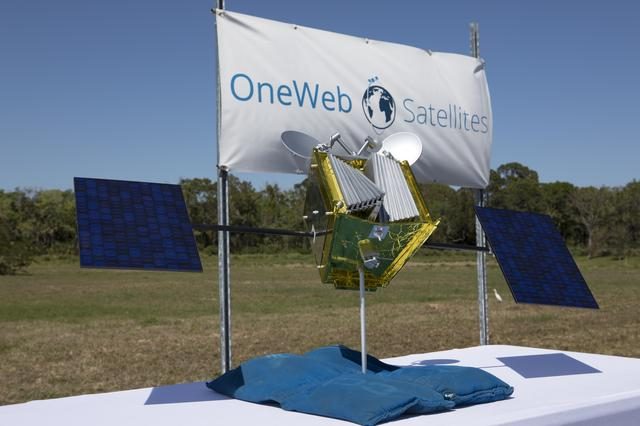
OneWeb's approach involves a smaller constellation compared to Starlink, with satellites orbiting at around 1,200 km. The company aims to deploy approximately 648 satellites for global coverage. OneWeb focuses on providing internet services to businesses, governments, and remote communities. The OneWeb Tracker provides insights into their satellite network.
Coverage and Speed Comparison
Starlink currently offers services in over 40 countries, with speeds ranging from 50 Mbps to 150 Mbps. OneWeb, while still expanding its network, targets similar speeds but with a focus on enterprise and government sectors. Both companies aim to increase speeds and reduce latency as their networks grow.
Cost and Accessibility
Starlink's service costs approximately $110 per month with a one-time equipment fee of $599. OneWeb's pricing is tailored for enterprise solutions, making it less accessible for individual consumers. The cost-effectiveness of each service depends on user needs and location.
Environmental and Regulatory Challenges

Both Starlink and OneWeb face challenges related to space debris and regulatory approvals. With 28,849 tracked objects in orbit, including 8,665 pieces of debris, managing space traffic is crucial. Regulatory bodies are working to ensure these networks comply with international standards to minimise orbital congestion.
Future Prospects and Innovations

Starlink plans to launch additional satellites, including the V2 Mini series, to enhance coverage and speed. OneWeb is exploring partnerships to expand its network and services. Both companies are pivotal in shaping the future of global internet connectivity.
Key Takeaways
Starlink and OneWeb represent two different strategies in satellite internet provision. Starlink's extensive network offers widespread consumer access, while OneWeb targets enterprise solutions. Both face similar challenges but hold the potential to revolutionise global connectivity.
Frequently Asked Questions
What is the difference between Starlink and OneWeb?
How fast is Starlink internet?
Is OneWeb available for individual consumers?
How many satellites does Starlink have in orbit?
What are the environmental concerns with satellite constellations?
📎 Cite this article
Orbital Radar Newsroom. (2026). Starlink vs OneWeb: Comparing Satellite Internet Giants. Orbital Radar. https://orbitalradar.com/blog/starlink-vs-oneweb-explained"Starlink vs OneWeb: Comparing Satellite Internet Giants." Orbital Radar, 20 July 2026, https://orbitalradar.com/blog/starlink-vs-oneweb-explained.@misc{orbitalradar_starlink_vs_oneweb_explained,
title = {Starlink vs OneWeb: Comparing Satellite Internet Giants},
author = {{Orbital Radar}},
year = {2026},
howpublished = {\url{https://orbitalradar.com/blog/starlink-vs-oneweb-explained}}
}