The Hubble Space Telescope: A Comprehensive Guide
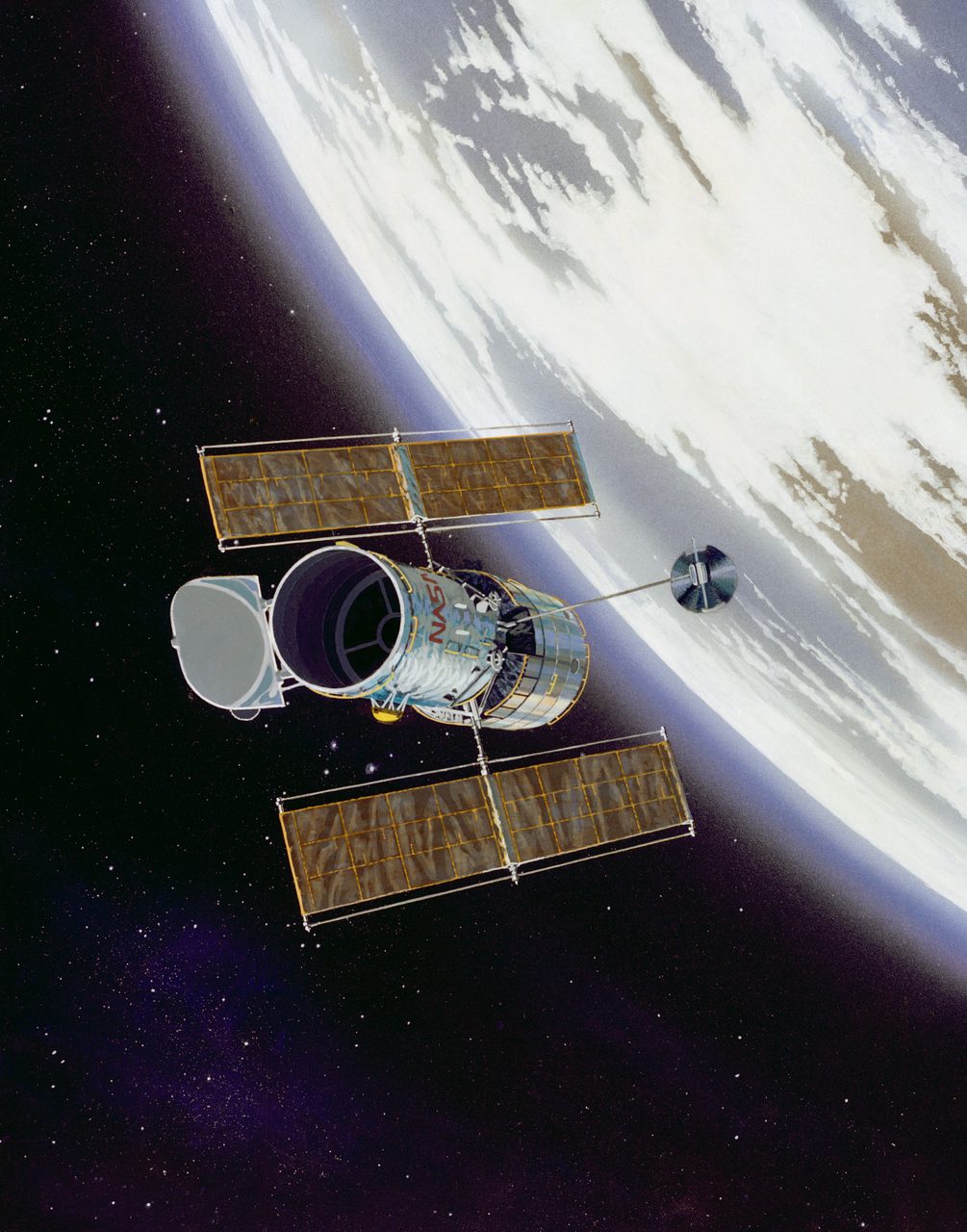
The Hubble Space Telescope, launched in 1990, revolutionised our understanding of the universe with its detailed images and data.
The Hubble Space Telescope (HST) is an orbiting observatory launched by NASA in 1990. Positioned in low Earth orbit, it provides high-resolution images and data, free from atmospheric distortion, revolutionising our understanding of the cosmos.
History and Development of Hubble
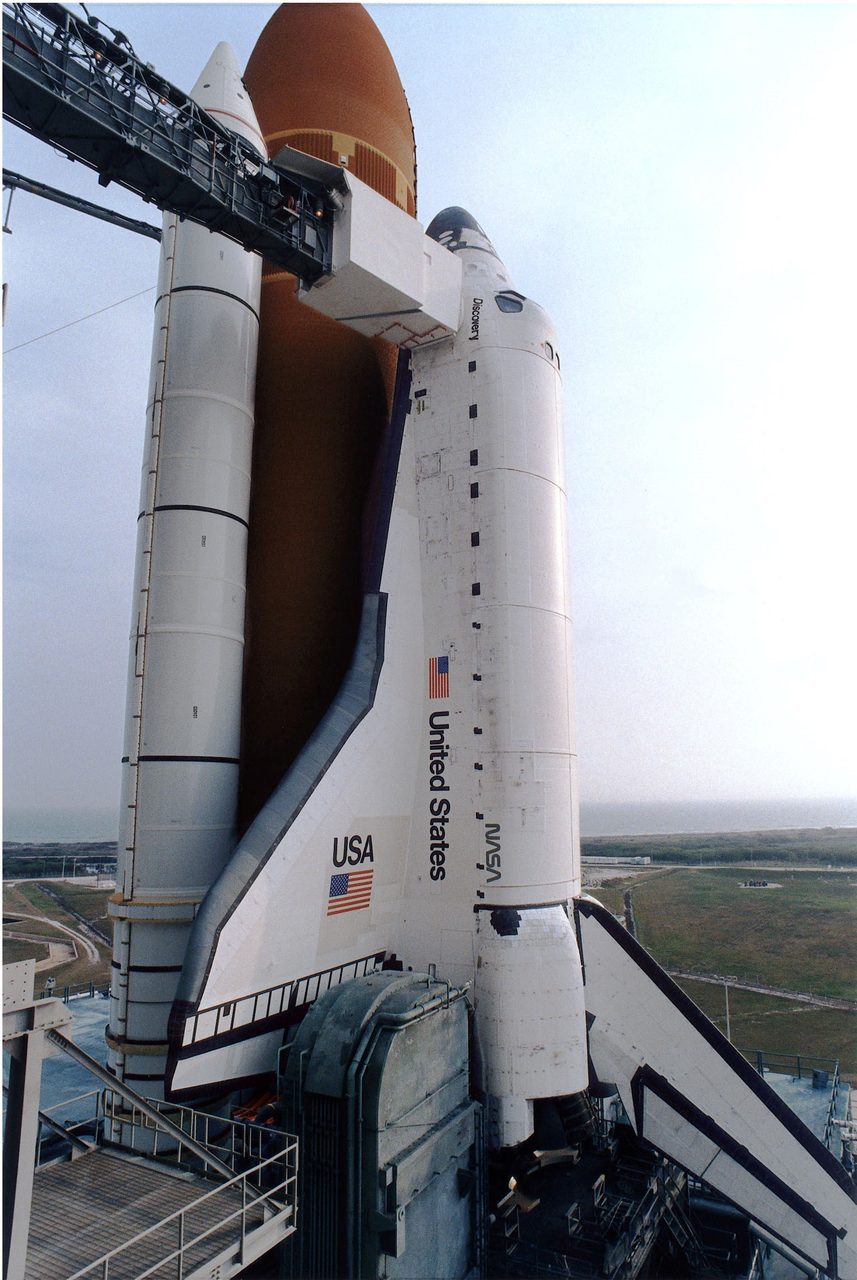
The Hubble Space Telescope was launched on April 24, 1990, aboard the Space Shuttle Discovery (STS-31). Named after astronomer Edwin Hubble, the telescope was a joint project between NASA and the European Space Agency (ESA). Overcoming initial setbacks, including a flawed primary mirror, Hubble has undergone several servicing missions to enhance its capabilities.
How Hubble Works
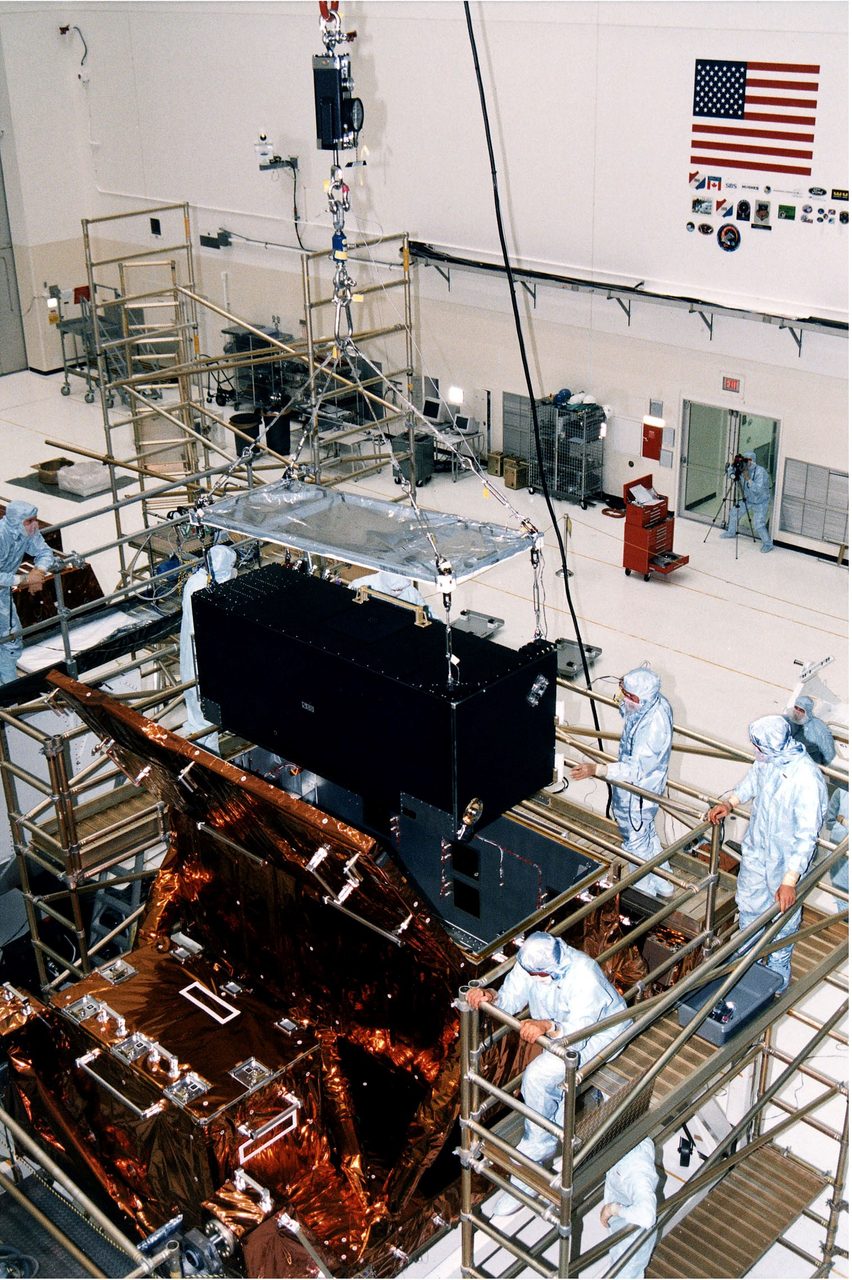
Hubble orbits Earth at an altitude of approximately 547 kilometres, completing an orbit every 95 minutes. It uses a 2.4-metre primary mirror to capture light, which is then analysed by its suite of scientific instruments. These include cameras and spectrographs that cover a range of wavelengths from ultraviolet to near-infrared.
Scientific Contributions and Discoveries
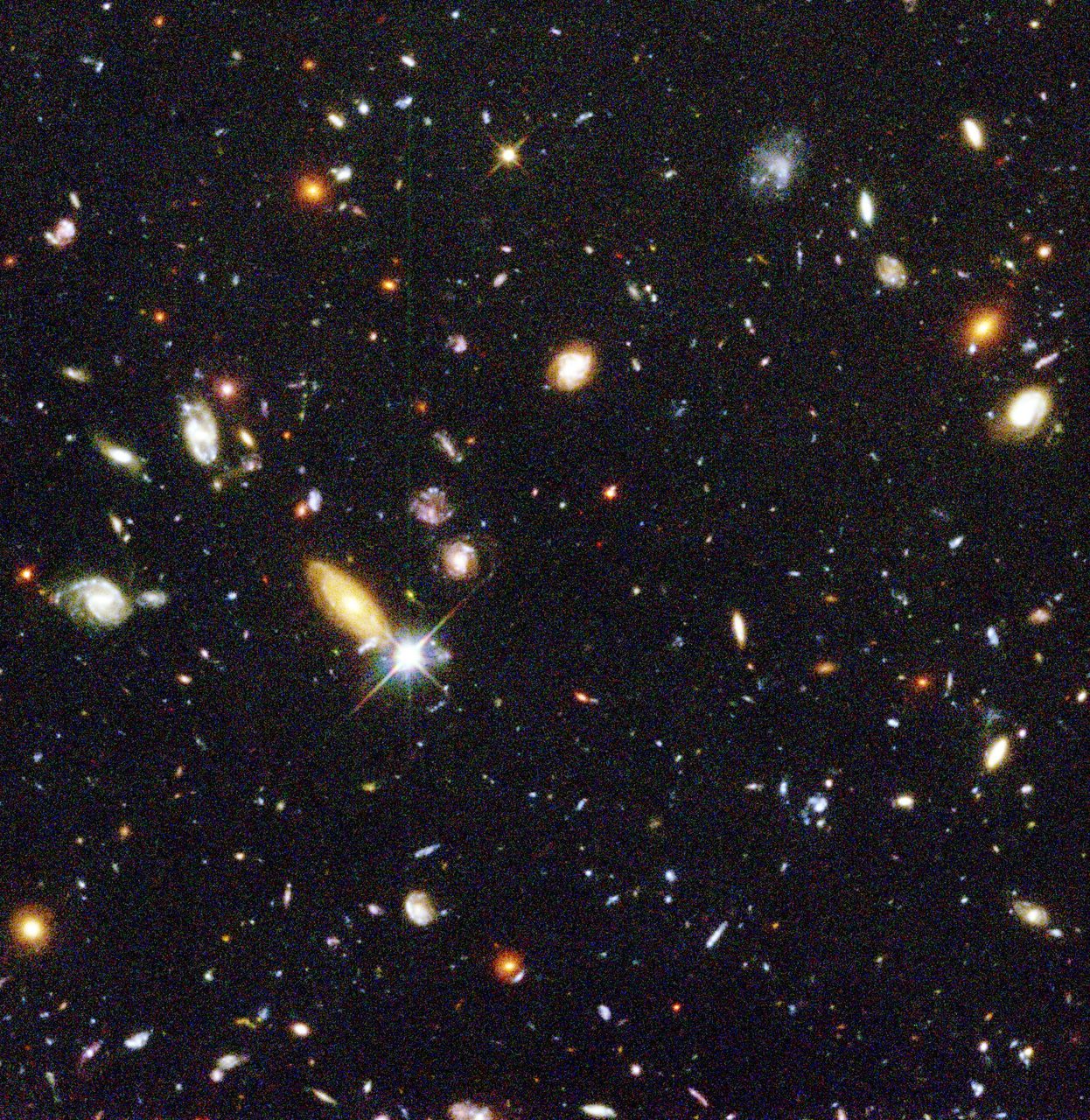
Hubble has made significant contributions to astronomy, including determining the rate of expansion of the universe and capturing images of distant galaxies and nebulae. Its observations have led to breakthroughs in understanding dark matter, dark energy, and the life cycles of stars.
Hubble's Impact on Astronomy
The data from Hubble has been pivotal in advancing our knowledge of the universe. Its ability to observe celestial phenomena with unprecedented clarity has provided insights into the age and size of the universe, the nature of black holes, and the composition of exoplanet atmospheres.
Challenges and Maintenance
Hubble has faced challenges, such as the initial optical flaw corrected during the first servicing mission in 1993. Subsequent missions, including the final one in 2009, have upgraded its instruments and extended its operational life. The telescope's status can be tracked on the Hubble Tracker page.
Hubble vs. James Webb Space Telescope
While Hubble observes primarily in visible and ultraviolet light, the James Webb Space Telescope (JWST) will focus on infrared wavelengths. JWST, set to launch in the 2020s, aims to complement Hubble's findings by exploring the earliest galaxies and star systems.
Key Takeaways
The Hubble Space Telescope has been instrumental in expanding our understanding of the universe. Its contributions continue to influence astronomy, providing data that supports ongoing research and discovery. For more information, visit the Hubble Space Telescope page.
Frequently Asked Questions
What is the Hubble Space Telescope used for?
How long has the Hubble Space Telescope been in operation?
What are some of the Hubble Space Telescope's major discoveries?
How does the Hubble Space Telescope differ from ground-based telescopes?
Can the public access Hubble's images and data?
📎 Cite this article
Orbital Radar Newsroom. (2026). The Hubble Space Telescope: A Comprehensive Guide. Orbital Radar. https://orbitalradar.com/blog/hubble-explainer"The Hubble Space Telescope: A Comprehensive Guide." Orbital Radar, 16 June 2026, https://orbitalradar.com/blog/hubble-explainer.@misc{orbitalradar_hubble_explainer,
title = {The Hubble Space Telescope: A Comprehensive Guide},
author = {{Orbital Radar}},
year = {2026},
howpublished = {\url{https://orbitalradar.com/blog/hubble-explainer}}
}