James Webb Space Telescope: Current Location and Orbit
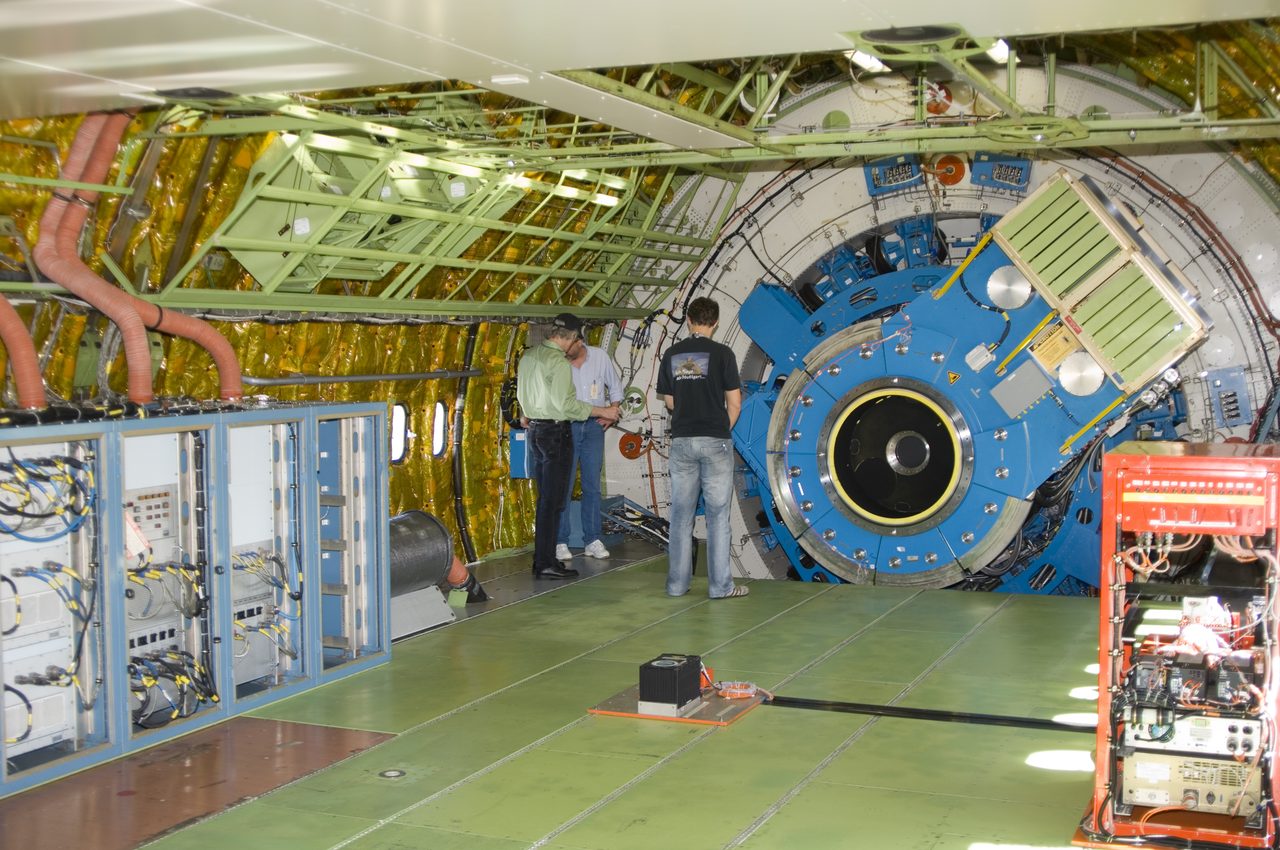
The James Webb Space Telescope is positioned at the second Lagrange point (L2), approximately 1.5 million kilometres from Earth, providing a stable environment for deep space observations.
The James Webb Space Telescope (JWST) is located at the second Lagrange point (L2), approximately 1.5 million kilometres from Earth. This position allows it to maintain a stable orbit while providing an unobstructed view of the universe. The L2 point is one of five positions in space where the gravitational forces of the Earth and the Sun balance the orbital motion of a satellite.
What is the L2 Lagrange Point?
The L2 Lagrange point is a location in space where the gravitational pull of the Earth and the Sun combine to create a stable environment for satellites. It is situated directly opposite the Sun, allowing telescopes like the JWST to have a clear, continuous view of space without the interference of Earth's shadow. This position is ideal for infrared astronomy, as it keeps the telescope's instruments cool and stable.
How Does the JWST Maintain Its Position?
The JWST uses small thrusters to perform periodic station-keeping manoeuvres, ensuring it remains in its orbit around the L2 point. These adjustments are necessary due to the gravitational influences of other celestial bodies and the pressure of solar radiation on the telescope. The precise orbit is a halo orbit around L2, which provides a stable platform for its scientific instruments.
Why is the L2 Location Important for Astronomy?
The L2 location is crucial for the JWST's mission as it provides a thermally stable environment, essential for its infrared observations. By being far from Earth, the telescope avoids the planet's heat and light, which can interfere with sensitive measurements. This stability allows the JWST to capture high-resolution images and spectra, advancing our understanding of the universe.
JWST vs. Hubble: Differences in Location and Capabilities
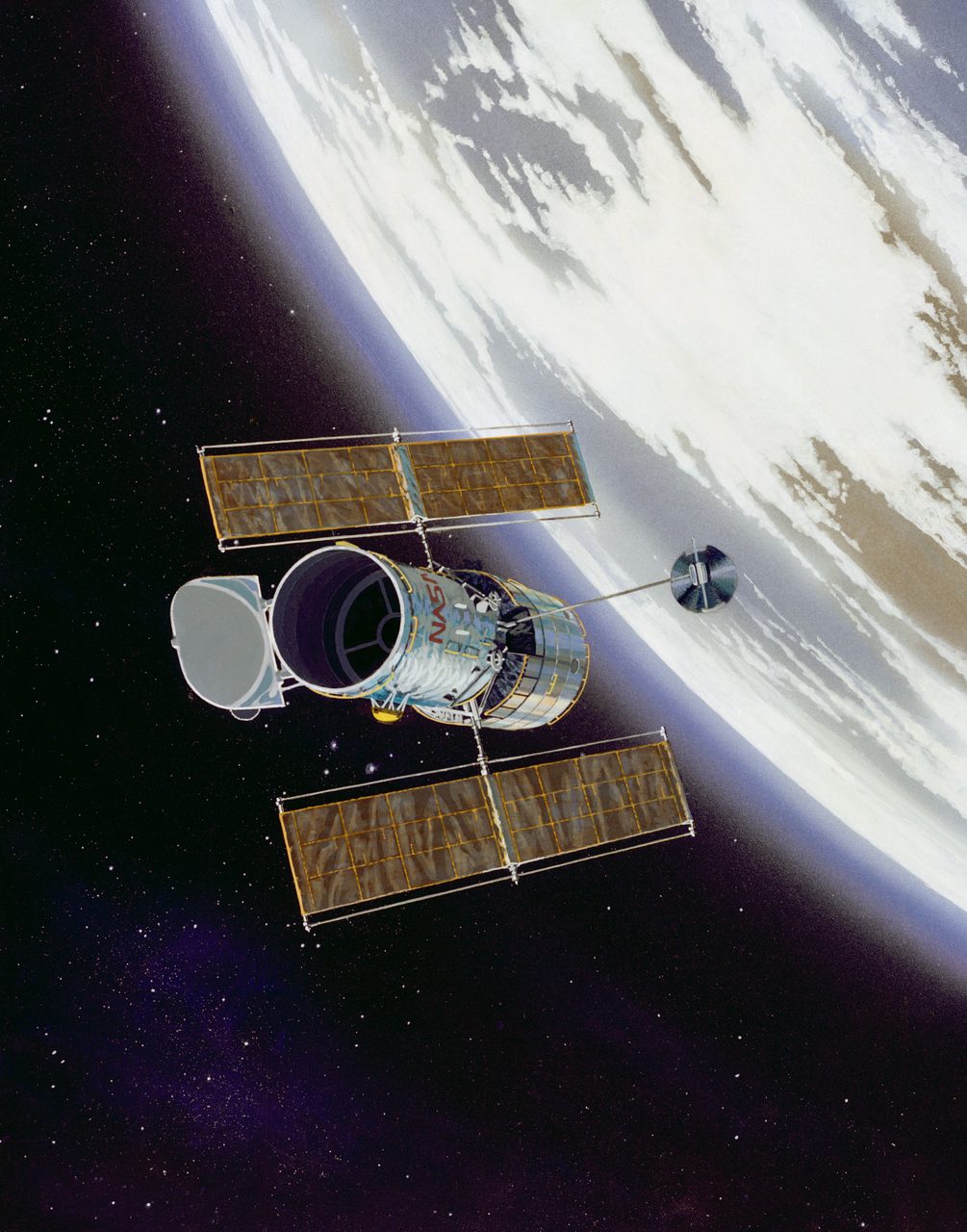
Unlike the Hubble Space Telescope, which orbits Earth at approximately 547 kilometres, the JWST's position at L2 offers a different set of observational advantages. While Hubble provides detailed optical and ultraviolet images from low Earth orbit, the JWST's infrared capabilities allow it to peer through cosmic dust and observe the early universe. This complementary approach enhances our overall astronomical knowledge.
Tracking the JWST: How to Follow Its Journey
The position and status of the JWST can be monitored using tools like the JWST Tracker on Orbital Radar. This resource provides real-time updates on its location, orbit, and operational status, allowing enthusiasts and researchers to stay informed about this groundbreaking mission.
Key Takeaways
The James Webb Space Telescope's location at the L2 Lagrange point is pivotal for its mission, offering a stable and thermally controlled environment for infrared astronomy. This position enhances its ability to observe distant galaxies, stars, and planetary systems, contributing significantly to our understanding of the cosmos. Tools like the Orbital Radar JWST page provide valuable insights into its ongoing journey.
Frequently Asked Questions
Where is the James Webb Space Telescope located?
Why is the L2 point chosen for the JWST?
How does the JWST stay in position?
What are the advantages of the JWST's location compared to Hubble?
How can I track the JWST's location and status?
📎 Cite this article
Orbital Radar Newsroom. (2026). James Webb Space Telescope: Current Location and Orbit. Orbital Radar. https://orbitalradar.com/blog/jwst-location-explained"James Webb Space Telescope: Current Location and Orbit." Orbital Radar, 30 July 2026, https://orbitalradar.com/blog/jwst-location-explained.@misc{orbitalradar_jwst_location_explained,
title = {James Webb Space Telescope: Current Location and Orbit},
author = {{Orbital Radar}},
year = {2026},
howpublished = {\url{https://orbitalradar.com/blog/jwst-location-explained}}
}