The International Space Station: A Comprehensive Guide
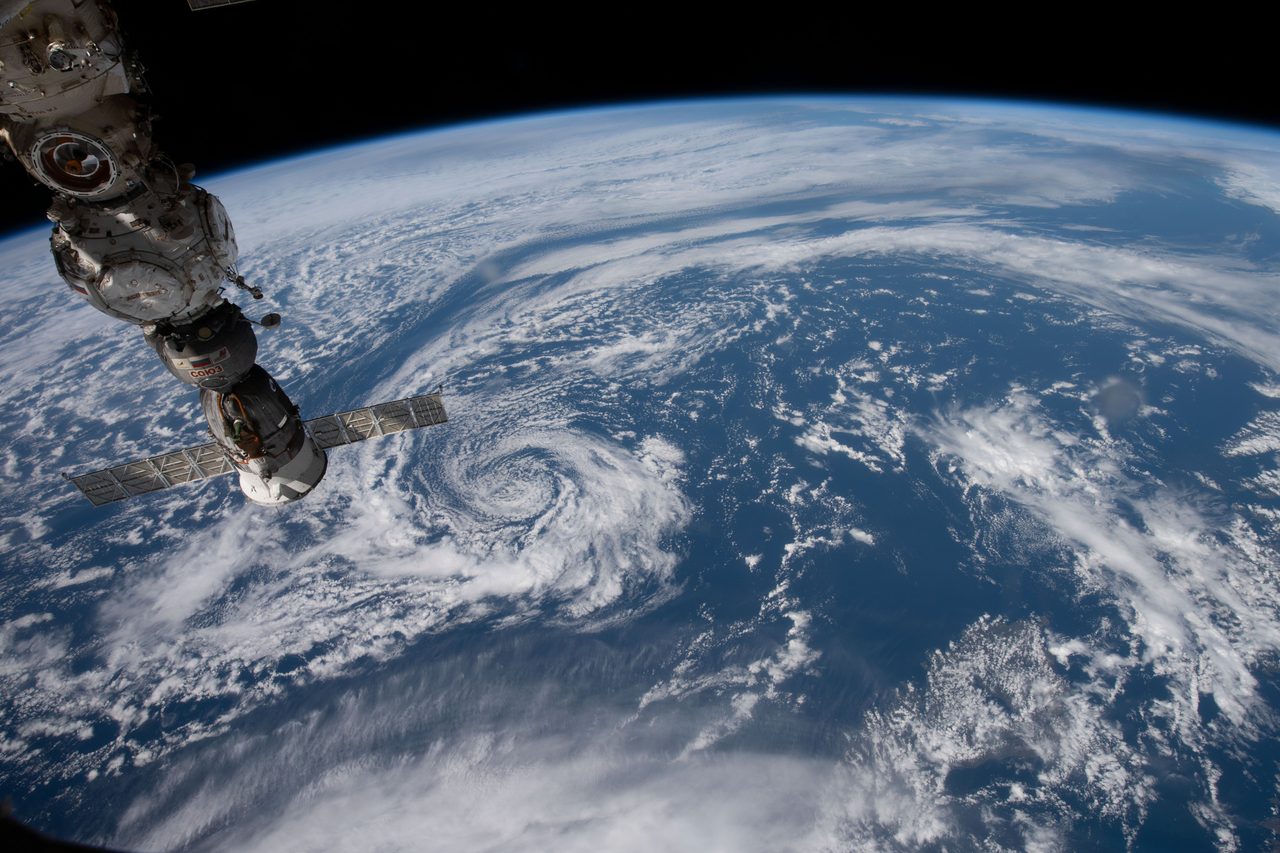
The International Space Station (ISS) is a multi-nation project that orbits Earth, serving as a microgravity research lab and a hub for international cooperation.
The International Space Station (ISS) is a collaborative project involving five space agencies: NASA, Roscosmos, JAXA, ESA, and CSA. It orbits Earth at an altitude of approximately 420 kilometres, completing an orbit every 90 minutes. The ISS serves as a microgravity and space environment research laboratory where scientific research is conducted in astrobiology, astronomy, meteorology, and other fields.
How is the ISS Structured?
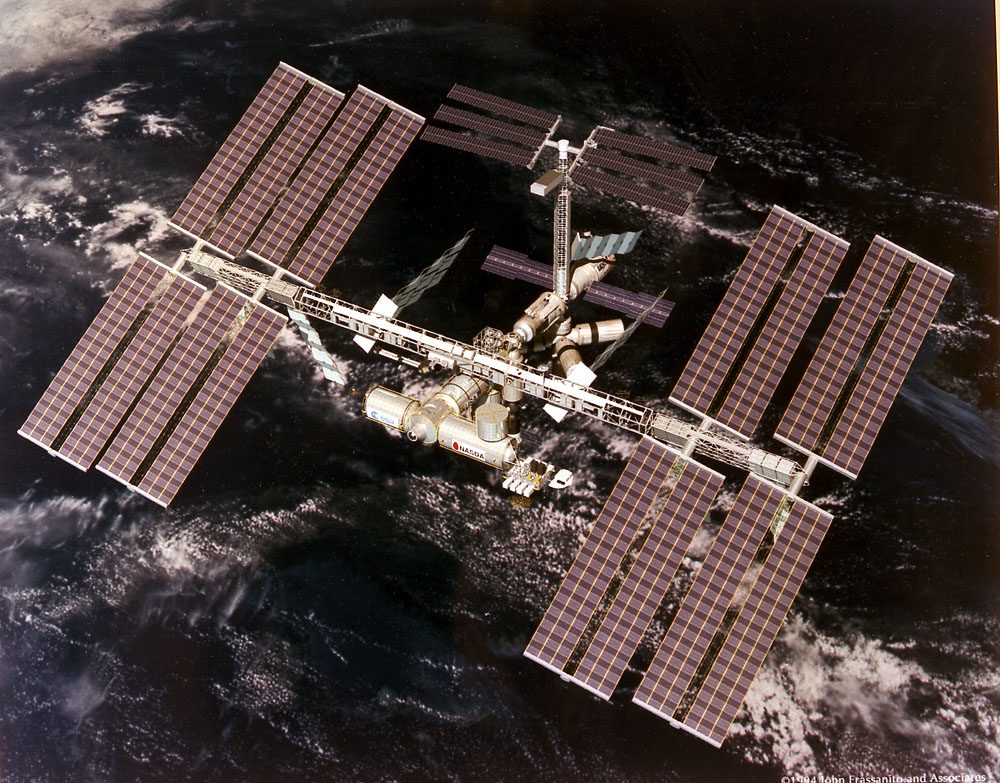
The ISS is composed of multiple interconnected modules, each serving a specific purpose. The first module, Zarya, was launched in 1998. The station now includes modules such as the Russian Zvezda service module, the American Destiny laboratory, and the European Columbus laboratory. The ISS also features solar arrays that provide power, and it has a mass of approximately 420,000 kilograms.
What is Life Like on the ISS?
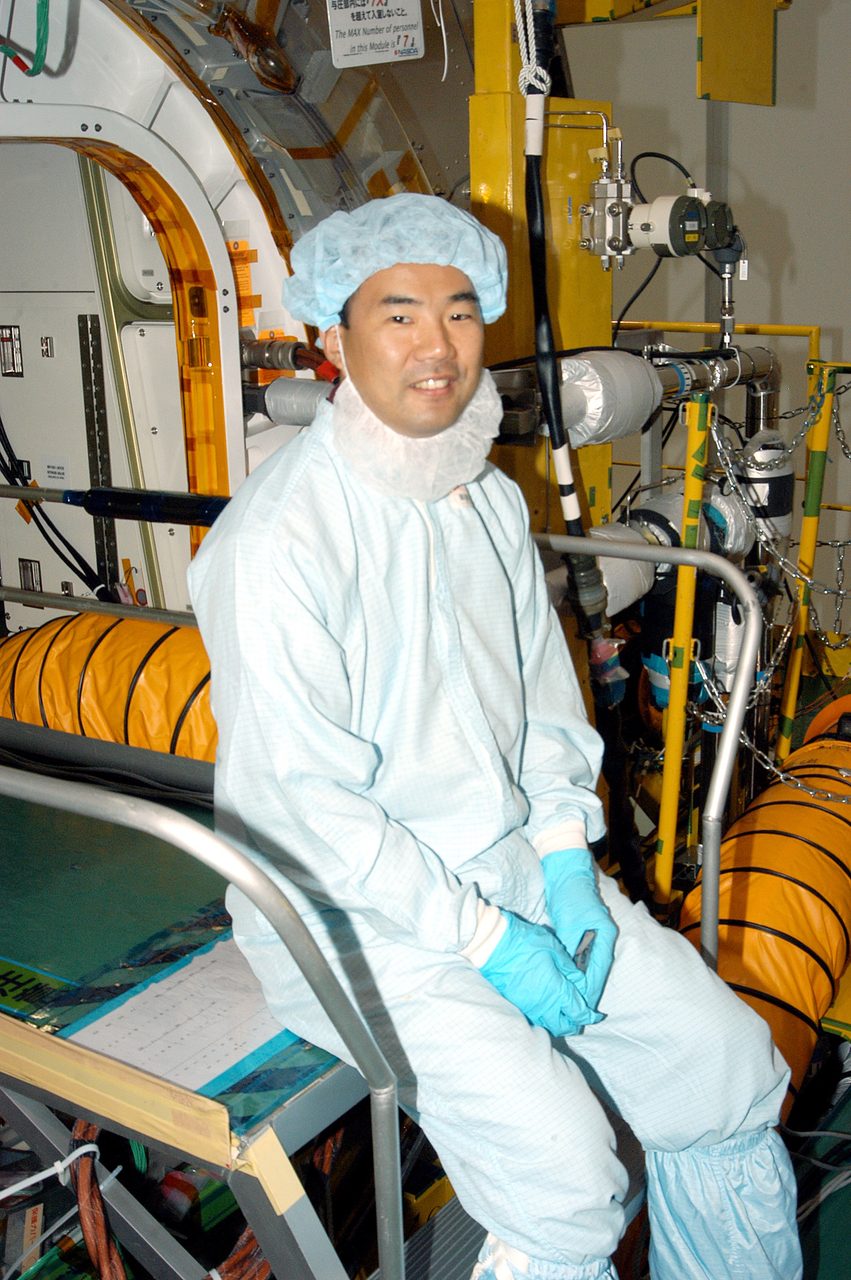
Astronauts aboard the ISS experience a unique living environment. They work in a microgravity environment, which affects their daily activities and physiological health. Crew members follow a strict schedule of scientific experiments, maintenance, and exercise to counteract the effects of weightlessness. Meals are pre-packaged and water is recycled from onboard systems.
Scientific Research on the ISS
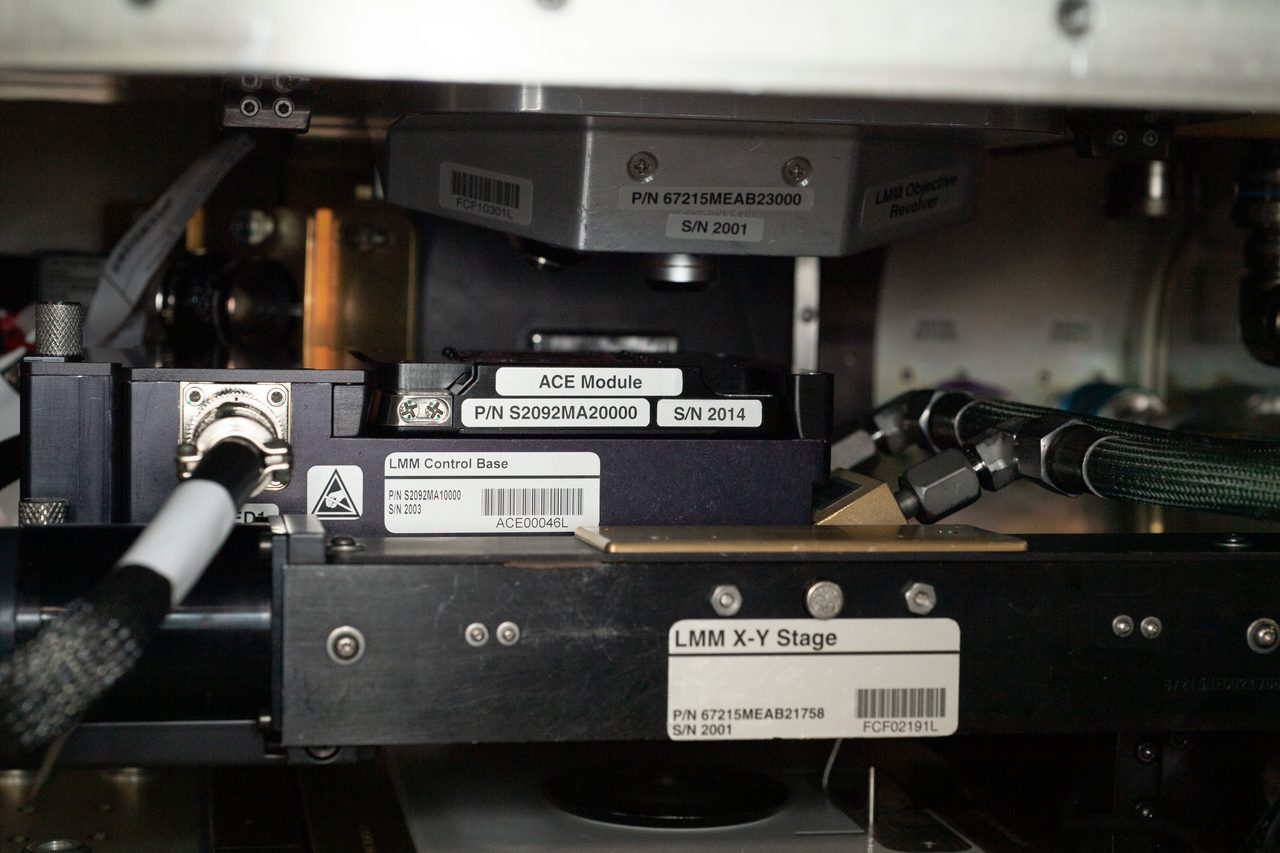
The ISS provides a platform for a wide range of scientific experiments that cannot be conducted on Earth. Research areas include materials science, space medicine, and fundamental physics. The microgravity environment allows scientists to study phenomena such as fluid dynamics and combustion in new ways. The ISS page details ongoing research projects.
How to See the ISS from Earth
The ISS is one of the brightest objects in the night sky and can be seen with the naked eye. It appears as a fast-moving bright spot across the sky. To find out when the ISS will be visible in your area, use the ISS viewing guide on Orbital Radar. The station's orbit allows it to pass over most populated areas, offering frequent viewing opportunities.
The Future of the ISS
The ISS is expected to remain operational until at least 2030, with plans to transition to commercial space stations thereafter. This transition is part of a broader strategy to encourage private sector involvement in low Earth orbit. NASA and its partners are exploring ways to ensure a sustainable human presence in space beyond the ISS's operational life.
Key Takeaways
The ISS is a testament to international collaboration in space exploration. It serves as a hub for scientific research and international cooperation, orbiting Earth every 90 minutes. With its future secured until at least 2030, the ISS continues to be a vital platform for advancing our understanding of space and science.
Frequently Asked Questions
How long does it take for the ISS to orbit Earth?
How many people can live on the ISS?
What is the altitude of the ISS?
Who owns the International Space Station?
Can the ISS be seen from Earth without a telescope?
📎 Cite this article
Orbital Radar Newsroom. (2026). The International Space Station: A Comprehensive Guide. Orbital Radar. https://orbitalradar.com/blog/iss-complete-guide"The International Space Station: A Comprehensive Guide." Orbital Radar, 25 July 2026, https://orbitalradar.com/blog/iss-complete-guide.@misc{orbitalradar_iss_complete_guide,
title = {The International Space Station: A Comprehensive Guide},
author = {{Orbital Radar}},
year = {2026},
howpublished = {\url{https://orbitalradar.com/blog/iss-complete-guide}}
}