Tracking Voyager 1 and 2: Humanity's Most Distant Machines
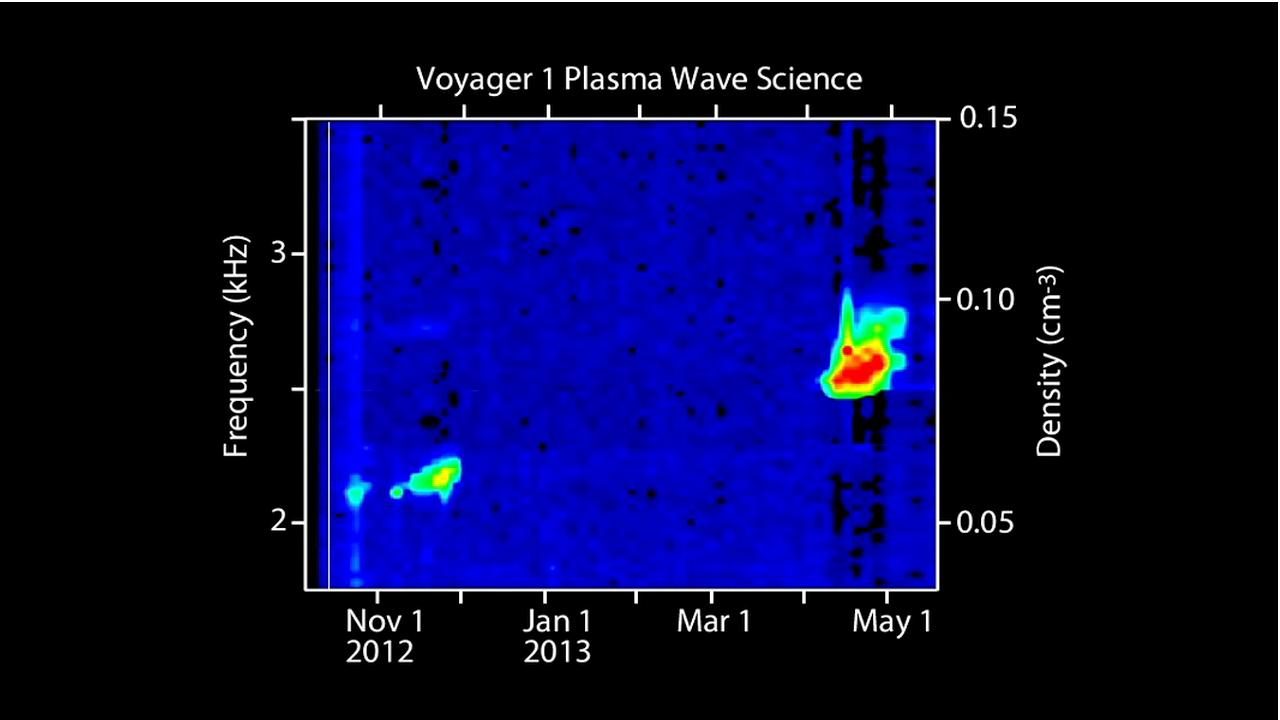
Voyager 1 and 2 are the farthest human-made objects, now in interstellar space. Learn how they are tracked and their current locations.
Voyager 1 and Voyager 2, launched in 1977, are the farthest human-made objects from Earth. As of 2026, Voyager 1 is approximately 24 billion kilometres from Earth, while Voyager 2 is about 20 billion kilometres away. Both spacecraft have entered interstellar space, having crossed the heliopause, the boundary where the Sun's influence wanes. Their locations are tracked using the Deep Space Network (DSN), a global array of radio antennas.
How Are Voyager 1 and 2 Tracked?
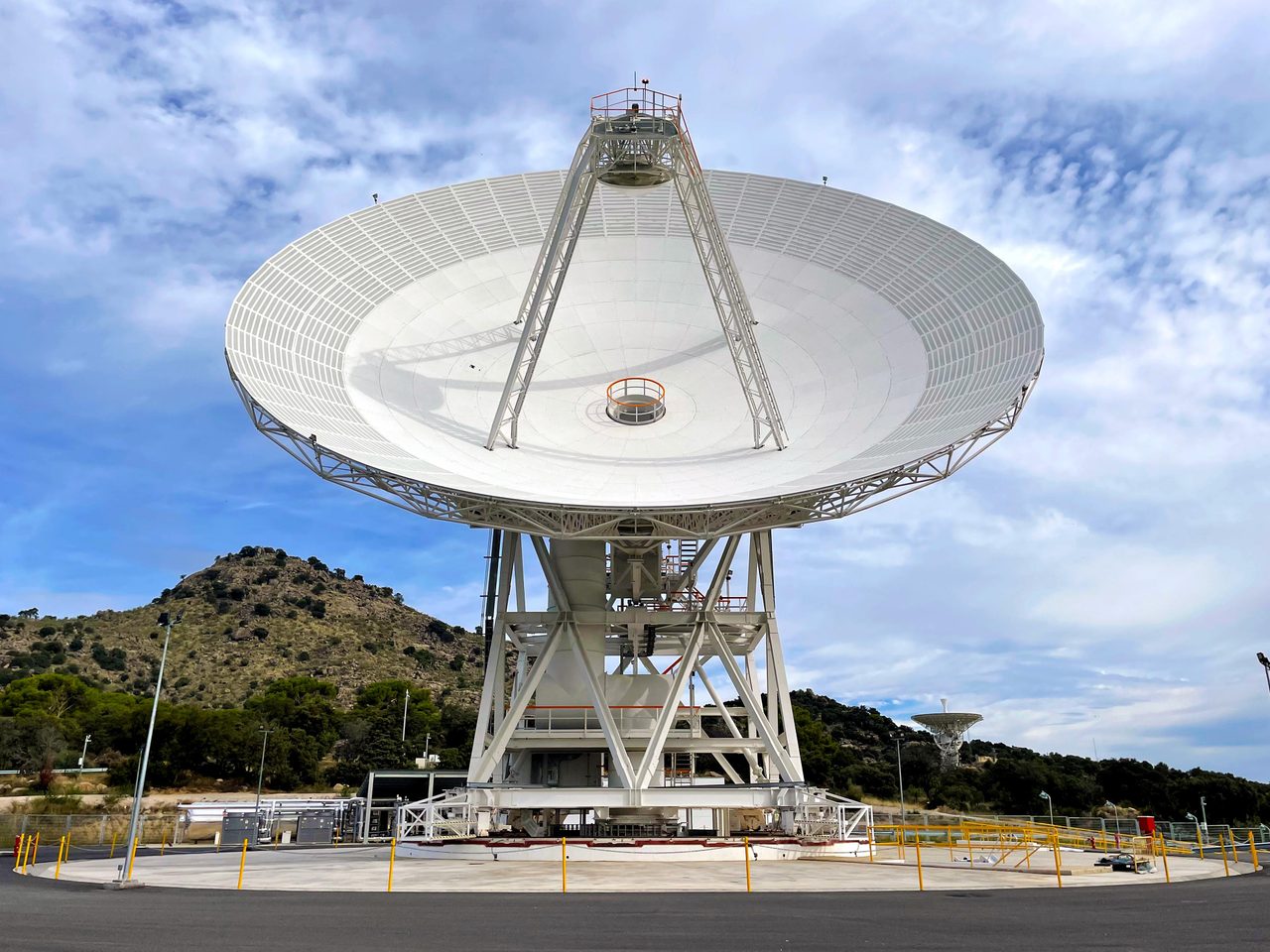
The Deep Space Network (DSN) plays a crucial role in tracking Voyager 1 and 2. This network consists of three antenna complexes located in Goldstone, California; Madrid, Spain; and Canberra, Australia. These facilities allow continuous communication with the spacecraft as Earth rotates. The DSN receives signals from the Voyagers, which are then analysed to determine their precise location and velocity. This data is essential for maintaining contact and ensuring the spacecraft's instruments continue to function.
Voyager 1 vs Voyager 2: Key Differences
While both spacecraft were launched in 1977, Voyager 2 was launched first on August 20, followed by Voyager 1 on September 5. Voyager 1 was sent on a faster trajectory and reached Jupiter and Saturn before Voyager 2. Voyager 2, however, had a more extended mission, visiting Uranus and Neptune. The spacecraft are equipped with different instruments tailored to their specific mission goals, such as the Plasma Science Experiment (PLS) on Voyager 2, which was not included on Voyager 1.
Why Voyager's Location Matters
Understanding the location of Voyager 1 and 2 is vital for several reasons. Scientifically, their position in interstellar space provides unique data about the heliosphere's boundary and the interstellar medium. This information helps scientists understand the Sun's influence on the solar system and the nature of space beyond it. Additionally, the Voyagers' continued operation demonstrates the durability and longevity of space technology, offering insights for future deep space missions.
Challenges in Tracking the Voyagers
Tracking the Voyagers presents several challenges. The immense distance results in a significant delay in communication, with signals taking over 22 hours to travel one way. The weakening power supply, as the spacecraft's plutonium-238 decays, limits the number of instruments that can be operated simultaneously. Despite these challenges, NASA continues to maintain contact, prioritising data transmission from critical instruments.
Key Takeaways
Voyager 1 and 2 remain humanity's most distant emissaries, providing invaluable data from interstellar space. Their precise tracking is achieved through the Deep Space Network, despite the challenges posed by their vast distance. These missions continue to enhance our understanding of the solar system's boundaries and the space beyond. For more detailed information, visit the Voyager 1 and Voyager 2 pages.
Frequently Asked Questions
Where are Voyager 1 and 2 now?
How does NASA communicate with the Voyagers?
What scientific data do the Voyagers send back?
How long will the Voyagers continue to operate?
What is the significance of the heliopause?
📎 Cite this article
Orbital Radar Newsroom. (2026). Tracking Voyager 1 and 2: Humanity's Most Distant Machines. Orbital Radar. https://orbitalradar.com/blog/voyager-tracking-explained"Tracking Voyager 1 and 2: Humanity's Most Distant Machines." Orbital Radar, 31 July 2026, https://orbitalradar.com/blog/voyager-tracking-explained.@misc{orbitalradar_voyager_tracking_explained,
title = {Tracking Voyager 1 and 2: Humanity's Most Distant Machines},
author = {{Orbital Radar}},
year = {2026},
howpublished = {\url{https://orbitalradar.com/blog/voyager-tracking-explained}}
}