Space Debris: Understanding the Growing Threat in Orbit

Space debris refers to defunct human-made objects in orbit that pose collision risks to spacecraft and satellites.
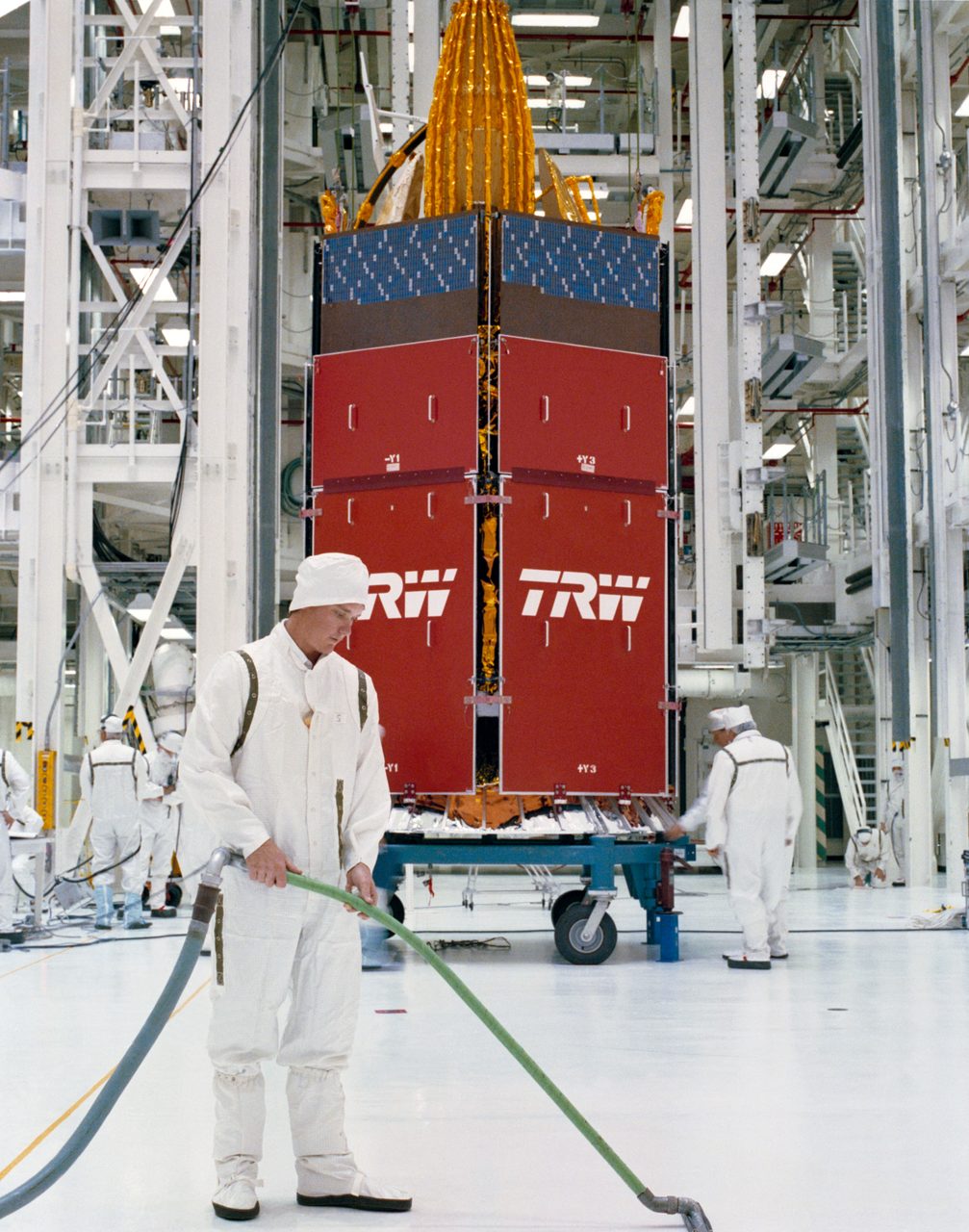
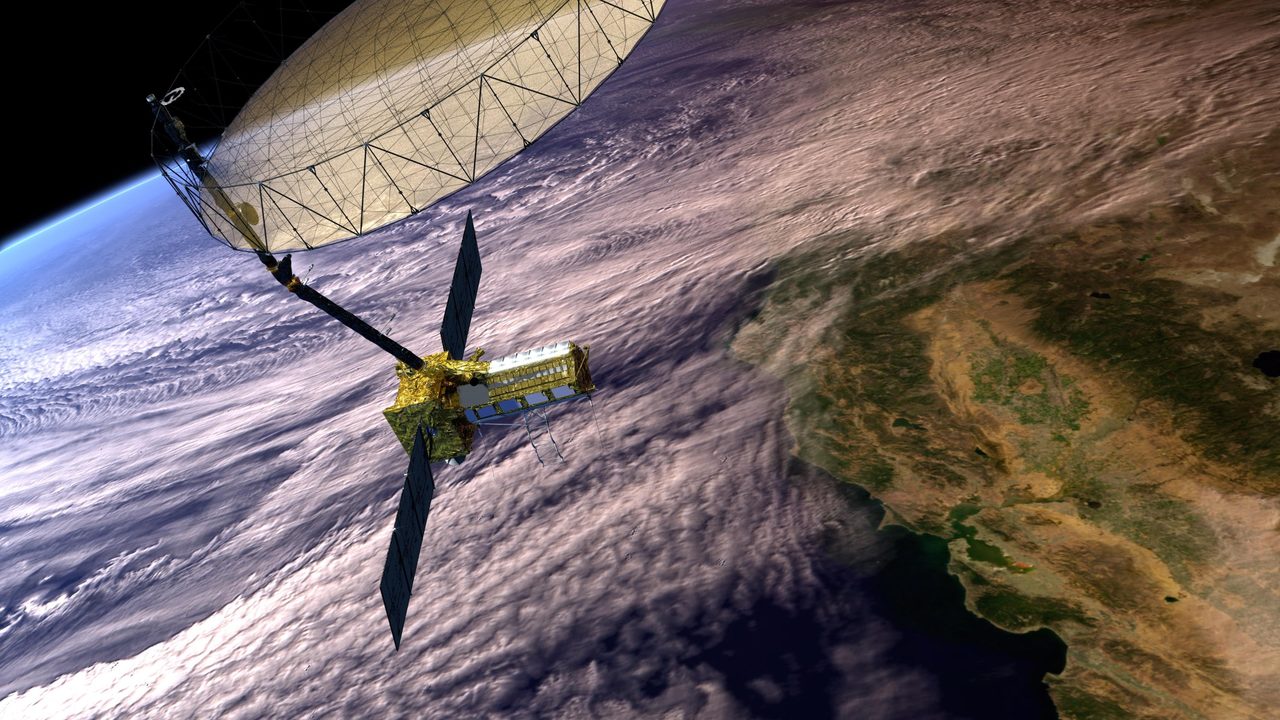
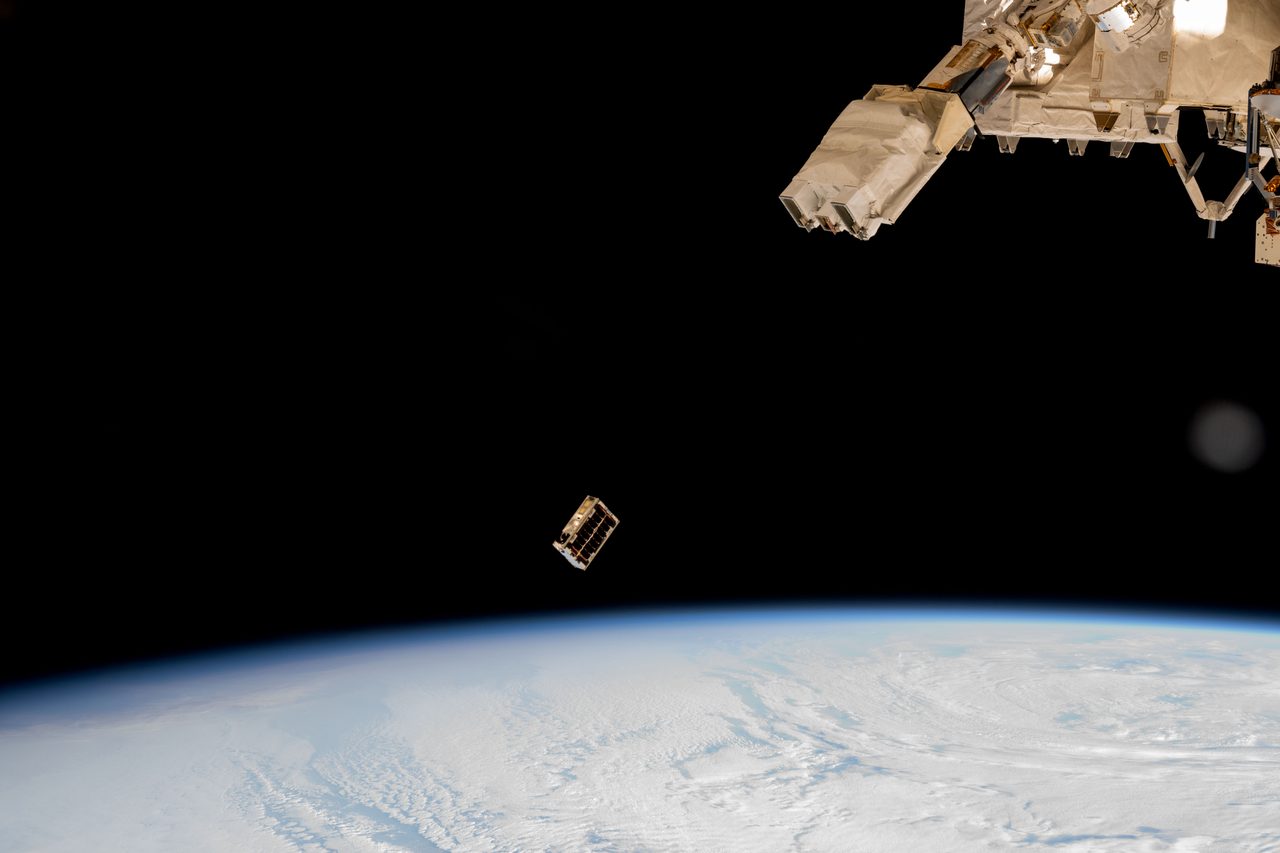
Space debris, also known as orbital debris, encompasses defunct satellites, spent rocket stages, and fragments from disintegration, erosion, and collisions. As of 2023, there are 28,606 catalogued objects in orbit, including 8,676 pieces of debris. The estimated total mass of these objects is approximately 15,800 tonnes. This debris poses significant risks to operational satellites and the International Space Station (ISS).
What is Space Debris?
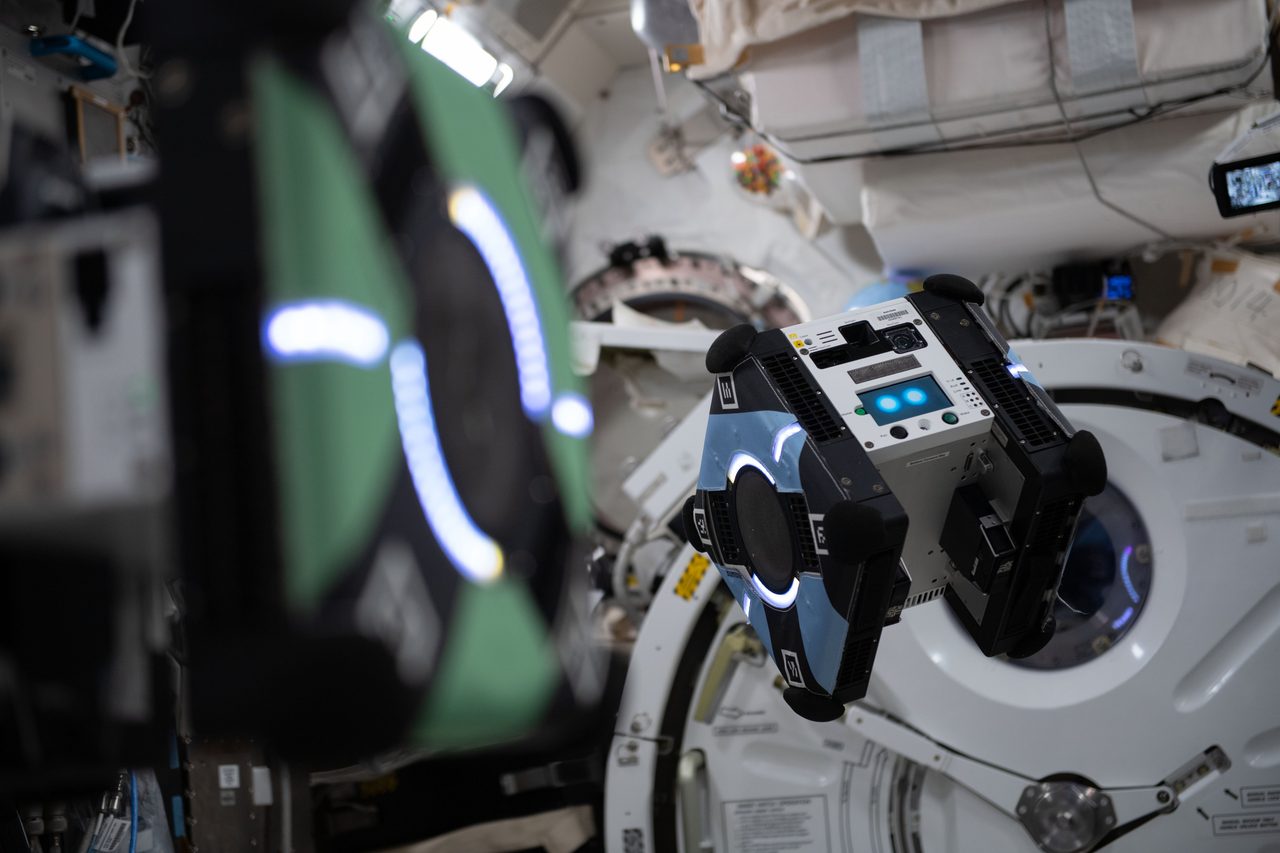
Space debris consists of non-functional, human-made objects in Earth's orbit. These include inactive satellites, abandoned launch vehicle stages, and fragments from disintegration events. According to the latest data, there are 18,050 active satellites and 8,676 catalogued debris pieces. The presence of debris increases the likelihood of collisions, which can generate even more fragments, exacerbating the problem.
How Does Space Debris Form?
Space debris is primarily generated from satellite collisions, rocket stage separations, and anti-satellite missile tests. For instance, the 2009 collision between the Iridium 33 and Cosmos 2251 satellites created over 2,000 pieces of trackable debris. Additionally, the intentional destruction of satellites in tests has added significantly to the debris population.
Why Does Space Debris Matter?
Space debris poses a threat to active satellites and human spaceflight. A collision with debris as small as 10 cm can destroy a satellite or spacecraft. The ISS regularly performs debris avoidance manoeuvres to prevent potential impacts. The growing debris population also threatens future space exploration and satellite deployment, making debris mitigation a priority for space agencies.
Space Debris Mitigation Strategies
Efforts to mitigate space debris include designing satellites for controlled re-entry, using passive deorbiting technologies, and implementing international guidelines for debris reduction. The European Space Agency's Clean Space initiative and NASA's Orbital Debris Program Office are at the forefront of these efforts. Active debris removal missions are also being developed to capture and deorbit large debris objects.
Tracking and Monitoring Space Debris
Space debris is tracked using radar and optical systems. The United States Space Surveillance Network (SSN) monitors over 28,605 objects, providing data crucial for collision avoidance. Orbital Radar's Debris Map visualises the distribution and movement of debris, offering real-time tracking and analysis.
Key Takeaways
Space debris is a growing concern for the space industry, posing risks to satellites and human missions. With over 28,605 tracked objects, effective mitigation and tracking strategies are essential. International cooperation and technological innovation are crucial to managing and reducing the debris population.
Frequently Asked Questions
How much space debris is currently in orbit?
What are the risks of space debris?
How is space debris tracked?
What is being done to reduce space debris?
Why is space debris increasing?
📎 Cite this article
Orbital Radar Newsroom. (2026). Space Debris: Understanding the Growing Threat in Orbit. Orbital Radar. https://orbitalradar.com/blog/space-debris-complete-guide"Space Debris: Understanding the Growing Threat in Orbit." Orbital Radar, 19 June 2026, https://orbitalradar.com/blog/space-debris-complete-guide.@misc{orbitalradar_space_debris_complete_guide,
title = {Space Debris: Understanding the Growing Threat in Orbit},
author = {{Orbital Radar}},
year = {2026},
howpublished = {\url{https://orbitalradar.com/blog/space-debris-complete-guide}}
}