Starlink Satellites Adjust Orbits; Moon's Water Remains Deep
Starlink satellites execute orbital adjustments, Moon's water remains in its interior, and SpaceX prepares for Starship's 13th test flight.
Recent orbital data indicates significant manoeuvres among several Starlink satellites. Notably, STARLINK-2542, STARLINK-2555, STARLINK-2545, and STARLINK-2566 have all shown changes in their argument of perigee, suggesting potential orbital adjustments. These changes, ranging from approximately 8.63° to 9.44°, could be indicative of routine station-keeping or avoidance manoeuvres. For those tracking these satellites, detailed information is available on the Starlink Tracker.
Moon's Water Deeply Bound
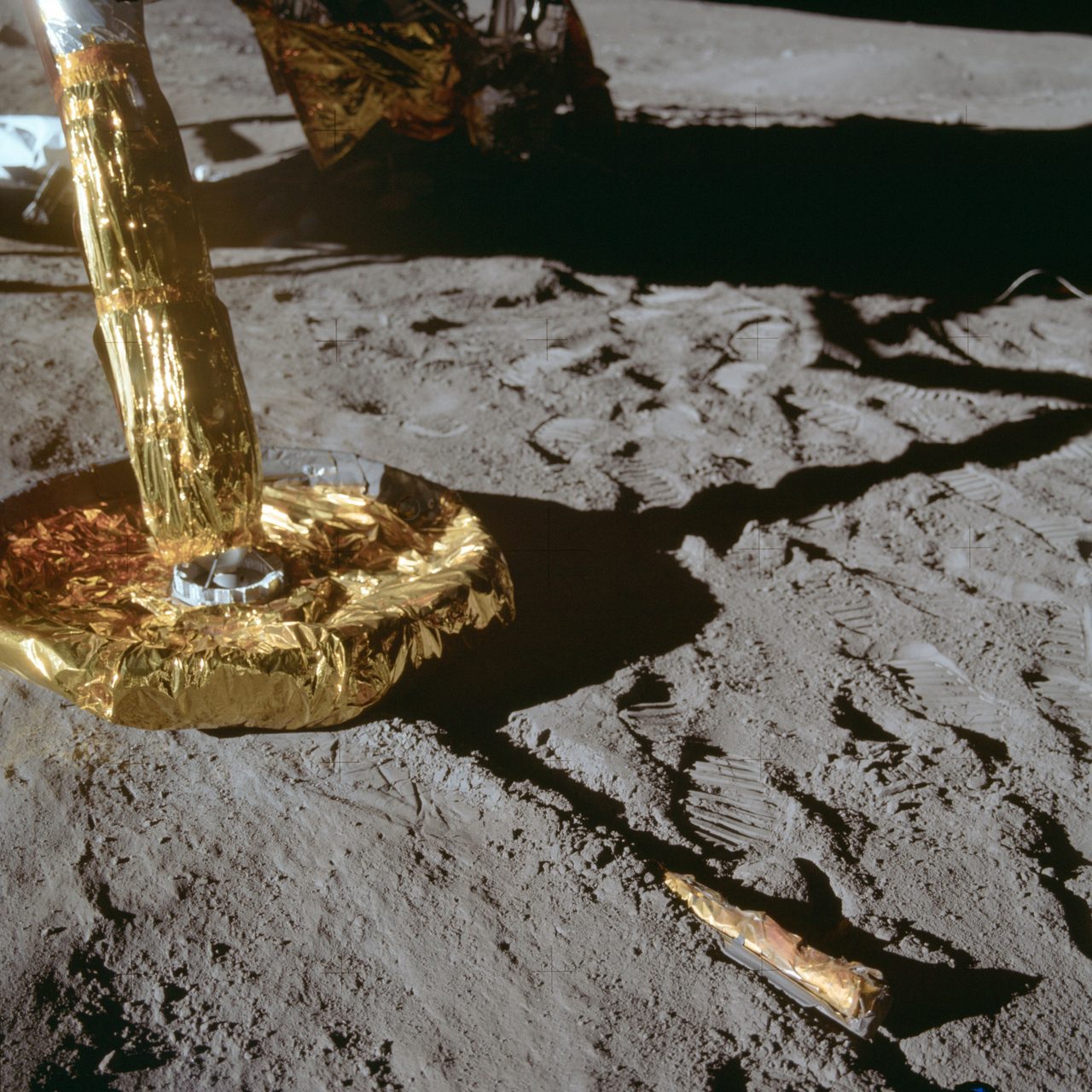
Recent research suggests that most of the Moon's water is likely chemically bound within its deep interior, rather than existing as surface ice or in lunar soil. This finding challenges previous assumptions about the accessibility of lunar water for future missions. The implications for lunar exploration are significant, as it may affect plans for in-situ resource utilisation. Further insights can be explored in our Moon Globe section.
What to Watch
SpaceX is preparing for the 13th test flight of its Starship vehicle later this week. This test is part of an ongoing series aimed at validating the spacecraft's capabilities for future missions to the Moon and Mars. The specific launch date and time have yet to be confirmed, but updates will be available on our Launch Schedule. Additionally, a close approach between TIANHUI 5A and TIANHUI 5B is being monitored, with a minimum distance of approximately 1.33 km.
Frequently Asked Questions
Why are Starlink satellites adjusting their orbits?
How is water stored on the Moon?
📎 Cite this article
Orbital Radar Newsroom. (2026). Starlink Satellites Adjust Orbits; Moon's Water Remains Deep. Orbital Radar. https://orbitalradar.com/blog/orbital-briefing-2026-07-14"Starlink Satellites Adjust Orbits; Moon's Water Remains Deep." Orbital Radar, 14 July 2026, https://orbitalradar.com/blog/orbital-briefing-2026-07-14.@misc{orbitalradar_orbital_briefing_2026_07_14,
title = {Starlink Satellites Adjust Orbits; Moon's Water Remains Deep},
author = {{Orbital Radar}},
year = {2026},
howpublished = {\url{https://orbitalradar.com/blog/orbital-briefing-2026-07-14}}
}