Gamma-Ray Bursts from Neutron Star Collapses Confirmed
Scientists confirm two gamma-ray bursts were caused by collapsing neutron stars, while SpaceX launches a SiriusXM satellite.
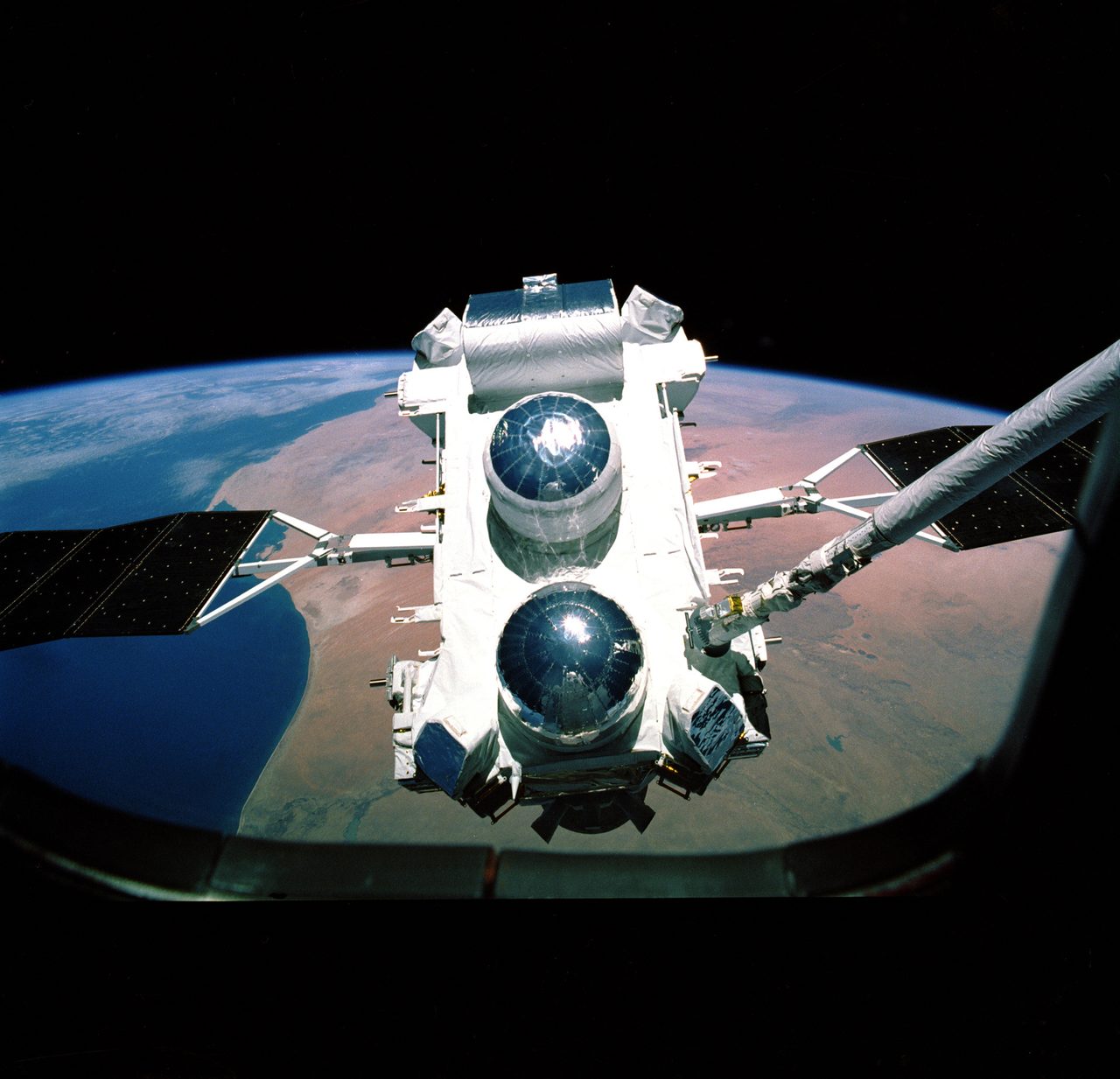
Recent research has confirmed that two gamma-ray bursts, previously observed, were caused by the collapse of neutron stars. This finding provides critical insights into the life cycles of massive stars and the extreme environments surrounding these cosmic events. Gamma-ray bursts are among the most energetic phenomena in the universe, often associated with the formation of black holes or neutron stars.
These observations were made possible through a combination of ground-based telescopes and space observatories, highlighting the importance of multi-wavelength astronomy in understanding such complex processes. The confirmation of these events as neutron star collapses adds to our understanding of stellar evolution and the distribution of elements in the universe.
SpaceX Expands SiriusXM Constellation
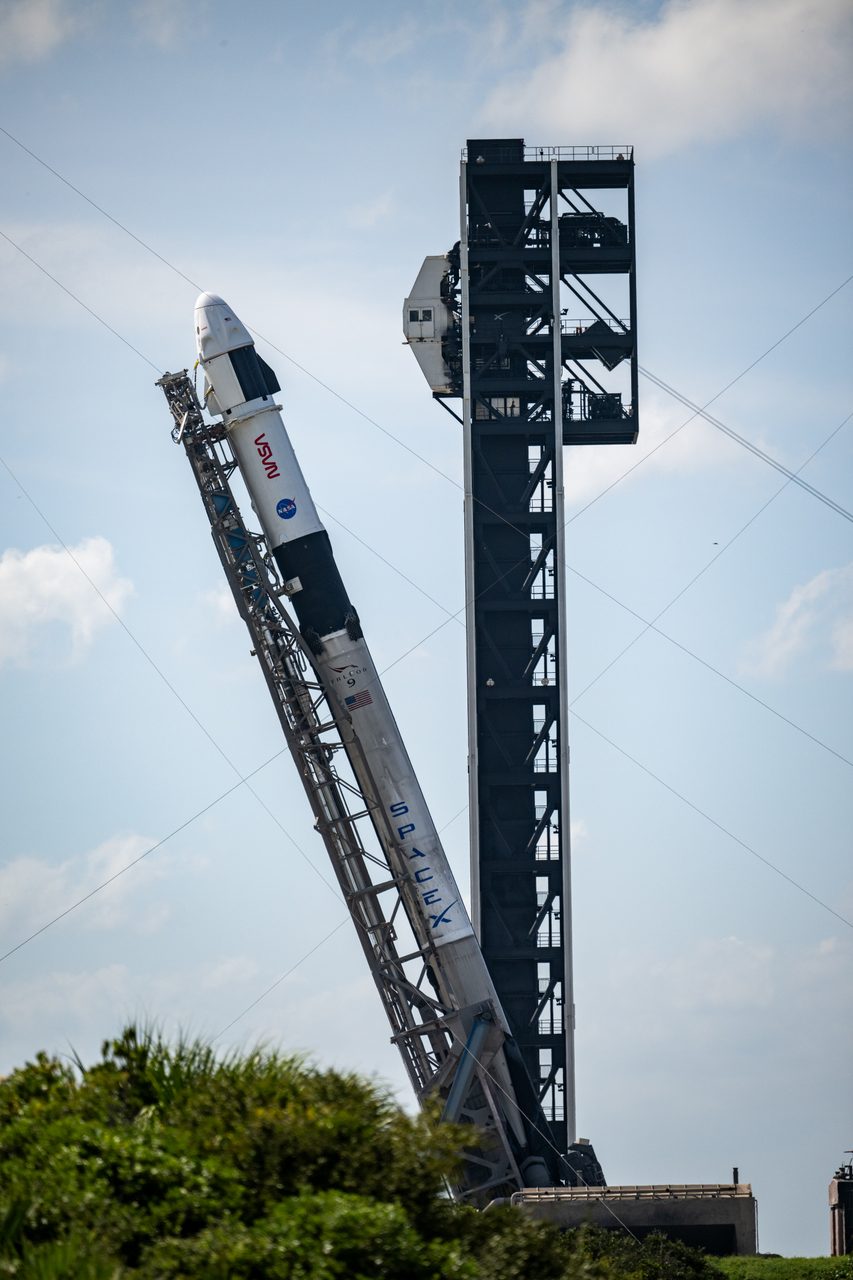
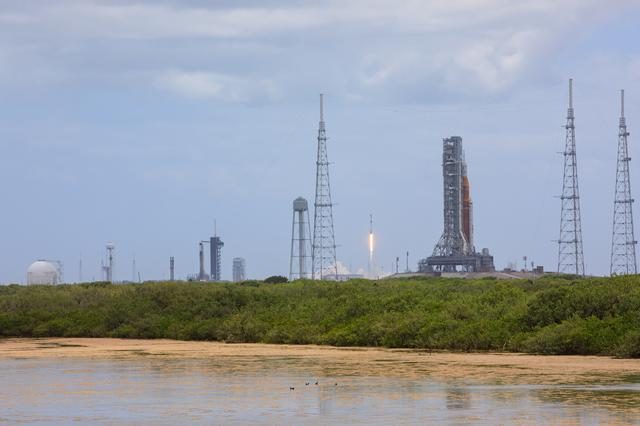
SpaceX successfully launched a 7.5-ton SiriusXM satellite as part of a constellation refresh, marking another milestone in the company's busy launch schedule. The satellite was launched aboard a Falcon 9 rocket, continuing SpaceX's streak of commercial satellite deployments.
This launch contributes to the ongoing expansion and modernisation of SiriusXM's satellite network, which provides satellite radio services across North America. The Falcon 9's first stage was recovered on a drone ship, part of SpaceX's recovery fleet, demonstrating the company's commitment to reusability and cost efficiency in space operations.
Close Approaches in Orbit
Several close approaches between satellites have been recorded, with the closest being between OBJECT A and OBJECT D, at a minimum distance of approximately 0.69 km. These events underscore the growing complexity of satellite management in increasingly crowded orbits.
Orbital Radar's Debris Map provides real-time tracking of such close encounters, offering valuable data for collision avoidance strategies. As the number of active satellites continues to rise, effective monitoring and manoeuvre planning become ever more crucial to prevent potential collisions.
What to Watch
While no launches are scheduled for today, the space community remains attentive to the upcoming policy discussions outlined in SpacePolicyOnline's coverage for the week of June 28 to July 4, 2026. These discussions may influence future international collaborations and funding for space exploration initiatives.
For those interested in observing the night sky, Orbital Radar's Pass Predictor can help identify visible satellite passes, allowing enthusiasts to track the movement of satellites across the sky.
Frequently Asked Questions
What causes gamma-ray bursts?
How does SpaceX recover Falcon 9 rockets?
📎 Cite this article
Orbital Radar Newsroom. (2026). Gamma-Ray Bursts from Neutron Star Collapses Confirmed. Orbital Radar. https://orbitalradar.com/blog/orbital-briefing-2026-06-29"Gamma-Ray Bursts from Neutron Star Collapses Confirmed." Orbital Radar, 29 June 2026, https://orbitalradar.com/blog/orbital-briefing-2026-06-29.@misc{orbitalradar_orbital_briefing_2026_06_29,
title = {Gamma-Ray Bursts from Neutron Star Collapses Confirmed},
author = {{Orbital Radar}},
year = {2026},
howpublished = {\url{https://orbitalradar.com/blog/orbital-briefing-2026-06-29}}
}