Starlink Expansion and Exoplanet Discoveries Mark Space Developments
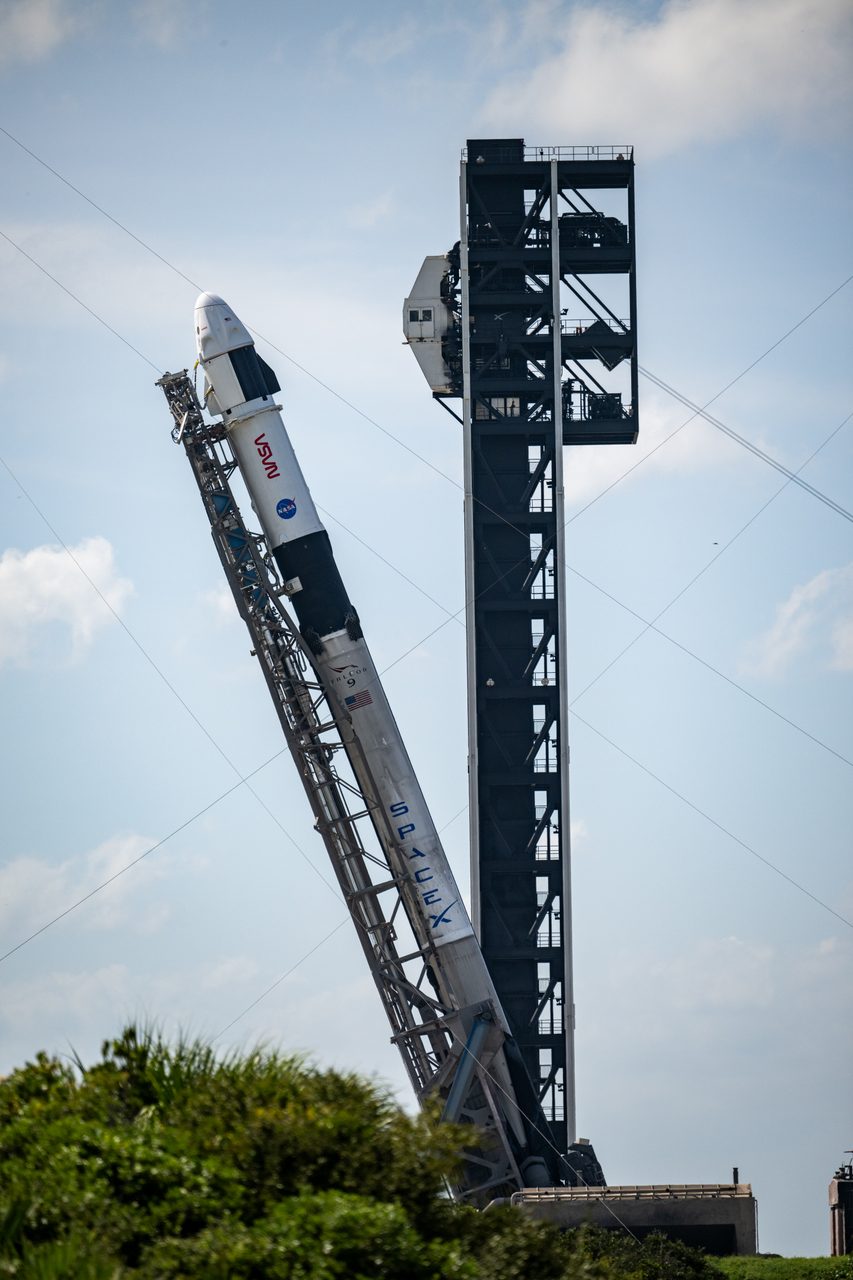
SpaceX expands Starlink with 24 new satellites. JWST observes a giant planet orbiting a dead star, offering insights into stellar evolution.
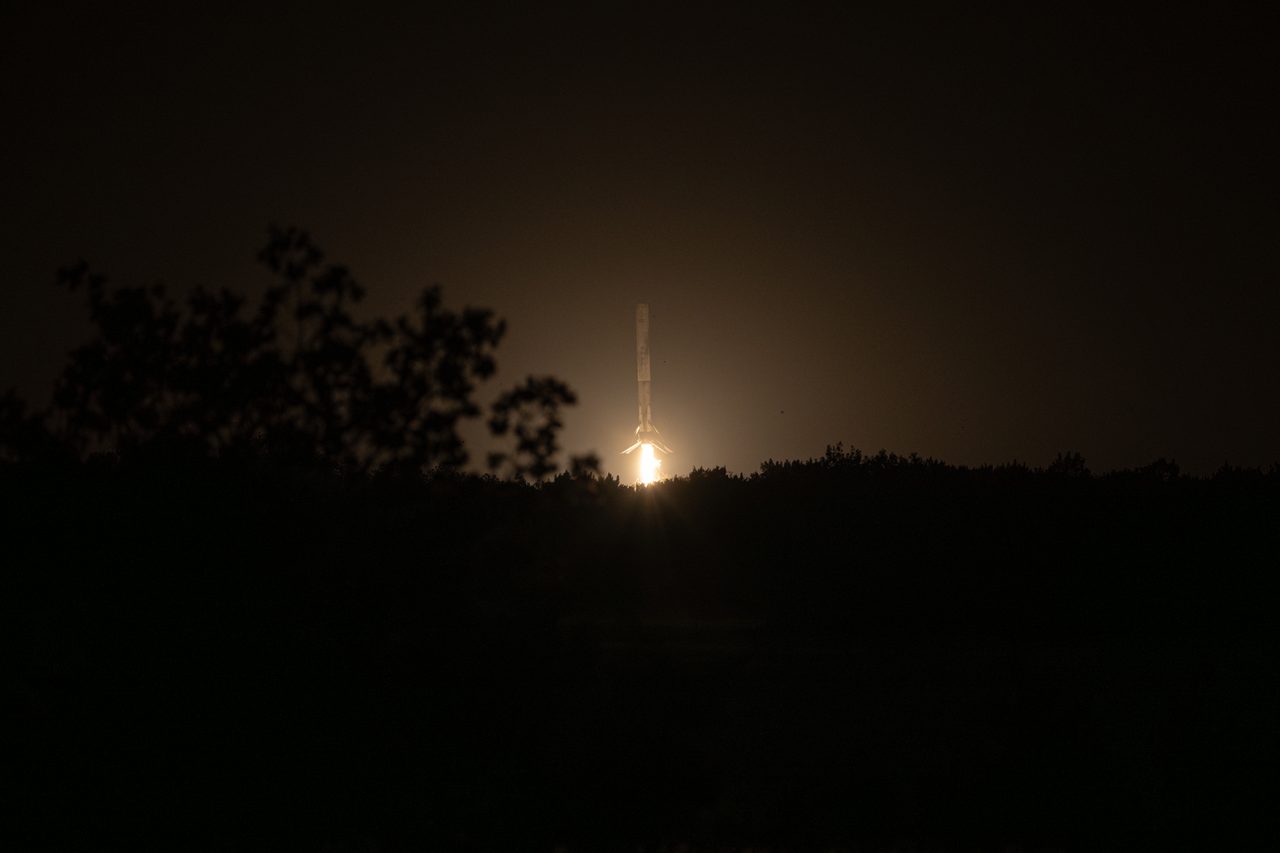
SpaceX has successfully launched 24 additional Starlink satellites aboard a Falcon 9 rocket from California, expanding its constellation to 10,709 satellites. This launch is part of SpaceX's ongoing efforts to provide global internet coverage. The Starlink Tracker provides real-time updates on the position and status of these satellites.
Exoplanet Discovery by James Webb
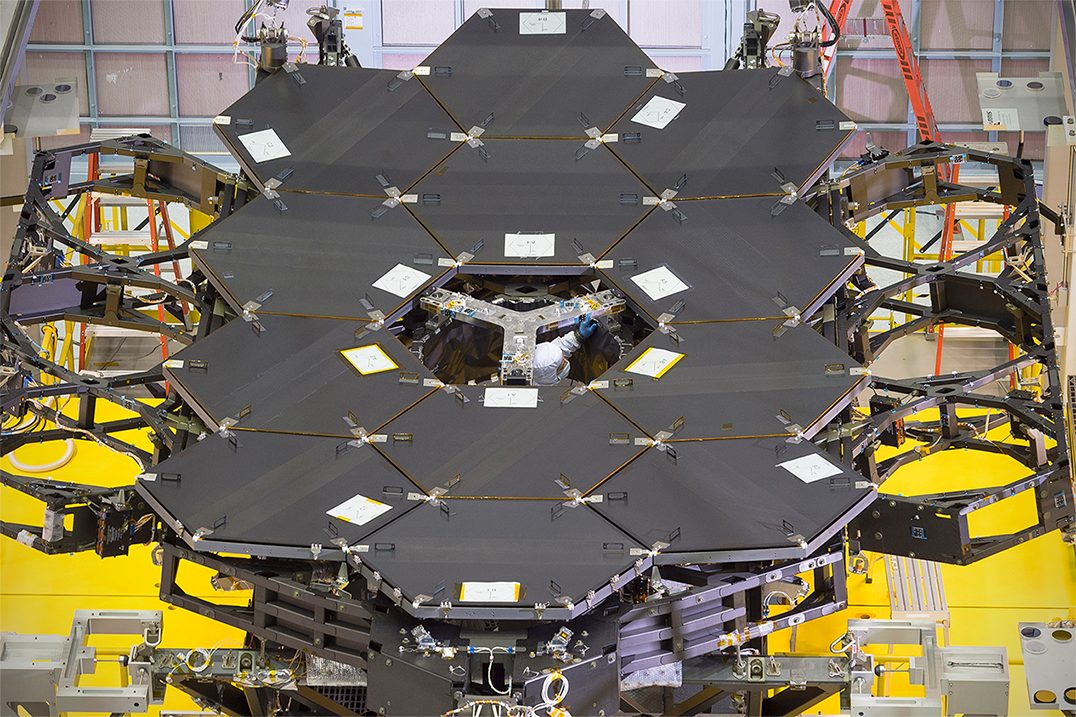
The James Webb Space Telescope (JWST) has identified a giant planet orbiting a dead star, providing a glimpse into the potential fate of our solar system. This discovery, detailed by NASA, shows how planets can survive the death of their host stars, challenging previous assumptions about planetary system evolution. For more on exoplanetary research, visit the Space Agencies directory.
Close Approaches in Orbit
Several close approaches between satellites have been tracked, with the closest being between OTTER PUP 2 and ELARA 1 at approximately 0.29 km. These events highlight the increasing congestion in low Earth orbit, which is monitored continuously on the Debris Map.
What to Watch
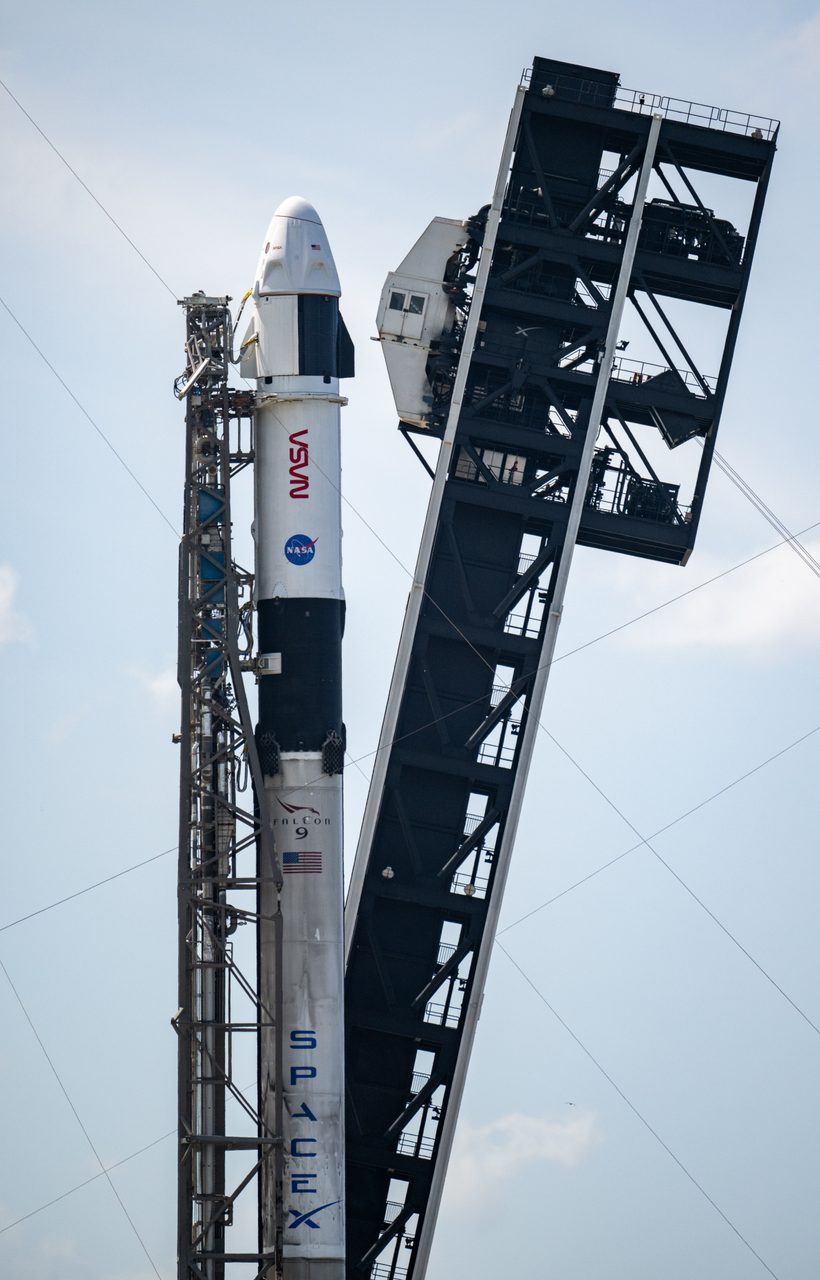
While no new launches are scheduled in the immediate future, space enthusiasts can look forward to SpaceX's upcoming 13th test flight of the Starship, which recently completed a successful engine test. Keep an eye on the Launch Schedule for updates on this and other missions.
Frequently Asked Questions
How many Starlink satellites are currently operational?
What did the James Webb Space Telescope discover recently?
Cite this article
Pick a style, then copy it or download it for your reference manager.Orbital Radar. (2026, July 3). Starlink Expansion and Exoplanet Discoveries Mark Space Developments. Retrieved November 16, 2026, from https://orbitalradar.com/blog/orbital-briefing-2026-07-03
“Starlink Expansion and Exoplanet Discoveries Mark Space Developments.” Orbital Radar, 3 July 2026, orbitalradar.com/blog/orbital-briefing-2026-07-03. Accessed 16 Nov. 2026.
Orbital Radar (2026) Starlink Expansion and Exoplanet Discoveries Mark Space Developments. Available at: https://orbitalradar.com/blog/orbital-briefing-2026-07-03 (Accessed: 16 November 2026).
Orbital Radar. “Starlink Expansion and Exoplanet Discoveries Mark Space Developments.” Last modified July 3, 2026. https://orbitalradar.com/blog/orbital-briefing-2026-07-03.
@misc{orbitalradar_blog_orbital_briefing_2026_07_03,
  author       = {{Orbital Radar}},
  title        = {Starlink Expansion and Exoplanet Discoveries Mark Space Developments},
  year         = {2026},
  month        = jul,
  howpublished = {\url{https://orbitalradar.com/blog/orbital-briefing-2026-07-03}},
  url          = {https://orbitalradar.com/blog/orbital-briefing-2026-07-03},
  urldate      = {2026-11-16},
  note         = {Accessed 2026-11-16}
}
TY - ELEC AU - Orbital Radar, TI - Starlink Expansion and Exoplanet Discoveries Mark Space Developments PY - 2026 DA - 2026/07/03 PB - Orbital Radar UR - https://orbitalradar.com/blog/orbital-briefing-2026-07-03 Y2 - 2026/11/16 LA - en ER -
Live figures change, so keep the date you accessed the page. How to cite Orbital Radar